Source: Fortune
Summary
Fortune reports that buy-now-pay-later (BNPL) financing, once used for discretionary purchases, is now being used to pay rent, signaling a collapse in the middle-class margin. The Federal Reserve raised interest rates, citing strong economic growth, but the report argues the data is incomplete. The top 20% of households account for 60% of consumer spending, while the middle-class wage-price margin has collapsed. Labor’s share of nonfarm business output fell to a record low, and household wealth rose, but gains were concentrated among the top 10%. The Fed’s rate hikes affect different households differently, with those at a financial disadvantage facing higher costs.
Our Reading
The numbers tell one story.
The Fed sees resilience. The data shows a split.
The top 20% spend more. The middle class struggles.
Workers get less. The wealthy gain more.
The economy has two balance sheets. One rate, two realities.
Author: Evan Null
BNPL Expansion and Economic Shifts
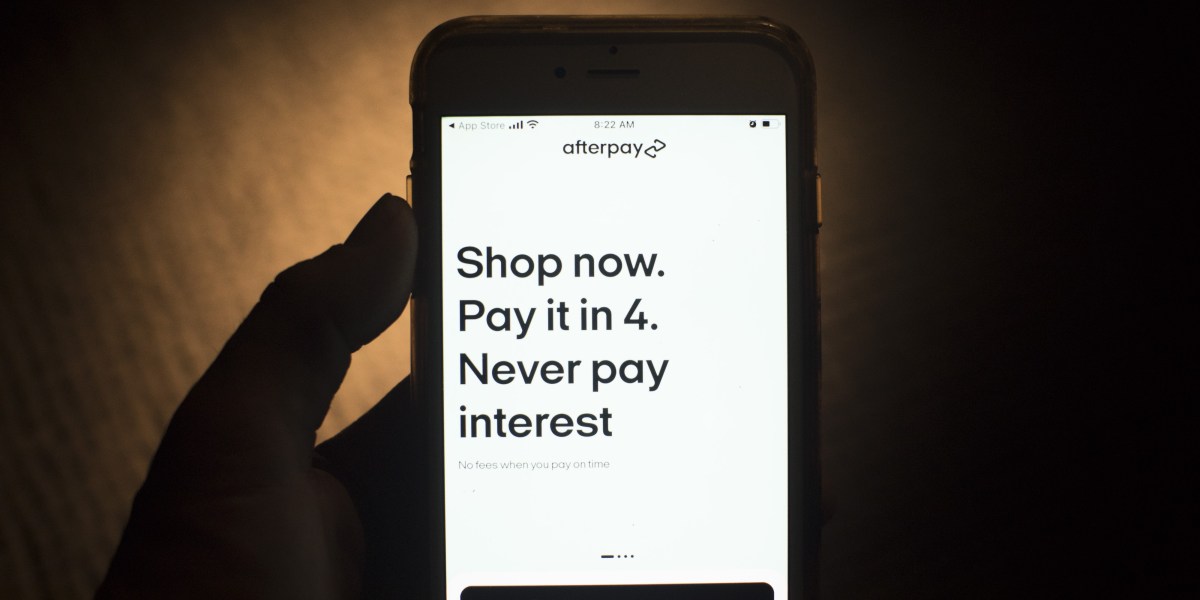
Buy-now-pay-later (BNPL) financing is expanding beyond discretionary purchases to include rent, indicating a broader shift in consumer behavior. This trend reflects a deepening economic divide, as middle-class households face financial strain and turn to installment financing to cover basic expenses. The Federal Reserve has raised interest rates, but the impact of these increases is not evenly distributed across the economy.
The Fed’s Economic Narrative
The Federal Reserve claims the economy is expanding at a solid pace, citing resilient domestic spending, strong productivity growth, and robust capital investment. However, the report argues that this view is incomplete. While aggregate data suggests economic strength, it fails to capture the growing imbalance between the top 20% of households and the rest of the population. The top 20% now account for 60% of consumer spending, while the middle-class margin has collapsed.
Income and Wealth Inequality
The labor share of nonfarm business output has fallen to a record low, indicating that workers are producing economic value but receiving a smaller share of its yield. Meanwhile, U.S. household wealth has increased significantly, but the gains are concentrated among the wealthiest households. The top 10% of households hold more than 87% of equities, meaning they benefit disproportionately from market gains. This growing inequality highlights the uneven distribution of economic gains.
Impact of Rate Hikes
Rate increases have different effects on different households. For those with financial assets, higher rates can mean better returns on cash and fixed income investments. However, for households operating at a negative margin, the same rate hikes increase borrowing costs, making it harder to cover basic expenses. The scale of installment financing, including BNPL, has grown significantly, with providers originating nearly $160 billion in credit last year. This trend underscores the growing financial strain on middle-class households.
Policy Implications
The report argues that the Fed’s monetary policy must address the growing divide between different segments of the economy. Raising rates to suppress demand may not be effective if the underlying productive capacity is not being fully utilized. Expanding the productive base through workforce participation and removing systemic friction could help restore the middle-class margin and reduce reliance on installment financing. The report calls for policies that unlock economic capacity rather than simply managing demand through interest rates.