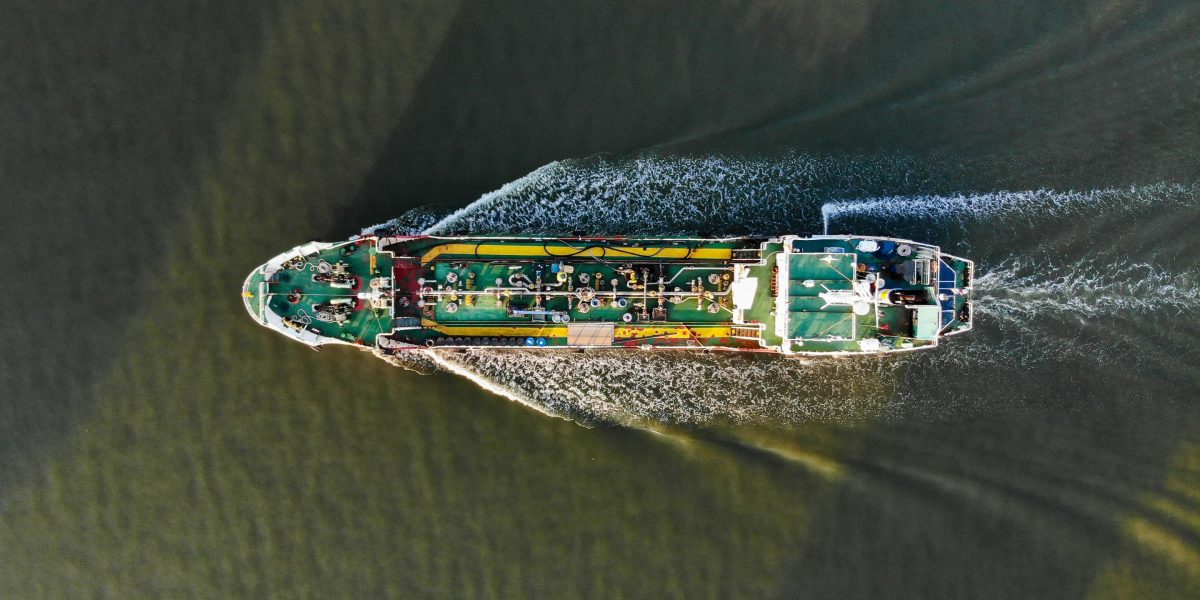
Source: Fortune
Summary
The Strait of Hormuz, a critical oil shipping route, has been effectively closed since the conflict between the US, Israel, and Iran began on February 28, 2026. Iran has threatened to destroy any ships that pass through the strait, and many law-abiding ships have been stranded in the Persian Gulf. However, some vessels, known as the “shadow fleet,” continue to operate outside the rules, ignoring international restrictions on trade and violating anti-pollution regulations. These ships often register under flags of convenience, carry opaque insurance, and switch off their transponders to avoid detection. The existence of the shadow fleet reveals the voluntary nature of the maritime system, which relies on market forces rather than enforcement mechanisms.
Our Reading
The numbers tell one story.
The Strait of Hormuz is closed, but the shadow fleet is still moving. Iran has threatened to destroy any ships that pass through the strait, but some vessels are still taking the risk. The maritime system is built on voluntary participation, and the shadow fleet is taking advantage of this. The existence of the shadow fleet reveals what kind of rules the maritime system always had. Ships are turning off their AIS to confuse tracking, and more companies may choose to follow the lead of Greek firm Dynacom in running the strait despite the risks. The shadow fleet is a signal that opting out of the rules may be a viable option.
Author: Evan Null