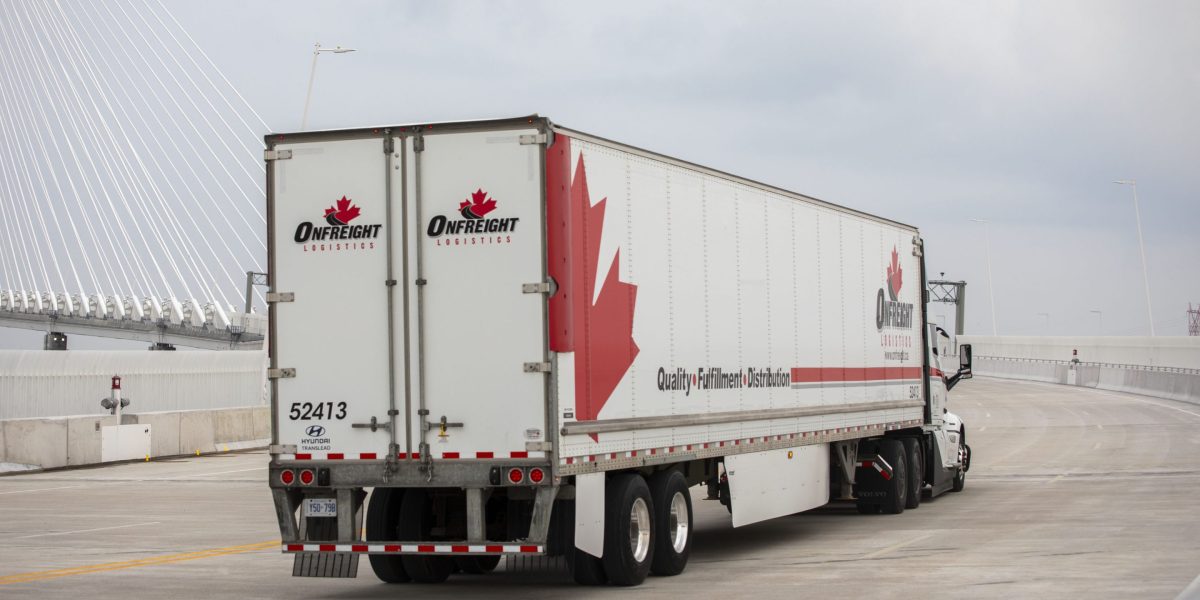
Source: Fortune
Summary
Trade talks between the U.S. and Canada collapsed over disagreements on reducing tariffs on Canadian medium- and heavy-duty vehicles. Both sides had reached an outline for a deal that would lower auto tariffs to 15% from 25%, but Canada sought additional relief for larger vehicles. The U.S. rejected the request, leading to the breakdown. Canada then imposed $20 billion in counter-tariffs on U.S. goods, effective Sept. 8. Canadian officials and industry leaders accused the U.S. of trying to undermine auto manufacturing in Canada.
Our Reading
The numbers tell one story.
U.S. and Canadian officials failed to agree on truck tariffs.
Canada wanted relief for large vehicles, U.S. refused.
Both sides imposed new tariffs on each other.
The breakdown highlights the fragility of trade negotiations over sectoral interests.
Author: Evan Null
Trade Talks Collapse Over Tariff Dispute
Trade talks between the U.S. and Canada collapsed on Friday, with both sides blaming each other for the breakdown. The disagreement centered on the treatment of medium- and heavy-duty vehicles, which Canada wanted included in tariff relief. The U.S. reportedly refused, leading to the collapse of an agreement that had been close to finalization.
The deal would have reduced U.S. auto tariffs from 25% to 15%, but Canada sought additional relief for larger vehicles, including Ford’s F-350s. The U.S. considered this an extra demand, not part of the original agreement, and rejected it.
Canadian Prime Minister Mark Carney criticized the U.S. stance, saying it would exclude Ford’s Ontario plant from the benefits of the deal. He called the refusal a “big change” and suggested it was an attempt to weaken Canadian auto manufacturing.
Industry leaders in Canada, including Flavio Volpe of the Automotive Parts Manufacturers’ Association, accused the U.S. of trying to divide the industry. They claimed the U.S. removed super-duty trucks from the list of products eligible for tariff reductions at the last minute.
As a result, the U.S. imposed new 50% tariffs on $20 billion in Canadian goods. Canada responded with its own counter-tariffs, effective Sept. 8, mirroring the Trump-era levies.
Industry Concerns and Political Tensions
Canadian labor leaders, including Lana Payne of Unifor, expressed concerns that accepting a limited tariff carveout would set a precedent for future negotiations. They feared it would erode Canada’s ability to maintain a competitive auto sector.
Unifor had previously urged the Canadian government to exempt auto parts compliant with the existing North American trade deal from tariffs. The union argued that without such protections, Canadian manufacturers would be at a disadvantage.
Despite the collapse, both sides remained firm in their positions. Canada’s government declined to comment, while the U.S. White House and Trade Representative’s office did not respond to requests for comment.
The breakdown underscores the deepening tensions between the two countries over trade policy and the challenges of reaching consensus on complex issues like vehicle tariffs.
With both nations now imposing new tariffs, the dispute could have broader implications for cross-border trade and manufacturing in North America.
Impact on Auto Manufacturing
The dispute over truck tariffs has direct implications for auto manufacturing in both countries. Ford’s new plant in Ontario, which produces F-350s and larger trucks, was at risk of being excluded from tariff relief. This raised concerns about the long-term viability of Canadian manufacturing in the sector.
Canadian officials argued that excluding large vehicles from tariff reductions would undermine the competitiveness of Canadian auto production. They warned that without relief, manufacturers would face higher costs and reduced demand.
The U.S. position, however, was that the request for additional relief was outside the scope of the original agreement. This led to a breakdown in negotiations and the imposition of new tariffs by both sides.
Industry leaders in Canada suggested that the U.S. may have had ulterior motives, such as weakening Canadian auto manufacturing to benefit U.S. interests. These accusations added to the growing tension between the two nations.
As the dispute continues, the auto sector remains a key battleground in the broader trade war between the U.S. and Canada.
Broader Trade Implications
The collapse of trade talks has broader implications for the North American trade relationship. The dispute over truck tariffs has highlighted the difficulty of reaching consensus on sector-specific issues, even when both sides have a shared interest in a broader agreement.
With both countries now imposing new tariffs, the risk of a prolonged trade conflict increases. This could lead to higher costs for consumers and businesses, as well as uncertainty for manufacturers relying on cross-border supply chains.
Canadian officials have signaled that they are prepared to take further action if the U.S. does not revise its stance. The imposition of counter-tariffs by Canada is a clear signal that the dispute is far from over.
The U.S. has not yet indicated whether it will reconsider its position, but the ongoing tensions suggest that the trade relationship between the two countries remains fragile.
As the situation unfolds, the impact on trade, manufacturing, and economic relations between the U.S. and Canada will be closely watched by policymakers and industry leaders alike.
Political and Economic Repercussions
The collapse of trade talks has significant political and economic repercussions for both the U.S. and Canada. For Canada, the imposition of counter-tariffs is a strong response to what it perceives as unfair treatment by the U.S. The move is likely to be seen as a defense of Canadian interests, particularly in the auto sector.
In the U.S., the decision to reject Canada’s request for tariff relief on large vehicles has drawn criticism from some industry leaders and lawmakers. They argue that the stance could harm American manufacturers who rely on Canadian supply chains and exports.
The dispute has also raised questions about the effectiveness of the current trade framework. With both sides unwilling to compromise, the risk of a deeper trade conflict increases, potentially affecting other sectors beyond autos.
As the situation develops, the focus will be on whether either side is willing to revisit the negotiations. For now, the breakdown in talks has left both countries in a state of heightened tension and uncertainty.
The outcome of this dispute could set a precedent for future trade negotiations, influencing how both nations approach similar issues in the future.