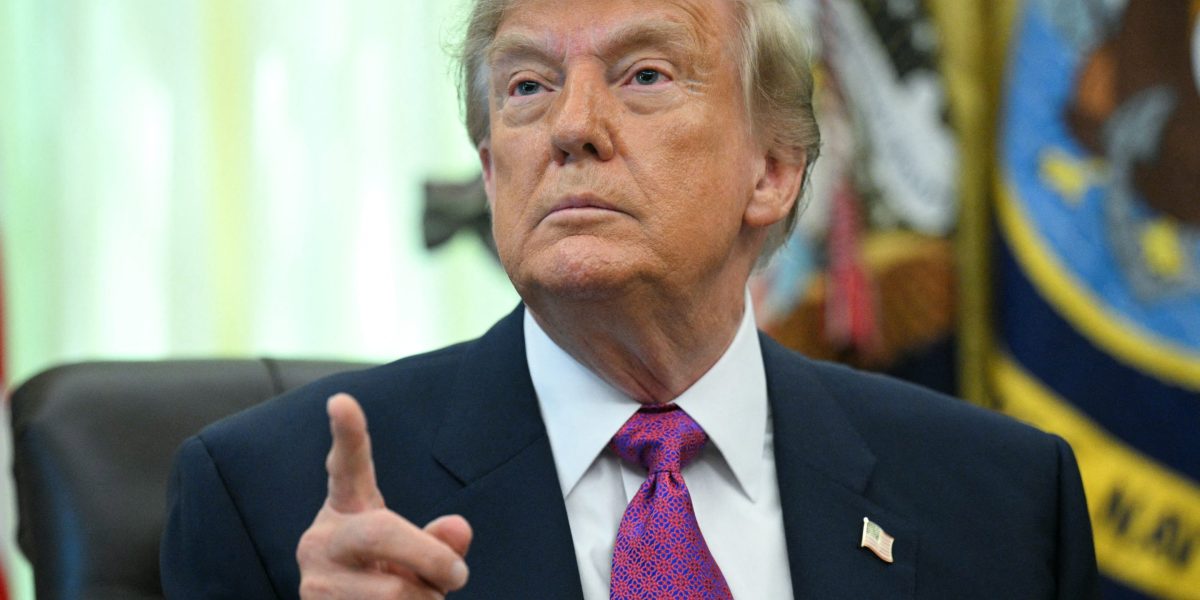
Source: Fortune
Summary
The Trump administration is proposing a rule that would strip private schools and colleges of their tax-exempt status if they offer race-based support to students. The rule, set to take effect in 2027, targets admissions, scholarships, and facilities that provide benefits based on race. It is part of an effort to eliminate diversity, equity, and inclusion (DEI) programs. Higher education leaders have criticized the proposal, calling it an attack on access for minority students. The Treasury Department estimates up to 18,000 institutions could be affected.
Our Reading
The numbers tell one story.
Trump officials push to end race-based support in education.
Colleges face potential loss of tax-exempt status.
DEI offices are shuttered or rebranded under pressure.
Historical precedent shows tax-exempt status can be revoked for discriminatory policies.
Author: Evan Null
Trump’s New Rule on Tax-Exempt Status
The Trump administration is proposing a rule that would strip private schools and colleges of their tax-exempt status if they provide targeted help to students based on their race. This is part of a broader effort to eliminate diversity, equity, and inclusion (DEI) programs. The rule, if finalized, would take effect in 2027 and could affect up to 18,000 institutions.
Higher education leaders have criticized the proposal, calling it an attack on access for minority students. The Treasury Department says race-based benefits in admissions, scholarships, and facilities would be incompatible with tax-exempt status. The move is seen as an escalation in the White House’s campaign to eradicate DEI programs.
The administration claims the rule is about restoring merit in education. However, critics argue it would limit opportunities for working-class Americans and people of color. The proposal has sparked concerns about the impact on donations and financial aid programs.
There is a historical precedent for revoking tax-exempt status. In the 1970s, Bob Jones University lost its status over a ban on interracial dating. The Supreme Court upheld the decision. The IRS states that schools promoting discriminatory practices will no longer be exempt from taxes.
The Justice Department has also opened investigations into medical schools accused of favoring Black and Hispanic students in admissions. The proposed rule is part of a broader strategy to challenge race-based policies in education, with potential legal and financial consequences for institutions that do not comply.
Impact on Higher Education
The proposed rule could have a significant impact on private colleges and universities. Many rely on tax-exempt status to save millions of dollars annually. If the rule is implemented, schools may need to restructure their admissions and scholarship policies to avoid losing this benefit.
Colleges have already begun to shut down or rebrand their DEI offices in response to pressure from the Trump administration. The Treasury Department suggests that even policies rebranded as “equitable” or “inclusive” could be targeted. This creates uncertainty for institutions that are already navigating existing nondiscrimination rules.
Higher education leaders warn that the rule could lead to cuts in financial aid and research funding. The Council of Independent Colleges has expressed concerns about the impact on donations, which are often earmarked for scholarships. The uncertainty surrounding the proposal may also create compliance challenges for schools.
Despite the criticism, the Trump administration continues to push the rule as a way to restore merit in education. Officials argue that race-based preferences are discriminatory and violate civil rights laws. The proposed changes are part of a broader effort to roll back policies that support diversity in higher education.
The rule has sparked debate over the role of race in admissions and scholarships. While some argue that race-based support is necessary to address historical inequities, others believe it undermines merit and fairness. The outcome of this proposal could have lasting effects on the landscape of American higher education.
Historical Precedent and Legal Challenges
The proposed rule is not without precedent. In the 1970s, Bob Jones University lost its tax-exempt status over a ban on interracial dating. The Supreme Court upheld the IRS’s decision, and the school eventually regained its status after ending the policy. This case shows that the federal government can revoke tax-exempt status for discriminatory practices.
However, the IRS is legally prohibited from targeting organizations for ideological reasons. Federal officials are not allowed to direct IRS investigations, and the agency must follow strict guidelines to maintain compliance. The new rule raises questions about how these guidelines will be applied in practice.
The Trump administration claims the rule is about restoring fairness in education. However, critics argue it is an attempt to undermine diversity and limit opportunities for minority students. The proposed changes could lead to legal challenges, as institutions may argue that the rule violates existing civil rights laws.
The Justice Department has already opened investigations into medical schools accused of favoring Black and Hispanic students in admissions. These cases are based on the argument that race-based preferences violate Title IV of the Civil Rights Act of 1964. The outcome of these investigations could influence how the new rule is implemented.
The legal and financial implications of the rule are still unclear. While the administration is pushing for its implementation, the response from the higher education sector remains mixed. Some institutions may comply with the new guidelines, while others may challenge them in court.
Reactions from Education Leaders
Higher education leaders have strongly criticized the proposed rule, calling it an attack on access for minority students. Mike Gavin, president and CEO of the Alliance for Higher Education, said the administration’s changes are the “most blatant attack” on working-class Americans and people of color. He accused the administration of trying to “gaslight the American people” by claiming diversity efforts are discriminatory.
Marjorie Hass, president of the Council of Independent Colleges, warned that the rule could impact donations, which are often used for scholarships. She said the uncertainty surrounding the proposal would create challenges for schools already operating under existing nondiscrimination rules. Tim Powers, a vice president of the National Association of Independent Colleges and Universities, echoed these concerns, saying the rule may create new compliance burdens.
The proposed rule has also raised concerns about the future of DEI programs. Many institutions have already shut down or rebranded their DEI offices under pressure from the administration. The Treasury Department has suggested that even policies rebranded as “equitable” or “inclusive” could be targeted. This has led to fears that the rule could have a broader impact on diversity initiatives.
Despite the criticism, the administration continues to push the rule as a way to restore merit in education. Officials argue that race-based preferences are discriminatory and violate civil rights laws. However, opponents say the rule is an attempt to roll back progress and limit opportunities for underrepresented groups.
The debate over the rule highlights the growing tension between efforts to promote diversity and the push to eliminate race-based policies. As the proposal moves forward, the higher education sector will be closely watching for any changes in the final rule and its implementation.
Broader Implications for Education and Society
The proposed rule has broader implications for education and society. It reflects a growing divide over the role of race in admissions and scholarships. While some argue that race-based support is necessary to address historical inequities, others believe it undermines merit and fairness. The outcome of this proposal could shape the future of diversity initiatives in higher education.
The rule also raises questions about the balance between civil rights and educational equity. The Trump administration argues that race-based preferences violate Title IV of the Civil Rights Act of 1964, which was designed to combat segregation. However, opponents say the rule is an attempt to erase the impact of systemic discrimination and limit opportunities for minority students.
The proposed changes could also affect the way colleges and universities operate. Schools may need to restructure their admissions and scholarship policies to avoid losing tax-exempt status. This could lead to a shift in how institutions approach diversity and inclusion, with potential consequences for student demographics and campus culture.
As the rule moves forward, the higher education sector will be closely watching for any changes in the final version. The outcome of this proposal could have lasting effects on the landscape of American higher education, shaping the way institutions support students and promote equity.
The debate over the rule highlights the ongoing tension between efforts to promote diversity and the push to eliminate race-based policies. As the proposal moves forward, the higher education sector will be closely watching for any changes in the final rule and its implementation.