Source: Fortune
Summary
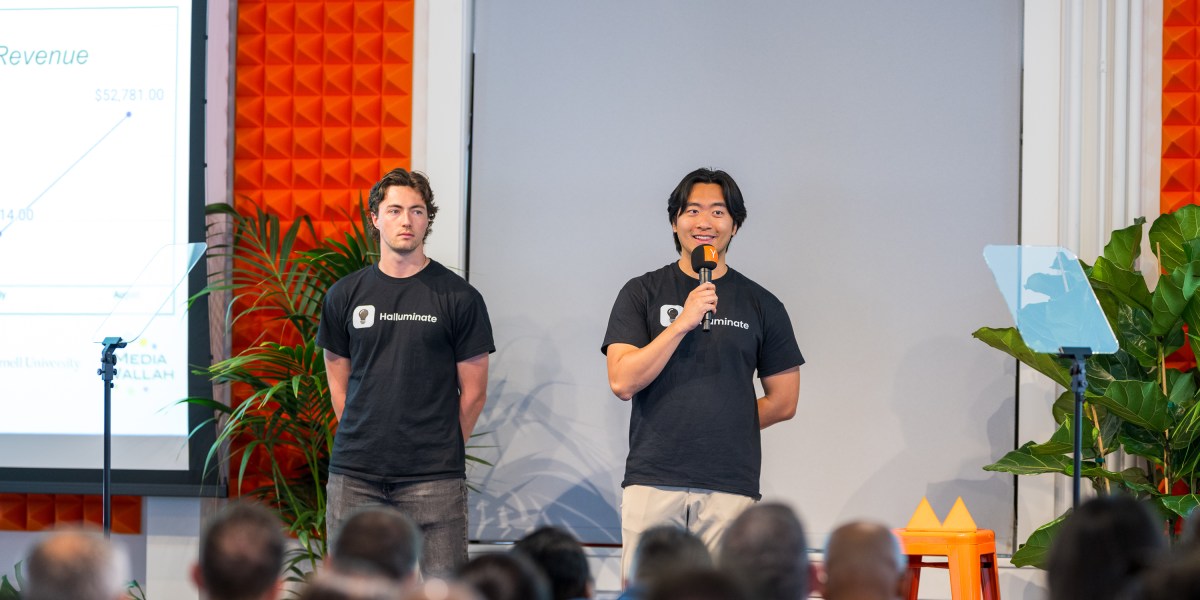
A self-driving trucking company, PlusAI, reported the theft of two trailers from its California warehouse, including one with Nvidia branding. The trailers contained 40,000 pounds of sand used for testing, not AI chips. Police recovered the trailers after a tip, and thieves reportedly left them after finding nothing of value. PlusAI said this was its first such incident. Overhaul, a supply chain risk firm, reported over $150 million in AI equipment losses since 2024, with AI-related theft rising 34% in that time.
Our Reading
The numbers tell one story.
PlusAI lost 40,000 pounds of sand, not chips.
Thieves broke in, found nothing, left.
Nvidia branding confused them.
Cargo theft is now a big business.
AI-related theft is up 34% since 2024.
Overhaul tracks $150 million in losses.
Criminals target high-value tech.
Supply chains are vulnerable.
Tech companies scramble for solutions.
Theft now includes data center gear and chips.
Criminals act like corporations.
They exploit weak points in logistics.
Smuggling is a growing problem.
AI is both target and tool.
Fortune reports on a first-time theft.
Sand, not chips, was the loot.
Thieves had no idea what they were after.
Truckers face new risks.
No standard solution yet.
Overhaul uses AI to track cargo.
They have 30 billion data points.
250 million added monthly.
It’s an arms race.
Technology must evolve.
Author: Evan Null
The rise of AI-related cargo theft
While a first for PlusAI, cargo theft targeting AI companies has been on the rise. In June, investigators with the Cook County Sheriff’s Office in Illinois recovered two trailers outside of Chicago, including one containing $300,000 in copper wires stolen from Alabama and $1 million in data center equipment reported stolen in Florida. In December 2024, thieves took more than $7 million worth of Nvidia computer chips from a California warehouse, just one day before it was scheduled to deliver its products to a Supermicro facility in San Jose.
Supply chain risk management firm Overhaul has already tracked more than $150 million in AI equipment cargo losses since it began tracking the data, and AI-related theft, including data center equipment and chips, has increased 34% since 2024. The total value of goods stolen has increased by more than 110% in the same time period.
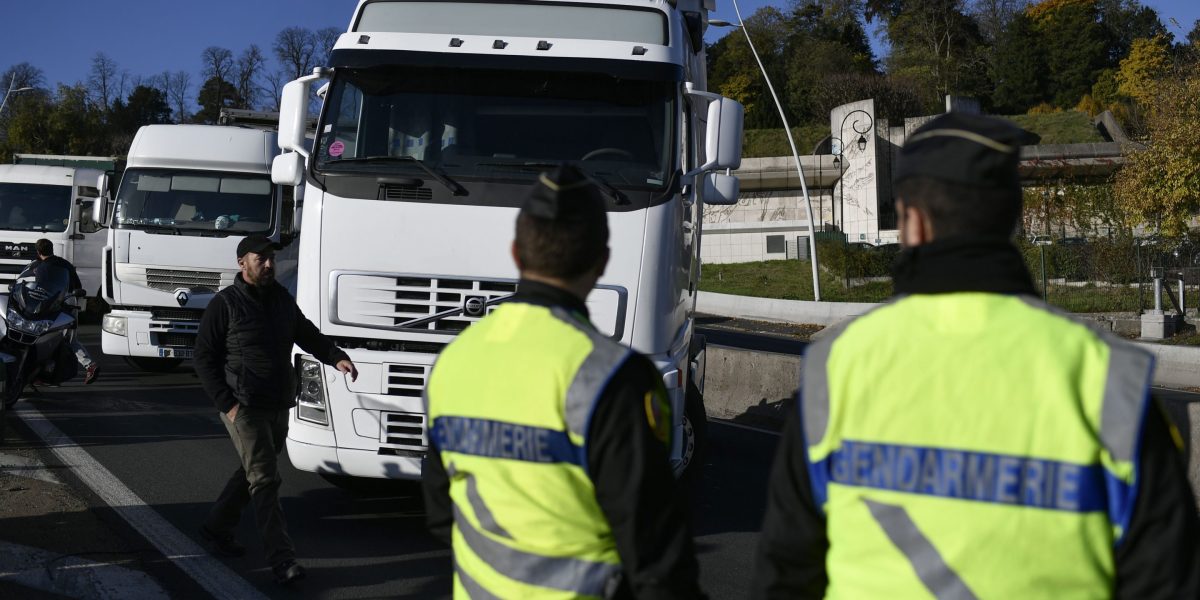
Cargo theft has existed for centuries, but with worldwide AI spending projected to reach $2.7 trillion this year by some estimates, thieves have found a new target: hijacking AI-related cargo to resell on the black market, taking advantage of the steep demand for memory chips and infrastructure buildout, according to Overhaul Executive Vice President David Warrick. The result? Supply chain chaos for tech and freight companies, and a big payday for thieves.
“The economics have become just crazy from the criminal opportunistic perspective,” Warrick told Fortune earlier this year. “As the world pours a trillion dollars in there, and everybody’s spending a lot of money, the criminals are saying, ‘What a great opportunity; you need to be part of this.’ That’s the way it works.”
Combating cargo theft
The sheer scale of these heists—targeting hundreds of thousands of dollars in equipment from commercial trailers—points not to petty theft, but organized criminals. As the Trump administration takes action to ban exports of domestic AI technology, organized criminals see an opportunity to smuggle these products into sanctioned countries like China and Russia and sell them on the black market. By the end of 2025, smuggling was responsible for between 290,000 and 1.6 million Nvidia H100-equivalent chips, making up about one-third of China’s total compute stock, according to research institute Epoch AI, though it did not attribute these smuggling chips to cargo theft.
“When we say organized crime, we actually mean organized crime,” Warrick said. “These are international syndicates. They run like big corporations…They have penetrated the supply chains at all levels, in terms of drivers, in terms of warehouse operators. They know where all the high value goods are, they know who transacts them, and they look for the weak points in the supply chain to be able to exploit those.”
Freight companies are trying to combat this growing problem. While PlusAI is a software developer working on self-driving technologies, Kwan said cargo theft has been a persistent problem for the truck industry, which is in search of solutions to better track trailers and cargo statuses.
“But there’s no standard industry-wide solution just yet,” she said.
Overhaul has leaned on AI to certify driver’s licenses, as theft can often take the shape of “ghost carriers” who pose as legitimate freighters, but who are actually smugglers. The company has more than 30 billion data points, with 250 million added monthly, to track cargo using AI.
“We’re having to evolve not only with technology,” Warrick said, “but because we understand that this is an arms race.”