Source: Fortune.com
Summary
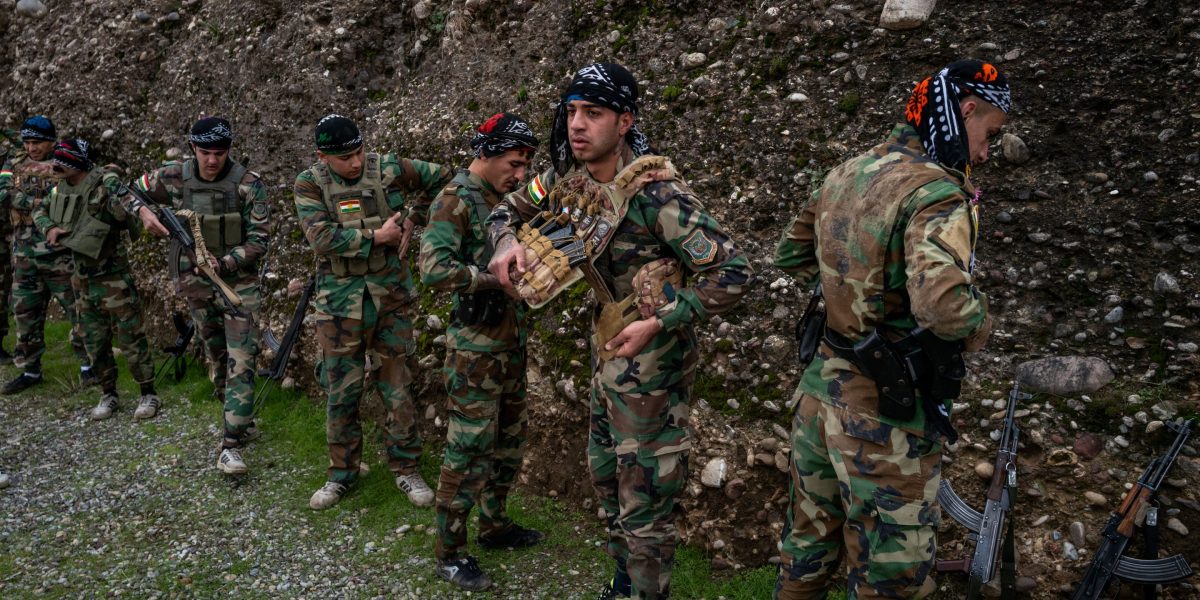
President Trump has told Kurdish forces not to enter the conflict with Iran, despite their willingness to do so. Trump stated that he doesn’t want to make the war more complex. Israel has been working to enable Kurdish forces to take up positions in Iran’s northwest, aiming to encourage armed Kurds to rise up against Tehran. Airstrikes have targeted Iranian military and law enforcement in the largely Kurdish region next to northern Iraq.
Our Reading
The announcement sounds familiar.
Trump’s statement comes as the US and Israel continue launching strikes against Iran. The Kurds have been a key ally in the region, but their involvement in the conflict could have wider repercussions. Iraqi Kurd leaders are reticent to commit, and some Kurdish factions are preparing for potential cross-border operations into Iran. Trump’s decision may be a attempt to maintain control over the conflict.
The numbers tell one story: the US and Israel are escalating their actions against Iran, while the Kurds are caught in the middle.
Author: Evan Null
Trump’s Kurdish Dilemma
The US president’s decision to keep the Kurds out of the conflict with Iran highlights the complexities of the region.
Kurdish Forces on Hold
Trump’s statement has put a hold on Kurdish plans to enter the conflict, despite their willingness to do so.
Regional Implications
The involvement of Kurdish forces in the conflict could have wider repercussions, including destabilizing the region and threatening the territorial integrity of neighboring states.
Israel’s Role
Israel’s military has been working to enable Kurdish forces to take up positions in Iran’s northwest, aiming to encourage armed Kurds to rise up against Tehran.
Airstrikes Continue
Airstrikes have targeted Iranian military and law enforcement in the largely Kurdish region next to northern Iraq, where US aerial protection in 1991 helped establish a semi-autonomous Iraqi Kurdish administration in Erbil.