Source: Fortune.com
Summary
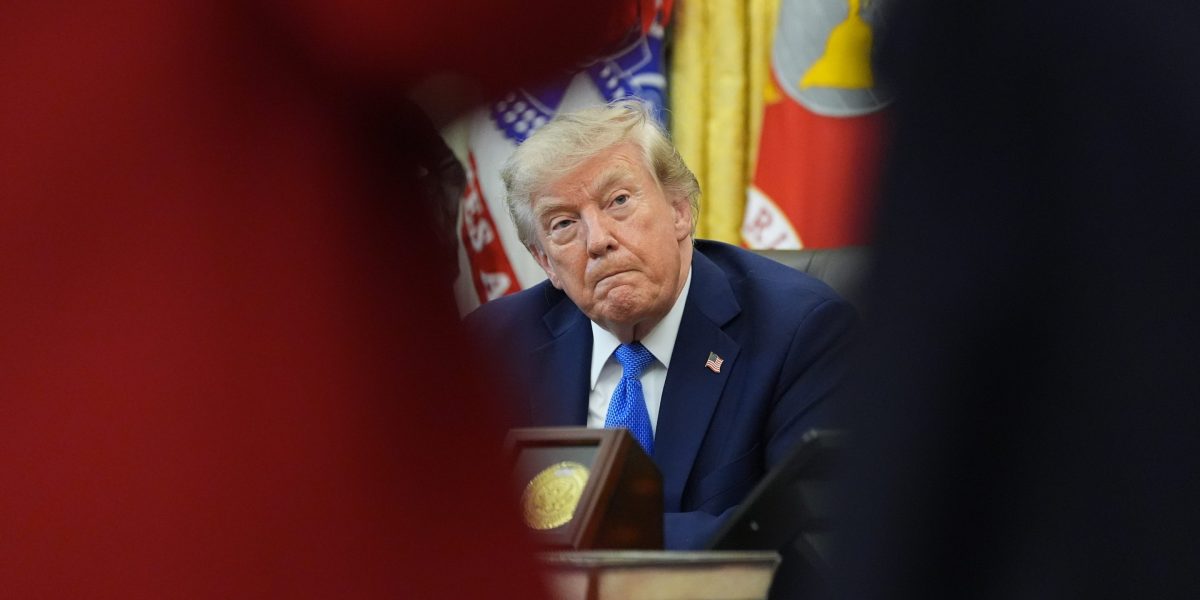
President Donald Trump’s $10 billion lawsuit against the BBC has been granted a temporary reprieve by a federal judge in Florida. The judge, Roy Altman, has put on hold an order that would have required Trump to disclose details of his business empire’s financial performance. Trump’s lawyers hope to avoid the need for financial disclosures by focusing on reputational harm. The BBC has apologized for editing a speech by Trump but rejects claims of defamation. A trial is provisionally set for February.
Our Reading
The numbers tell one story.
Trump’s lawsuit against the BBC is just one of many actions he has taken against media coverage that displeases him. The case is seen as a way for Trump to silence critics and avoid financial disclosures. The BBC has apologized for editing a speech by Trump but rejects claims of defamation. Trump’s lawyers hope to avoid the need for financial disclosures by focusing on reputational harm. The case is set to go to trial in February.
Seth Stern, advocacy director at the Freedom of the Press Foundation, notes that Trump has a history of filing lawsuits and then dropping them before they get to discovery. Stern thinks the BBC would be correct in arguing that financial data would still be relevant in the case.
The announcement sounds familiar. Trump’s legal team is trying to avoid financial disclosures, but the BBC is pushing back. The case is set to go to trial in February, and it will be interesting to see how it plays out. One thing is certain: Trump will continue to press lawsuits against media organizations that criticize him.
The strategy enters a familiar phase. Trump’s lawyers are trying to narrow the claim to focus on reputational harm, but the BBC is not backing down. The case is a classic example of Trump’s use of lawsuits to silence critics and avoid accountability.