Source: Fox News
Summary
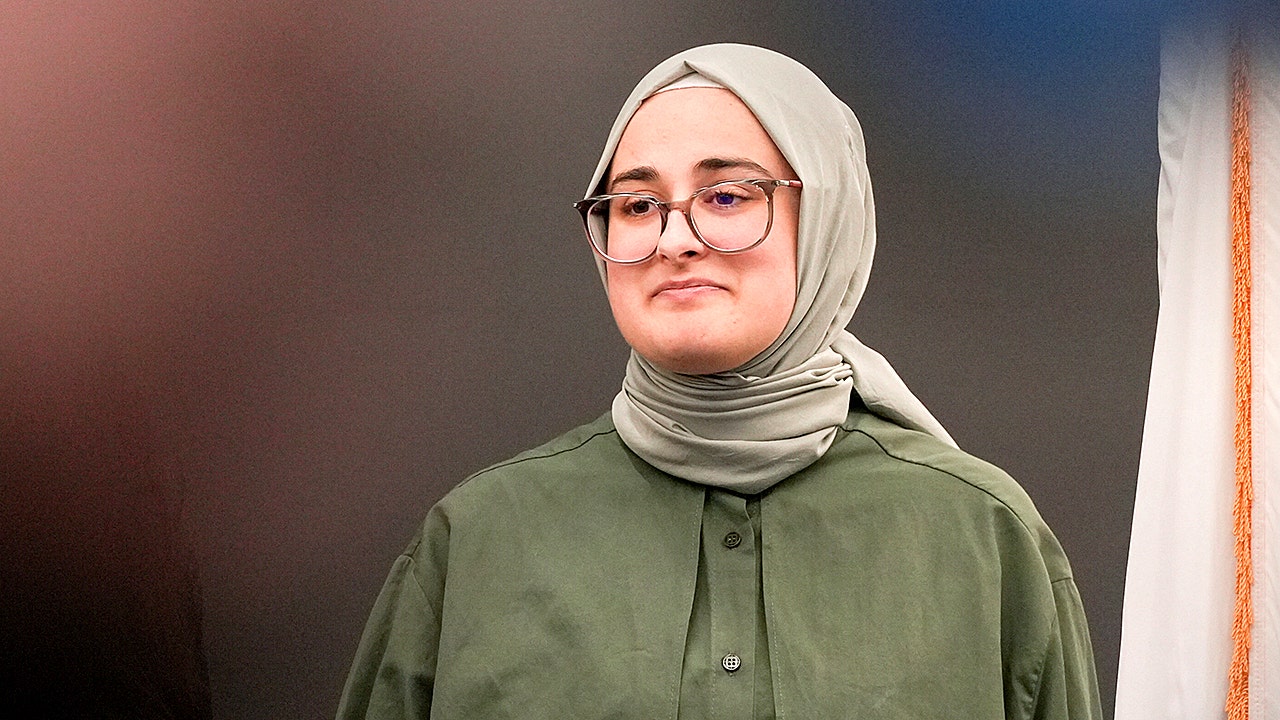
Rümeysa Öztürk, a Tufts University medical graduate student from Turkey, has self-deported to Turkey after her charges were dropped. Öztürk was detained by ICE in March 2025 for allegedly supporting Hamas, but a federal judge blocked her deportation. She was released on bail and later had her deportation proceedings terminated by a Boston immigration judge. Öztürk had co-authored an op-ed critical of Israel’s response to anti-Israel protests, which led to her visa being revoked by the Trump administration.
Our Reading
As expected, the matter has reached another stage.
Öztürk’s self-deportation marks the end of a long battle between her and the Trump administration. The administration had revoked her student visa after she co-authored an op-ed critical of Israel, and she was detained by ICE. However, a federal judge blocked her deportation, and she was later released on bail. The case highlights the Trump administration’s efforts to crack down on student visas for students involved in protests and demonstrations regarding Israel and Palestine. Öztürk’s decision to self-deport raises questions about the impact of the administration’s policies on students and their ability to express their opinions freely.
The sequence of events in Öztürk’s case – detention, release on bail, and self-deportation – follows a familiar pattern in cases involving immigration and free speech. The Trump administration’s efforts to deport Öztürk and other students who have spoken out against Israel’s policies have sparked controversy and raised concerns about the limits of free speech in the US.
The fact that Öztürk chose to self-deport rather than continue to fight her case in court may be seen as a tactical move, allowing her to avoid further detention and uncertainty. However, it also highlights the difficulties faced by students who speak out against powerful interests and the challenges of navigating the complex and often contentious world of immigration law.
Öztürk’s case serves as a reminder that the boundaries between free speech, immigration law, and national security are often blurred, and that the consequences of speaking out can be severe. As the US continues to grapple with issues of immigration and free speech, cases like Öztürk’s will likely remain at the forefront of public debate.
Author: Evan Null