Source: Fortune.com
Summary
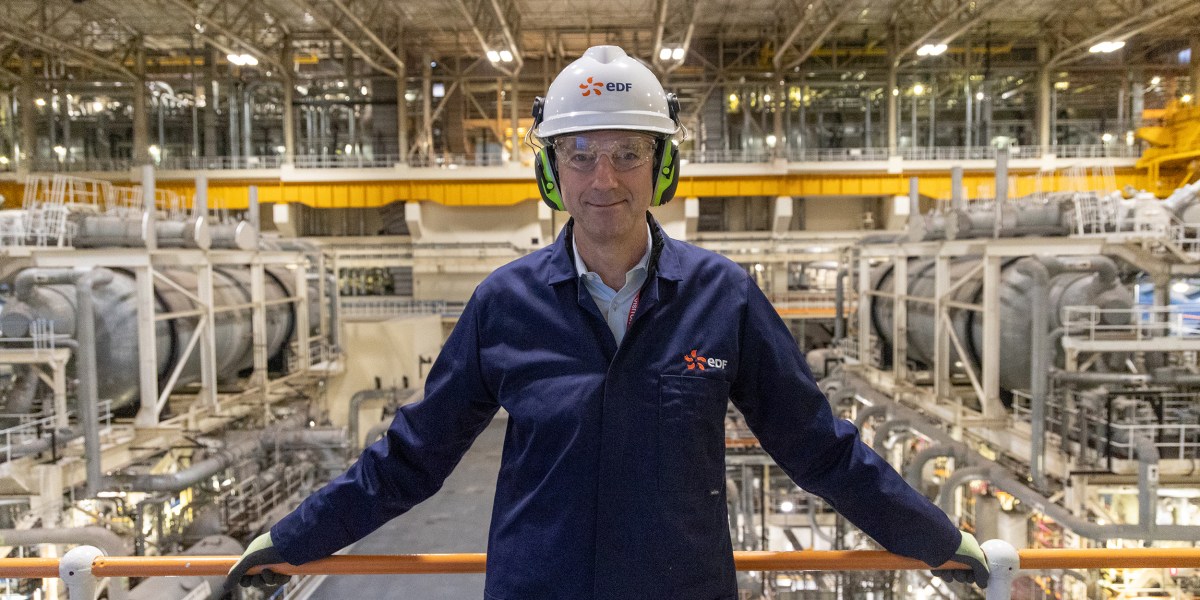
Sir Alex Chisolm, U.K. chair of EDF, highlighted the significance of nuclear power in the country’s energy strategy. He emphasized the need to reduce energy costs for businesses and consumers, citing a 25% increase in business energy prices since February. EDF, ranked 15th on the Fortune 500 Europe list, reported €8.4 billion in profits for the 2025 financial year. Chisolm called for the removal of hidden taxes from energy bills and advocated for nuclear energy as a key solution for energy security and climate goals.
Our Reading
The numbers tell one story.
EDF’s U.K. chair says energy costs are too high.
He wants taxes on energy bills removed.
Nuclear projects face delays and high costs.
Regulatory hurdles are slowing progress.
Author: Evan Null
Rising energy costs ‘put brakes’ on growth
Energy companies and the U.K. government are under pressure to lower business energy costs. Business energy prices have risen 25% since February, according to Cornwall Insight. The Confederation of British Industry warns that high energy costs threaten the U.K.’s global competitiveness and growth ambitions. Chisolm argues that the U.K. has a competitiveness deficit in energy costs, with industrial electricity prices nearly 1.5 times higher than in other parts of Europe.
The regulatory burden
EDF’s nuclear projects in the U.K. face significant delays. Hinkley Point C, originally scheduled for 2025, has seen its cost double to £36 billion. Sizewell C also faces delays due to infrastructure issues. Chisolm says U.K. regulatory requirements have made the process unnecessarily complex. A 55,000-page development consent order was required for Hinkley Point C, and EDF spent nearly £1 billion on fish protection measures, including an underwater “fish disco.”
Nuclear as a key solution
Chisolm sees nuclear power as essential for energy security and environmental goals. EDF is building two new nuclear plants in the U.K.: Hinkley Point C, set to power 6 million homes by 2031, and Sizewell C, expected to be operational in the mid-2030s. These projects are part of the government’s plan to reduce reliance on fossil fuels. Chisolm believes nuclear energy is a critical part of the solution for both the planet and energy supply.
The Fingleton Review
The Fingleton Review recommended a more balanced approach to environmental protection in nuclear projects. It was adopted in full after John Fingleton noted that Hinkley Point C had more fish protection measures than any other power station. The review aims to speed up planning for new nuclear projects by reforming environmental impact assessments. However, wildlife charities and environmental groups have criticized the proposals for creating a false choice between nature and development.
Chisolm’s vision for the U.K.
Chisolm believes that streamlining the planning process for large projects would make the U.K. a better place to do business. He argues that reducing regulatory burdens could boost the economy and improve competitiveness. His comments reflect a broader frustration with the pace and complexity of infrastructure development in the U.K. Chisolm’s experience in government and the private sector has shaped his view that real progress happens on the ground, not in bureaucratic offices.