Source: Fortune
Summary
A study by Monster found that 65% of job seekers are adjusting their priorities due to rising gas prices. 23% are seeking jobs closer to home, and 17% are focusing on salary to offset commuting costs. 20% are prioritizing remote roles, while 5% are applying for in-person positions. Gas prices have risen to over $5 for mid-grade and $6.50 for diesel, with Brent crude at $105 per barrel. The U.S.-Iran conflict has disrupted oil supply, affecting global markets.
Our Reading
The numbers tell one story.
Gas prices are up. Job seekers are shifting priorities. Remote work is gaining traction. Commute costs are pushing people to turn down jobs. Employers face new challenges in attracting talent.
Oil prices are up, gas prices are up, and job seekers are adjusting. The U.S.-Iran conflict is having ripple effects. Employers are under pressure to offer better deals. Work-life balance is becoming more important.
Commuting is no longer a given. Employers are being forced to rethink office setups. Remote work is no longer a perk—it’s a necessity. The future of work is being shaped by rising costs and shifting expectations.
The cost of a commute is now a deal-breaker. Employers must adapt or risk losing talent. The balance between office and remote work is shifting. Workers are no longer willing to pay the price for long commutes.
The future of work is being rewritten by gas prices and geopolitical tensions.
Author: Evan Null
The cost of a commute
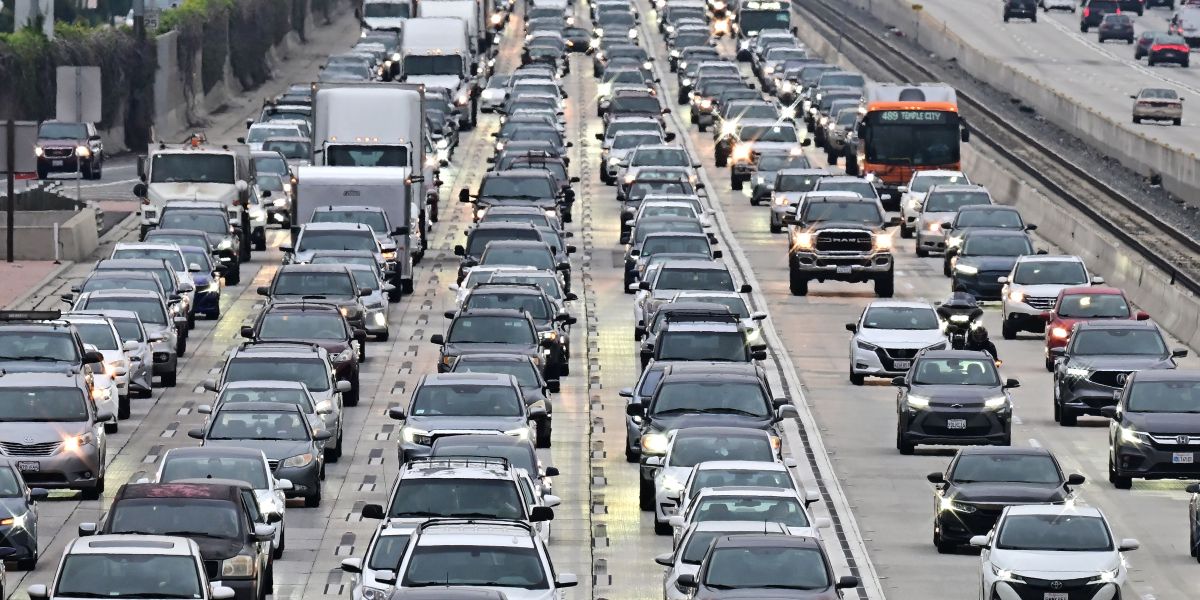
The impact of gas prices on job seekers is clear. With the national average for gas at over $5, workers are rethinking their job choices. Many are looking for roles closer to home or remote options to avoid high commuting costs. Employers are now under pressure to offer better compensation or flexible work arrangements.
Commuting is no longer a small inconvenience. It’s a major factor in job decisions. The study shows that 32% of workers would need a 20% pay increase to commute an extra 20 minutes. This highlights the growing importance of work-life balance and the cost of living.
Employers who don’t adapt may struggle to fill roles. With 49% of workers turning down jobs due to commute costs, the pressure is on. Companies must find ways to attract talent without relying on traditional office setups.
The shift toward remote work is not just a trend—it’s a response to rising costs. As gas prices continue to climb, more workers are seeking flexibility. This could lead to a long-term change in how companies structure their work environments.
The future of work is being shaped by economic and geopolitical factors. As gas prices and oil costs remain high, the demand for remote and hybrid work will likely continue to grow.
Oil prices and geopolitical tensions
The surge in oil prices is directly linked to the U.S.-Iran conflict. The Strait of Hormuz, a critical oil shipping route, has become a point of concern. With supply disruptions, prices are rising, affecting global markets. This has led to higher gas prices and increased costs for consumers.
Iran’s stance in the conflict has been firm, with President Pezeshkian rejecting any notion of submission. Meanwhile, President Trump has taken a hard line, suggesting military action if diplomacy fails. This tension is fueling uncertainty in the energy market.
Analysts had hoped for progress in U.S.-Iran talks, but the lack of clear signals has kept prices volatile. The situation remains unpredictable, with no immediate resolution in sight. This uncertainty is affecting not just oil prices, but also the broader economy.
As oil prices continue to rise, the impact on consumers and businesses will grow. Companies are already adjusting their strategies to account for higher costs. The long-term effects of this conflict on global markets are still unclear.
The geopolitical landscape is shaping the economic future. With tensions unresolved, the energy market will remain under pressure. This could lead to further economic shifts and changes in consumer behavior.
Employers and the future of work
Employers are facing a new reality in the job market. With rising gas prices and higher commuting costs, workers are demanding more flexibility. Companies that fail to adapt may struggle to attract and retain talent.
Remote work is becoming a key factor in job decisions. Many workers are prioritizing roles that offer flexibility, even if it means working from home. This shift is forcing companies to rethink their office strategies and work policies.
Hybrid models are emerging as a middle ground. Some employees are willing to accept a longer commute if they can work remotely part of the time. This flexibility is becoming a key selling point for employers.
As the job market evolves, companies must find ways to balance office presence with remote work. The challenge is to create a work environment that meets the needs of both employees and the business.
The future of work is being shaped by economic pressures and changing employee expectations. Employers who embrace flexibility and innovation will be better positioned to succeed in this new landscape.
Work-life balance and employee expectations
Work-life balance is now a top priority for many workers. With rising costs and longer commutes, employees are seeking jobs that offer more flexibility and better compensation. This shift is changing the way companies approach hiring and retention.
Employers are under pressure to offer competitive salaries and benefits. With 75% of workers saying that the cost of living has made work-life balance more important, companies must find ways to meet these expectations. This includes offering remote work options and more flexible schedules.
Younger generations are leading this shift. They value work-life balance over traditional office setups. This is forcing companies to rethink their workplace policies and find new ways to attract talent.
As the demand for remote and hybrid work grows, companies must adapt or risk losing out on top talent. The future of work is no longer about where you work, but how you work and what you value.
Employers who fail to recognize these changes may struggle to remain competitive. The job market is evolving, and companies must keep pace with changing employee expectations.
The future of commuting
Commuting is becoming a thing of the past. With rising gas prices and shifting work preferences, more workers are opting for remote or hybrid models. This trend is reshaping the job market and forcing companies to rethink their strategies.
Experts predict that commuting could be extinct within the next 15 years. As work-from-anywhere policies become more common, the need for long commutes is diminishing. This shift is driven by both economic factors and changing employee expectations.
Employers are beginning to see the benefits of remote work. It reduces overhead costs, increases employee satisfaction, and improves work-life balance. As more companies adopt flexible work arrangements, the traditional office model is being challenged.
The future of work is not about where you work, but how you work. With the rise of remote and hybrid models, the need for daily commutes is decreasing. This is a major shift in how businesses operate and how employees approach their careers.
As the trend continues, the traditional 9-to-5 office culture may become a relic of the past. The future of work is flexible, remote, and more balanced. Employers who embrace this change will be better positioned to succeed in the evolving job market.