Source: Fortune
Summary
U.S. pipeline companies are acquiring smaller private firms to consolidate the industry as natural gas production rises. ONEOK recently bought Brazos Midstream’s Permian Basin assets for $4.42 billion, following previous deals like Williams’ $5.5 billion acquisition of Momentum Midstream. Analysts note the trend of public companies buying private ones to build scale. The U.S. is now the top LNG exporter, with demand from AI data centers and exports expected to drive production growth. ONEOK CEO Pierce Norton said demand for natural gas is strong and will continue to rise.
Our Reading
The numbers tell one story.
ONEOK buys Brazos for $4.42 billion, adding 700 miles of gathering lines and 1.2 Bcf/d processing capacity.
Williams spent $5.5 billion on Momentum Midstream, while Western Midstream paid $1.6 billion for Brazos’ Delaware Basin assets.
Analysts say the trend is public companies buying private ones to consolidate.
The U.S. is the top LNG exporter, with demand from AI and exports set to drive growth.
Author: Evan Null
Rising Demand and Consolidation
As natural gas production in the U.S. continues to grow, pipeline companies are consolidating to meet rising demand. The Permian Basin is a key area for this expansion, with major players like ONEOK and Williams acquiring smaller firms to build scale. These deals are part of a broader industry trend to position for future growth, especially as demand for LNG and AI data centers increases.
The U.S. now produces about a quarter of the world’s natural gas, with projections showing continued growth through 2050. LNG exports have become a major driver of this expansion, with facilities in Texas and Louisiana leading the way. Pipeline companies are investing heavily to connect these resources to markets, both domestic and international.
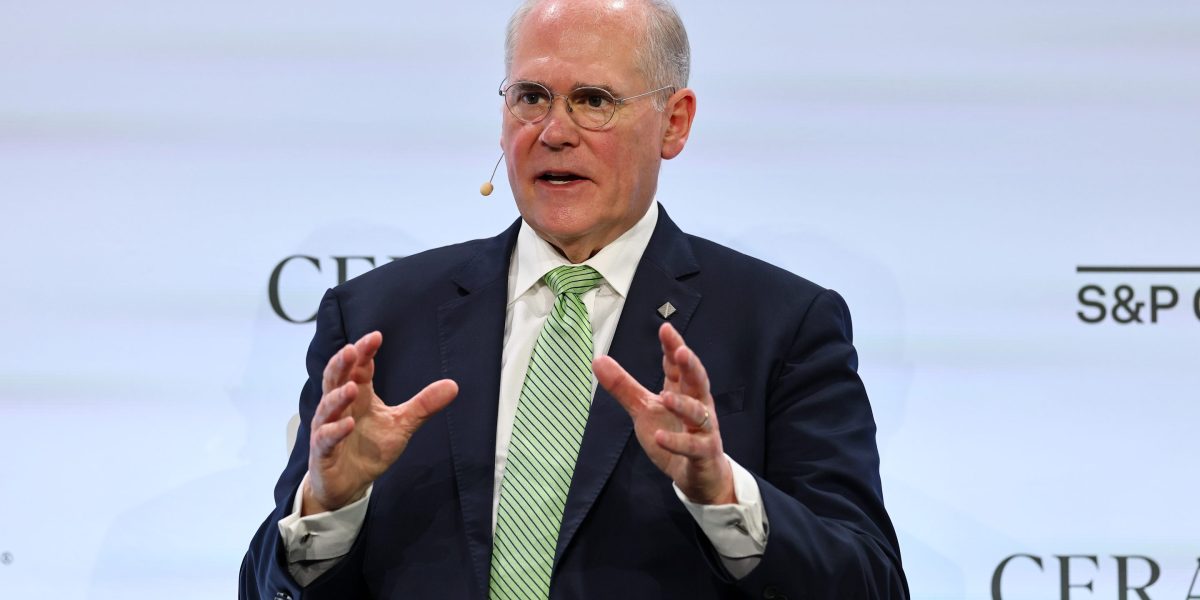
ONEOK’s CEO, Pierce Norton, has been vocal about the company’s strategy to build scale and secure a dominant position in the Permian Basin. He has emphasized the importance of integrating gas infrastructure to meet the needs of data centers and LNG exports. This strategy has led to a series of acquisitions, including the recent purchase of Brazos Midstream.
The trend of consolidation is not limited to ONEOK. Other pipeline giants are also acquiring smaller firms to strengthen their market position. This has led to a more concentrated industry, with a few large players controlling a significant portion of the market. Analysts suggest this trend is likely to continue as demand for natural gas grows.
With the U.S. leading the world in LNG exports, the pipeline industry is poised for continued growth. Companies like ONEOK are investing heavily to ensure they can meet the rising demand, both from domestic sources and international markets. This has led to a wave of acquisitions, as companies seek to build scale and secure their position in the industry.
Strategic Acquisitions and Debt
ONEOK has been actively acquiring smaller pipeline companies to expand its footprint and secure a dominant position in the Permian Basin. The company recently purchased Brazos Midstream’s assets for $4.42 billion, adding critical infrastructure to its existing network. This move is part of a broader strategy to build scale and integrate gas production with transportation and processing capabilities.
The company’s previous acquisitions, including Magellan Midstream for $18.8 billion and EnLink Midstream, have also been aimed at strengthening its position in key producing regions. These deals have allowed ONEOK to expand its reach and better serve the growing demand for natural gas, both for domestic use and international exports.
However, these acquisitions have come with significant financial commitments. To fund the Brazos deal, Apollo Global Management has taken a minority stake in ONEOK through a $9 billion investment. This includes $4 billion for the Brazos acquisition and $5 billion for debt reduction. The move highlights the financial challenges of scaling up in a competitive industry.
Despite the debt, ONEOK’s leadership remains confident in the long-term potential of the natural gas market. CEO Pierce Norton has emphasized the importance of securing a strong position in the Permian Basin, which is expected to remain a key source of production for years to come. The company’s strategy is to continue expanding its infrastructure to meet rising demand.
Analysts believe that the trend of consolidation will continue as pipeline companies seek to build scale and secure their market position. With the U.S. leading the world in LNG exports and AI demand driving growth, the industry is poised for further expansion. Companies that can effectively integrate their operations and secure access to key basins will be well-positioned to benefit from this growth.
Industry Trends and Future Outlook
The pipeline industry is undergoing a period of rapid consolidation as major players seek to build scale and secure their position in the growing natural gas market. Companies like ONEOK, Williams, and Western Midstream are acquiring smaller firms to expand their infrastructure and better serve the rising demand for gas. This trend is expected to continue as the industry prepares for increased production and export activity.
One of the key drivers of this consolidation is the growing demand for natural gas, both domestically and internationally. The U.S. is now the top LNG exporter, with facilities in Texas and Louisiana leading the way. Pipeline companies are investing heavily to connect these resources to markets, ensuring that gas can be transported efficiently to meet rising demand.
Analysts like London Spivey of East Daley Analytics have noted that the trend of public companies acquiring private ones is a clear signal of the industry’s direction. This consolidation allows companies to build more integrated systems, reducing costs and improving efficiency. It also helps them better position themselves to meet the needs of data centers and other major consumers of natural gas.
As the Permian Basin matures, it is expected to produce higher ratios of natural gas, even if oil output remains flat. This will further drive the need for pipeline infrastructure to transport the increased gas production to market. Companies that can secure access to these resources will be well-positioned to benefit from the growing demand.
Despite the challenges of financing large acquisitions, companies like ONEOK remain confident in the long-term potential of the natural gas market. With the U.S. leading the world in LNG exports and AI demand driving growth, the industry is poised for continued expansion. Companies that can effectively integrate their operations and secure access to key basins will be well-positioned to benefit from this growth.
Infrastructure Development and Market Growth
As natural gas production continues to rise, pipeline companies are investing heavily in infrastructure to support the growing demand. ONEOK, for example, is building the 450-mile Eiger Express Pipeline to transport gas from the Permian Basin to the Houston area. This project is expected to come online in 2028 and has already seen increased capacity due to strong customer interest.
The development of long-haul pipelines is critical to addressing the bottleneck problem in the Permian Basin, where excess gas has led to negative spot prices in the past. By expanding pipeline capacity, companies can better transport gas to markets, ensuring that production can be efficiently moved to where it is needed. This is expected to stabilize prices and improve the overall economics of gas production in the region.
ONEOK’s CEO, Pierce Norton, has emphasized the importance of building infrastructure to meet the needs of both domestic and international markets. With the U.S. leading the world in LNG exports, pipeline companies are focused on connecting production to export facilities. This includes expanding existing pipelines and building new ones to ensure that gas can be transported efficiently to international markets.
The trend of infrastructure development is not limited to ONEOK. Other pipeline companies are also investing in new projects to meet the growing demand for natural gas. This includes expanding existing pipelines and building new ones to connect key producing regions to major markets. These investments are expected to support the continued growth of the industry.
As the U.S. continues to expand its LNG export capacity, the need for pipeline infrastructure will only grow. Companies that can effectively build and operate these systems will be well-positioned to benefit from the increasing demand for natural gas. This is expected to drive further consolidation and investment in the industry in the coming years.
Financial Strategies and Industry Competition
As pipeline companies expand their operations through acquisitions, they are also navigating complex financial strategies to fund these deals. ONEOK’s recent acquisition of Brazos Midstream’s assets was partially funded by a $9 billion investment from Apollo Global Management. This includes $4 billion for the Brazos deal and $5 billion for debt reduction, highlighting the financial challenges of scaling up in a competitive industry.
The trend of large-scale acquisitions has led to increased competition among pipeline companies, with major players like ONEOK, Williams, and Western Midstream vying for dominance in key producing regions. This competition is driving consolidation as companies seek to build scale and secure a strong market position. Analysts suggest that this trend is likely to continue as the industry prepares for increased production and export activity.
Despite the financial commitments, companies remain confident in the long-term potential of the natural gas market. The U.S. is now the top LNG exporter, with demand from AI data centers and other major consumers expected to drive growth. Pipeline companies are investing heavily to ensure they can meet this demand, both domestically and internationally.
The financial strategies of pipeline companies are also influenced by the need to balance debt with growth. While acquisitions provide opportunities for expansion, they also come with significant financial risks. Companies must carefully manage their debt levels to ensure they can continue to invest in new projects and maintain their competitive edge.
As the industry continues to evolve, the financial strategies of pipeline companies will play a critical role in determining their success. Companies that can effectively manage their debt while investing in new infrastructure will be well-positioned to benefit from the growing demand for natural gas. This is expected to drive further consolidation and investment in the industry in the coming years.