Source: Fortune.com
Summary
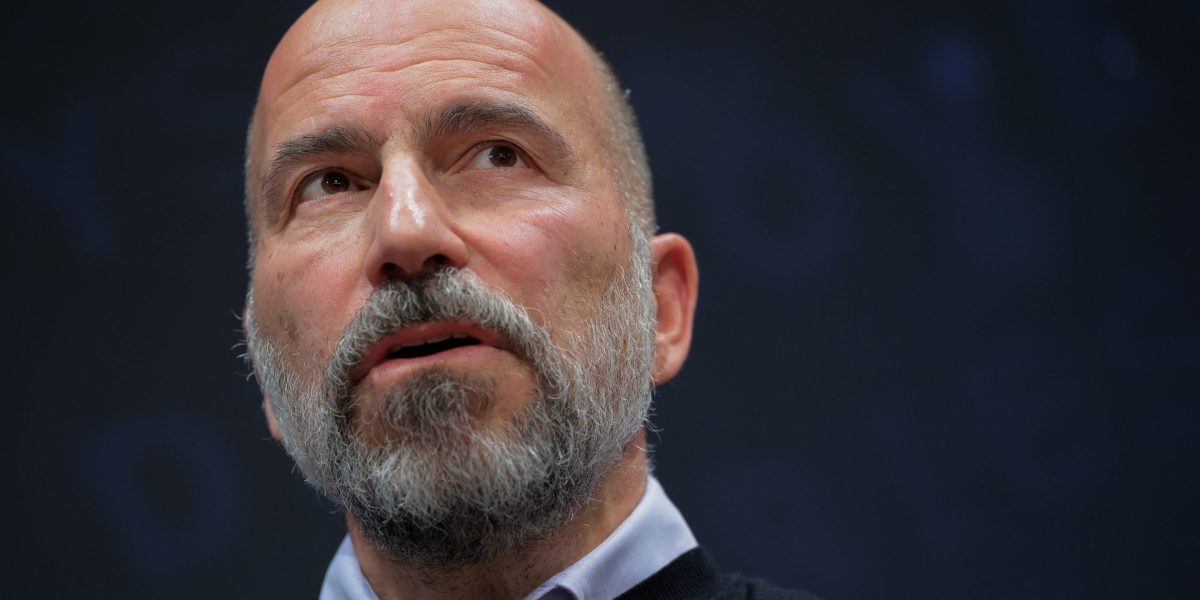
Uber CEO Dara Khosrowshahi announced 3,300 job cuts, or 10% of the workforce, the largest reduction since the pandemic. The cuts, aimed at streamlining operations, were not due to economic downturn but to make the company “faster and smarter.” Khosrowshahi emphasized the changes were about organization, not performance. The move included reducing layers of management and merging teams. Uber plans to reinvest savings into growth and self-driving technology, with a $10 billion commitment to autonomous vehicles.
Our Reading
The numbers tell one story.
Uber cut 3,300 jobs, 10% of its workforce.
The CEO said it was about streamlining, not performance.
Layers of management were reduced.
The company is doubling down on self-driving cars with a $10 billion bet.
Companies often rebrand pain as progress.
Author: Evan Null
Uber’s Leadership and Workforce Strategy
Uber’s CEO, Dara Khosrowshahi, announced the job cuts as a strategic move to improve efficiency. The decision was framed as a necessary step to make the company more agile. The CEO emphasized that the cuts were not a reflection of employee performance but rather a structural adjustment. The move included reducing the number of layers in the company and merging teams to create a simpler organizational structure. This restructuring was intended to focus on building and innovation rather than management.
Employee Impact and Company Response
The job cuts affected 3,300 employees, a significant portion of Uber’s global workforce. Khosrowshahi acknowledged the impact on employees and stated that the decision was not made lightly. The CEO emphasized that the changes were about the company’s priorities and structure, not about individual contributions. The company also cut the number of micro-teams by half and combined delivery operations teams to streamline processes. These changes were meant to improve coordination and focus on customer service.
Financial Implications and Future Investments
Uber’s decision to cut jobs is part of a broader strategy to reinvest savings into growth and innovation. The company plans to use the cost savings from the restructuring to fund future projects, including the development of self-driving technology. Khosrowshahi highlighted that the company is making a $10 billion investment in autonomous vehicles, aiming to position Uber as a leader in commercializing self-driving technology. This move reflects the company’s long-term vision and commitment to innovation.
Autonomous Vehicle Strategy and Partnerships
Uber has been investing heavily in autonomous vehicle technology, despite selling its research unit in 2020. The company has since partnered with startups like Rivian, Baidu, and Pony.ai to deploy self-driving cars in its network. These partnerships are crucial for Uber’s strategy to scale autonomous vehicle technology. The company expects to have 120,000 autonomous vehicles committed by its partners, signaling a significant step forward in its robotaxi ambitions. This strategy is part of a broader push to revolutionize transportation and reduce reliance on personal vehicle ownership.
Future Outlook and Market Position
Uber’s leadership believes that the future of transportation lies in autonomous vehicles and shared mobility solutions. The company’s president, Andrew MacDonald, predicted that car ownership will decline in the next 15 to 20 years, with self-driving cars and other forms of transport filling the gap. This vision aligns with Uber’s goal to become the world’s leading commercialization platform for autonomous vehicles. The company’s recent financial results have given it the confidence to continue investing in this area, despite the challenges of scaling such technology.