Source: Fortune.com
Summary
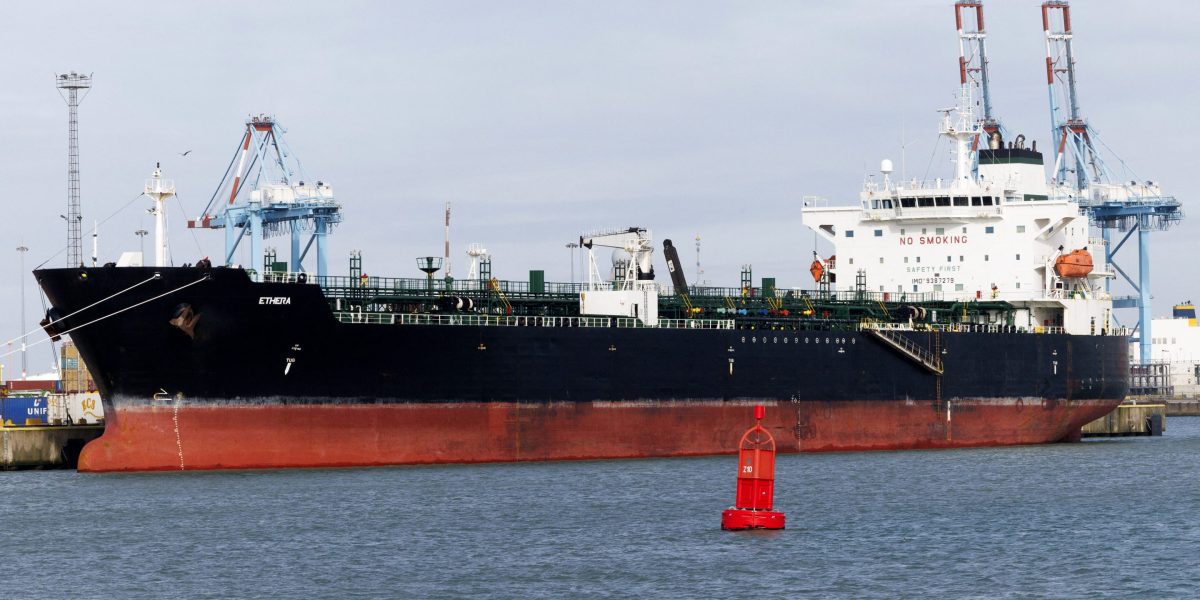
The Trump administration allowed a waiver to expire, ending a brief period where some Russian oil purchases were permitted despite sanctions. The waivers had been issued in March and April, allowing purchases of Russian oil that had already been loaded onto tankers. The move has been criticized by European allies who see sanctions as essential to starving Russia of crude revenue. The expiration comes as the Iran war stokes concerns about global oil supplies and higher fuel costs.
Our Reading
The numbers tell one story.
The Trump administration’s waiver expiration effectively ends a brief period of eased sanctions on Russian oil. The move has been criticized by European allies. Treasury Secretary Scott Bessent initially said the US would not renew the waiver before issuing a new authorization two days later. The administration has pivoted on the issue, responding to entreaties from countries heavily reliant on crude imports. Lobbying from Asian allies and tightness in the oil market could still prompt the administration to issue a new waiver later. The expiration comes as the Iran war drives higher prices for gasoline and diesel.
The strategy enters a familiar phase: US administrations often walk a fine line between supporting allies and managing global energy markets.
Author: Evan Null
The Waiver’s Impact on Global Oil Supplies
The expiration of the waiver comes at a critical time, as the Iran war has disrupted global oil supplies and driven up prices. The International Energy Agency has called the disruption the biggest supply disruption in the history of the oil market.
European Allies’ Criticism
European allies have been critical of the waivers, seeing them as a way for Russia to continue earning revenue from crude sales despite sanctions. The waivers have been seen as a way for the Trump administration to balance its relationships with European allies and countries reliant on crude imports.
Asian Allies’ Lobbying Efforts
Asian allies, including India and Indonesia, had lobbied the Trump administration for extended sanctions waivers, citing concerns about the impact of the Iran war on global oil supplies. The administration’s decision to allow the waiver to expire may put pressure on these countries to find alternative sources of crude.
The US Government’s Response
The US government has taken several steps to tame the impacts of the energy shock, including allowing foreign vessels to carry crude and other commodities between American ports through mid-August. The administration has also temporarily waived some domestic fuel specifications.