Source: The Conversation
Summary
US beef prices are expected to rise further due to trade tensions and disease outbreaks. The US cattle herd has fallen to levels not seen since the 1950s, partly due to drought and a screwworm outbreak in Mexico. The North American Free Trade Agreement (NAFTA) and its successor, the United States-Mexico-Canada Agreement (USMCA), have created a harmonized market for beef across the three countries. However, President Donald Trump’s threat to withdraw from the USMCA has created uncertainty, and trade disruptions could lead to higher prices and tighter supplies.
Our Reading
The strategy enters a familiar phase.
US beef prices are up over 20% since January 2025, and the cost of ground beef is expected to rise further. The US cattle herd has fallen to levels not seen since the 1950s, partly due to drought and a screwworm outbreak in Mexico. The US imports young “feeder” cattle from Mexico and mature “fed” cattle from Canada, which are then fattened for slaughter in the US. The US also exports beef products and fed cattle to Mexico. The North American beef market is closely tied together across the three countries, and trade disruptions could lead to higher prices and tighter supplies.
The US has a lot to lose if it quits the USMCA deal altogether, and farm groups are strongly lobbying the Trump administration to keep the deal. If the US exits the pact, North American trade would likely revert to more basic international rules, which would free Mexico and Canada to impose their own tariffs, raising costs for producers, processors, and consumers.
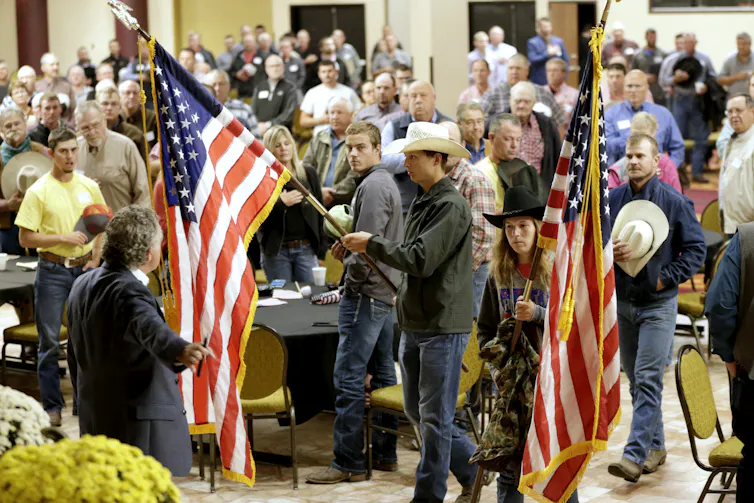
US ranchers are already bracing for a worst-case scenario, and some are comparing the situation to what soybean farmers experienced when China quit buying their products.
“We can’t lose demand for our products,” one rancher said. “Look what happened with soybeans last year when China quit buying.”
The numbers tell one story: the US beef market is highly integrated with its North American neighbors, and trade disruptions could have significant consequences.
Author: Evan Null