Summary
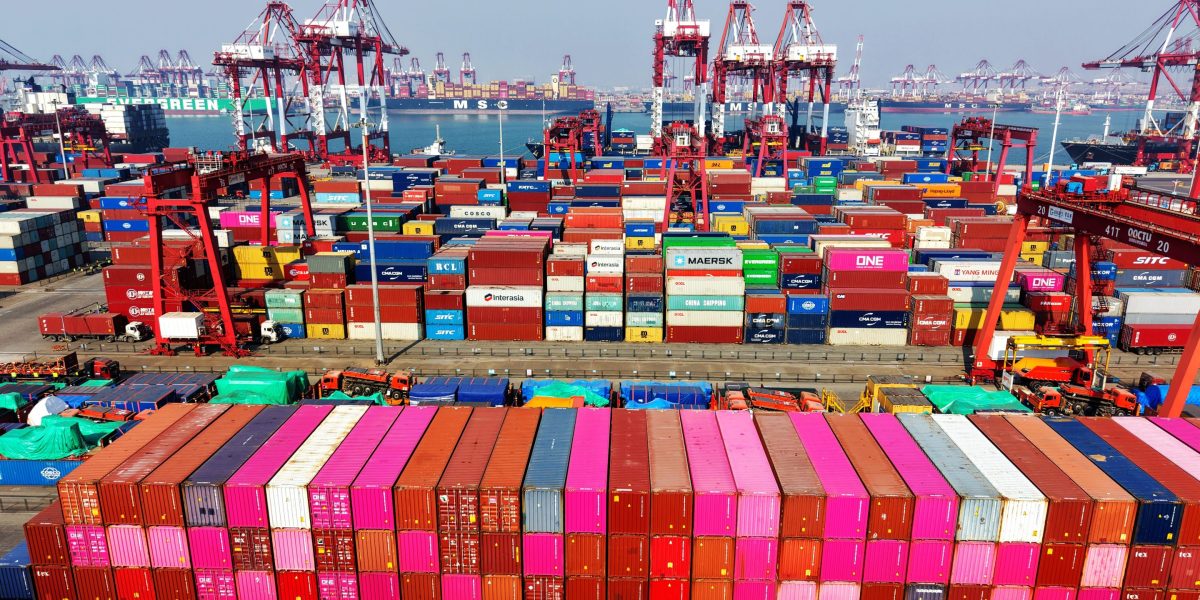
The AI Impact Summit in New Delhi, India, resulted in voluntary commitments to ensure the benefits of AI technology are spread more equitably around the world, and India secured $200 billion of new AI investment. Meanwhile, Anthropic accused Chinese AI company DeepSeek of using Claude’s answers to enhance their models, violating Anthropic’s terms of service. OpenAI launched an alliance with major consulting firms to sell its Frontier AI agent platform. Additionally, the US Supreme Court struck down President Donald Trump’s “Liberation Day” tariffs, affecting global supply chains.
Our Reading
The numbers tell one story. Anthropic’s allegations against DeepSeek and other Chinese AI labs reveal a competitive edge in AI technology. The US AI industry may not lose its edge in state-of-the-art performance, but market share is another matter. The use of AI to map global supply chains, as seen with Altana’s AI-powered knowledge graph, can help companies optimize and plan for supply chain resilience.
Altana’s CEO Evan Smith notes that the existence of supplier relationships is not a proprietary competitive advantage in the 21st century. The company’s AI-powered tariff management system can automate the process of assigning Harmonized System codes and calculating country of origin under trade rules.
Following the Supreme Court ruling, Altana’s tariff calculator usage spiked 213%, with 50% of calculations concerning articles containing metals and 32% concerning products with China as the country of origin. Smith predicts that the Trump Administration will find new legal authorities to impose tariffs, making the complexity of trade rules worse.
Author: Evan Null