Source: Fortune
Summary
The US has been secretly helping ships cross the Strait of Hormuz, which Iran had previously shut down, with naval overwatch and a route along the Omani coast. Despite a ceasefire deal, Iran’s control over the strait remains a concern. The US has been promoting the Strait’s reopening, with officials revealing increased ship traffic and touting routes for safe passage. Iran has established a separate channel through the strait, demanding tolls from ships, and US forces and Iran’s Islamic Revolutionary Guard Corps continue to exchange fire.
Our Reading
The announcement sounds familiar.
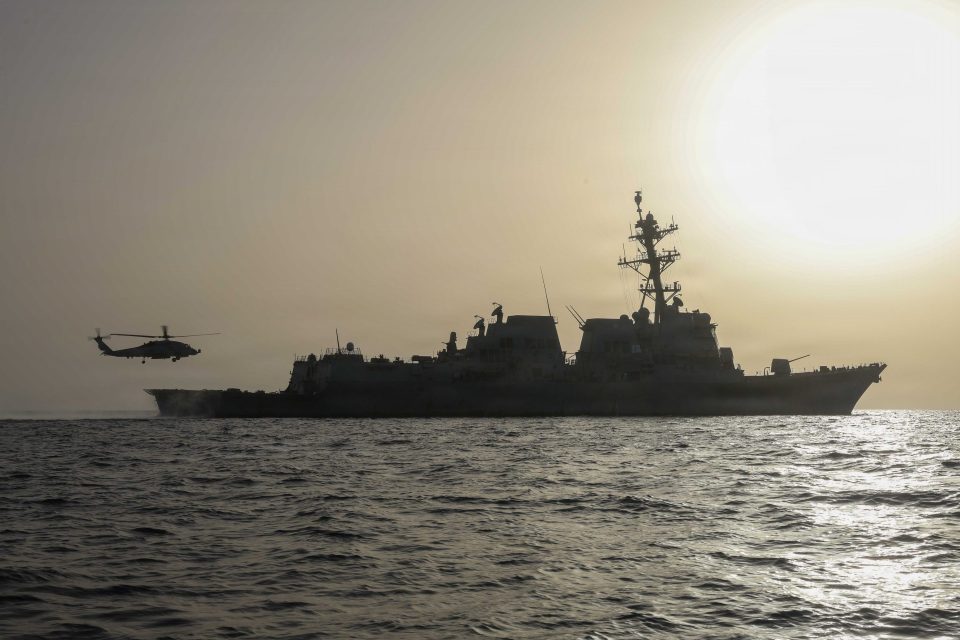
The US is trying to dilute Iran’s leverage over the Strait of Hormuz by promoting increased ship traffic and touting routes for safe passage. Energy Secretary Chris Wright admitted that traffic in the strait was rising “very meaningfully” in a military operation that wasn’t being disclosed openly. President Donald Trump described a “secret mission” that put more than 100 million barrels of oil on the market. The US Central Command posted a message saying the Strait of Hormuz is open for transit, and Defense Secretary Pete Hegseth said the US naval blockage in Iran is “impenetrable”.
The Strait of Hormuz has become a contested space, with both the US and Iran maintaining competing lanes and exchanging fire on a regular basis.
The US is using a tactic borrowed from Iran and Russia’s “shadow fleet” to avoid Western sanctions, by having tankers cross the strait and offload their oil via ship-to-ship transfers.
Kuwait, which has no meaningful routes to export oil other than the Strait of Hormuz, has finally been able to draw down its inventories and is now selling its crude to refiners in Asia.
The US is trying to control the narrative around the Strait of Hormuz, but the reality on the ground is more complex.