Source: Fox News
Summary
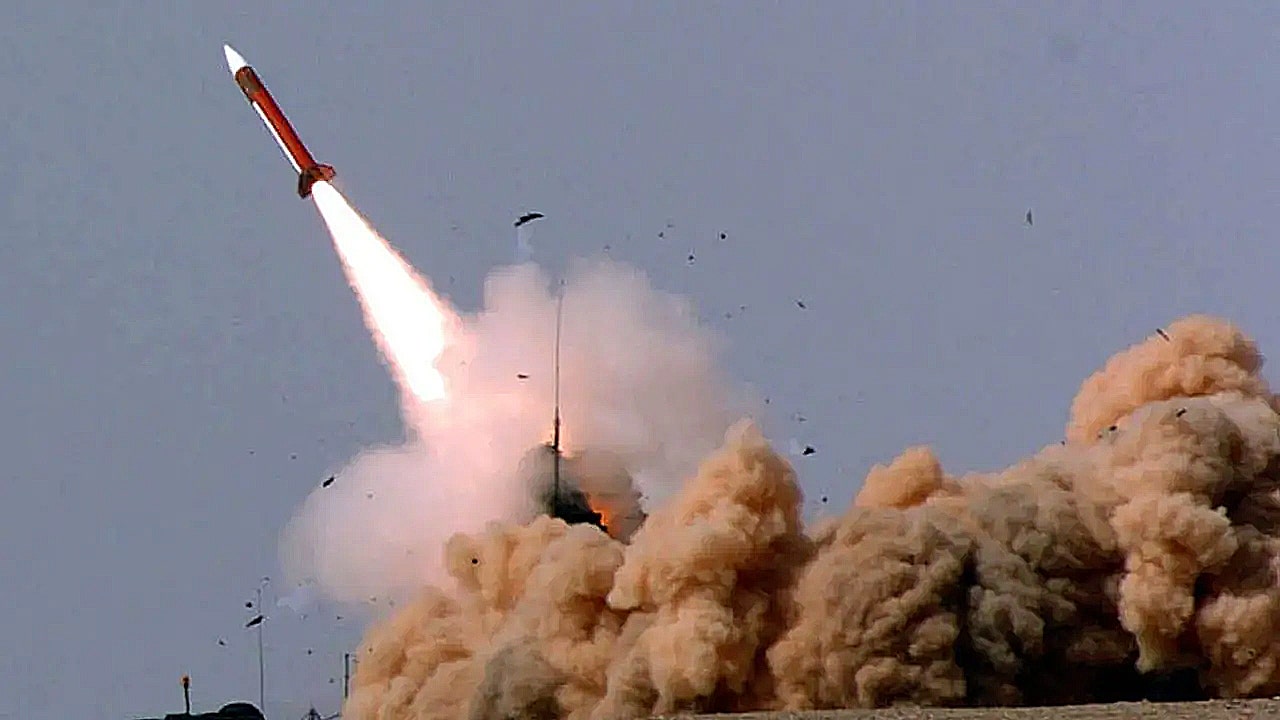
US and Israeli strikes on Iran have raised concerns about the sustainability of a broader confrontation, with current and former defense officials warning that sustaining operations beyond the initial window is complicated. The US and Israel have undertaken a mission, Operation Epic Fury, targeting Iranian leadership and military sites, with its duration still unclear. The campaign may go on for days, according to US officials. The US missile and air-defense interceptor inventories have been severely drawn down by recent operations, posing a challenge for the Pentagon. Iran has already fired counterattacks near US positions in Bahrain, Qatar, the United Arab Emirates, Kuwait, and Jordan.
Our Reading
As expected, the matter has reached another stage.
The US and Israel have engaged in a coordinated strike on Iran, with the duration of the campaign still unclear. The operation, known as Operation Epic Fury, has targeted Iranian leadership and military sites. The US has fired over 150 Terminal High Altitude Area Defense Interceptors, roughly a quarter of the total global inventory, to protect allies. The shortfall in missile defense inventories is attributed to the dual pressure of supplying Ukraine and the surge of batteries to the Middle East. Replenishing these high-end systems can take more than a year, analysts say.
The US has also faced challenges in sustaining operations beyond the initial window, with concerns about the sustainability of a broader confrontation. The Pentagon has acknowledged the challenge, with Chief Pentagon spokesman Sean Parnell saying that the Department of War has everything it needs to execute any mission. However, analysts warn that even a year’s worth of production could be consumed in a matter of weeks, especially after recent drawdowns in Ukraine and the Middle East.
Author: Evan Null