Source: Fortune.com
Summary
Iran’s president and central bank chief warned Supreme Leader Ayatollah Mojtaba Khamenei that the economy was on the ropes due to the U.S. naval blockade. The president threatened to resign if a deal to reopen the Strait of Hormuz wasn’t approved. The central bank chief sent a letter warning of a severe budget crisis and potential shortages of food and medical supplies. The bleak assessments helped convince Khamenei to give his blessing for the MOU, despite his opposition “on principle.”
Our Reading
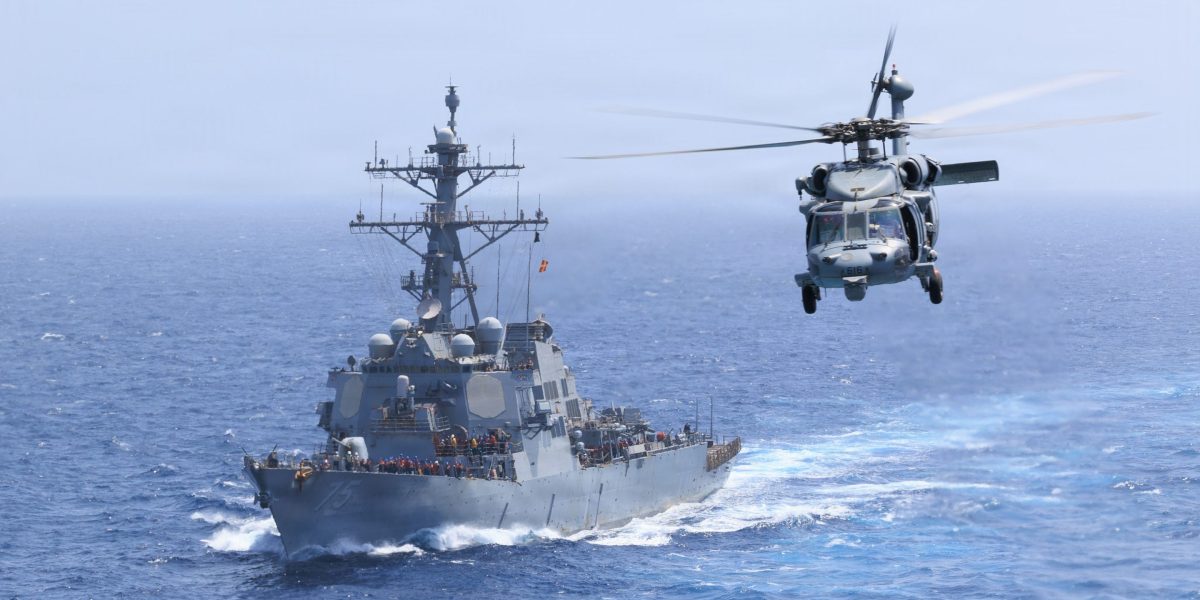
The numbers tell one story. Iran’s economy is struggling, and the U.S. naval blockade is taking its toll. President Masoud Pezeshkian’s threat to resign adds pressure on Khamenei to make a deal. The central bank chief’s warning of a severe budget crisis and potential shortages raises the stakes. The U.S. is considering reimposing the naval blockade, which could further cripple Iran’s economy. The situation is precarious, and a new deal may be needed soon.
The announcement sounds familiar. The U.S. and Iran are engaged in a game of cat and mouse, with the Strait of Hormuz as the prize. The naval blockade is a powerful tool, and the U.S. is considering using it again. Iran is trying to find ways to circumvent the blockade, but the U.S. is one step ahead. The situation is volatile, and a miscalculation could have serious consequences.
The strategy enters a familiar phase. The U.S. is trying to “grind Iran down economically” by reimposing the naval blockade. Iran is trying to find ways to resist, but the U.S. has the upper hand. The situation is a classic game of economic warfare, with the U.S. using its military and economic might to try to force Iran to surrender.
Ultimately, both sides need a deal soon. The U.S. has looming midterms, and Iran’s economic and political fragilities are well-known. A new deal is possible, but the timing and escalatory paths are uncertain. The current strikes and counter-strikes are a way to bargain, as both sides try to establish greater leverage.
The situation is precarious, and a miscalculation could have serious consequences. The U.S. and Iran are engaged in a high-stakes game of economic warfare, and the outcome is far from certain.
Author: Evan Null