Source: Fortune
Summary
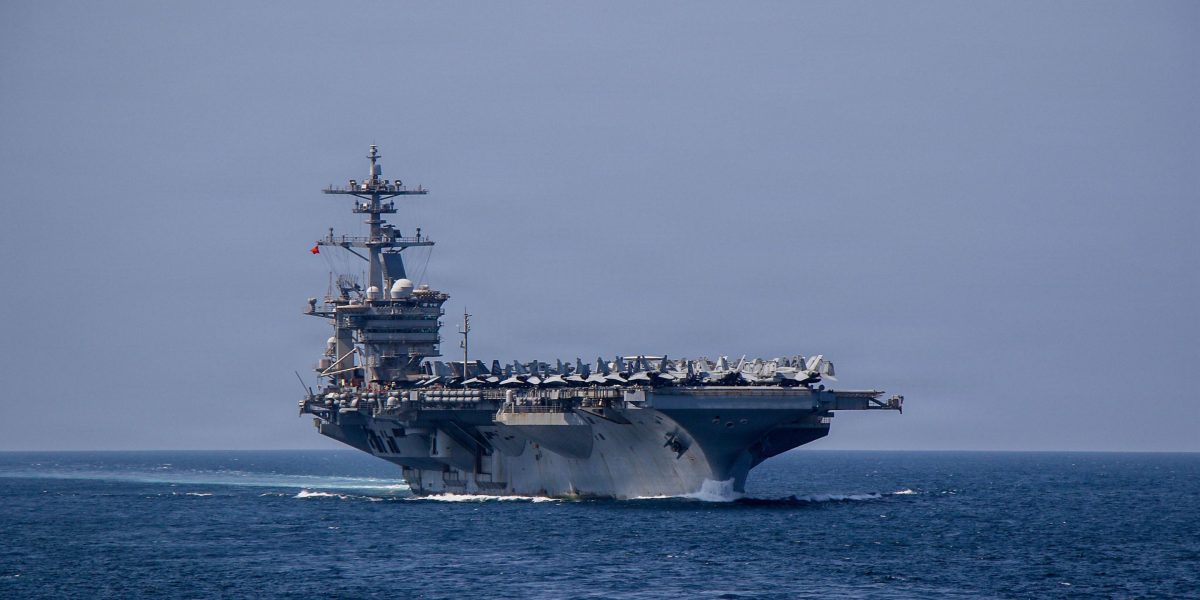
President Donald Trump announced a US Navy blockade of the Strait of Hormuz after ceasefire talks with Iran failed. This move aims to cut off Iran’s oil exports and cripple its economy. Retired Admiral James Stavridis estimated that a blockade would require two aircraft carrier strike groups, a dozen destroyers and frigates, and several warships from the UAE and Saudi navies. The blockade would likely send energy markets into turmoil, with futures already soaring due to shortages. Markets fear renewed fighting, as a blockade would be perceived as a hostile act that could trigger retaliation from Iran.
Our Reading
The numbers tell one story. The US Navy has deployed a Marine Expeditionary Unit and is sending another, along with a third carrier strike group, to the Middle East. The blockade would require a significant naval presence, including two aircraft carriers and numerous warships. The move is seen as a big gamble, with risks of renewed fighting and potential retaliation from Iran. Stavridis characterized the blockade as a big complicated undertaking, falling halfway between leaving the strait under Iranian control and Trump’s earlier threat to wipe out Iran as a civilization.
The US is trying to bottle up the strait on both sides, with warships operating outside the Persian Gulf and inside the Gulf. The blockade would cut off Iran’s oil exports, depriving the regime of hard currency needed to prop up its war machine. Markets would likely fear renewed fighting, but some analysts argue that a blockade could end the war quickly and send prices higher.
The situation is a classic case of “economic pressure without destruction.” The US is trying to implode Iran’s economy without putting boots on the ground.
Author: Evan Null