Source: Fox News
Summary
The US Navy is working to reopen the Strait of Hormuz after Iran threatened to close the critical shipping lane and laid mines in the waterway. The Navy has retired most of its dedicated minesweepers and is relying on a smaller fleet of unmanned systems to clear the mines. The operation is a test of the Navy’s mine-warfare posture, which has been weakened by the retirement of its minesweepers. The US has imposed a naval blockade on Iranian ports, and Iran has responded with attacks on commercial vessels and threats to close the strait entirely.
Our Reading
As expected, the matter has reached another stage.
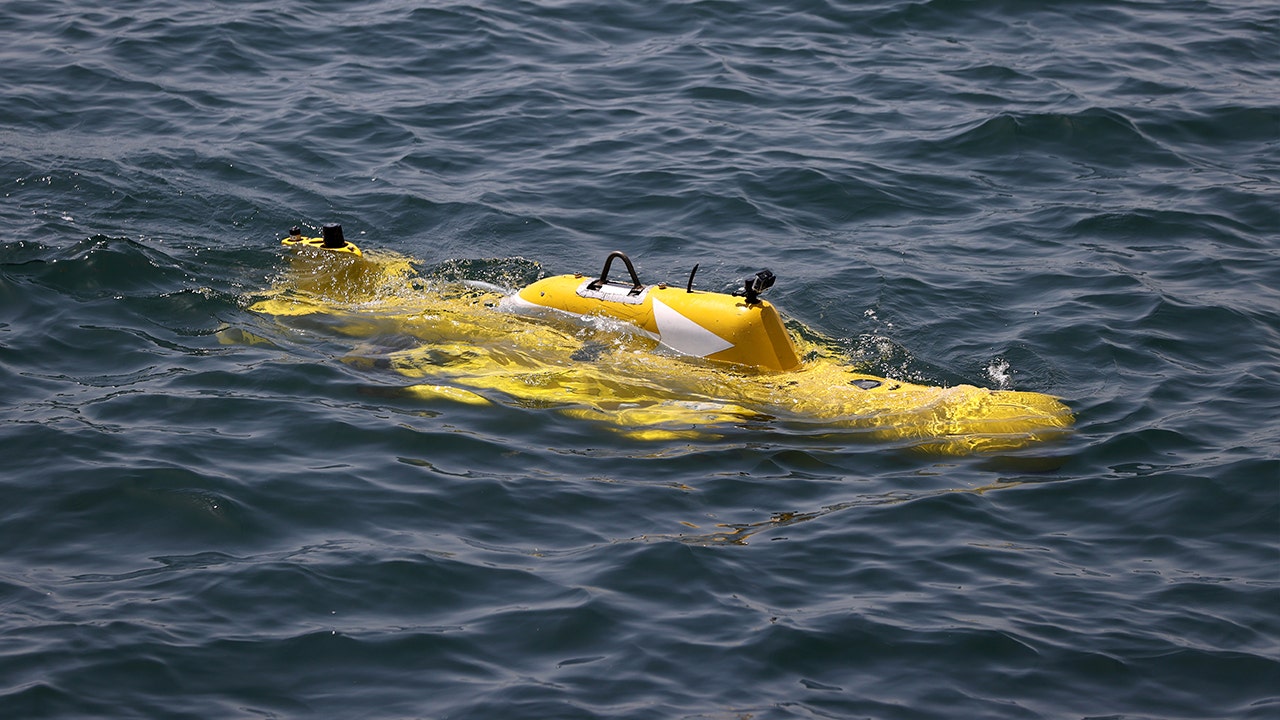
The US Navy is using a mix of legacy ships and newer unmanned systems to clear mines from the Strait of Hormuz. The operation involves deploying underwater drones to map the ocean floor and detect potential threats, followed by the use of surface drones and helicopters to scan for mines. Once mines are located, operators deploy remotely controlled systems to disable them. The process is slow and methodical, and timelines are difficult to predict.
The US is relying on a limited number of unmanned systems, which are still being developed to replace older minesweepers. The Navy has spent years developing these systems, but currently has a limited number available for large-scale operations.
The operation is a performance of military capability, with the US demonstrating its ability to clear mines and keep the strait open. The use of unmanned systems and remotely controlled devices is a key part of this performance, showcasing the Navy’s technological capabilities.
The fact that the US is relying on a limited number of unmanned systems to clear mines from the Strait of Hormuz is a reminder that military operations are often a matter of managing risk and resources.
Author: Evan Null