Source: Fortune
Summary
Despite a ceasefire between the US and Iran, the Strait of Hormuz remains a contested waterway. US forces have counted nearly 1,000 commercial vessels transiting the strait in the past two months, with most being large cargo and container ships. This is significantly more than other reports show. The US military has been quietly aiding ships in transiting the strait, with Central Command insisting it’s not escorting ships but rather offering advice. The alternate lane established by the US Navy has become increasingly important as global oil markets are poised to reach critically low levels. Iran’s ability to stop Hormuz traffic has emerged as its key source of leverage over the US.
Our Reading
The numbers tell one story.
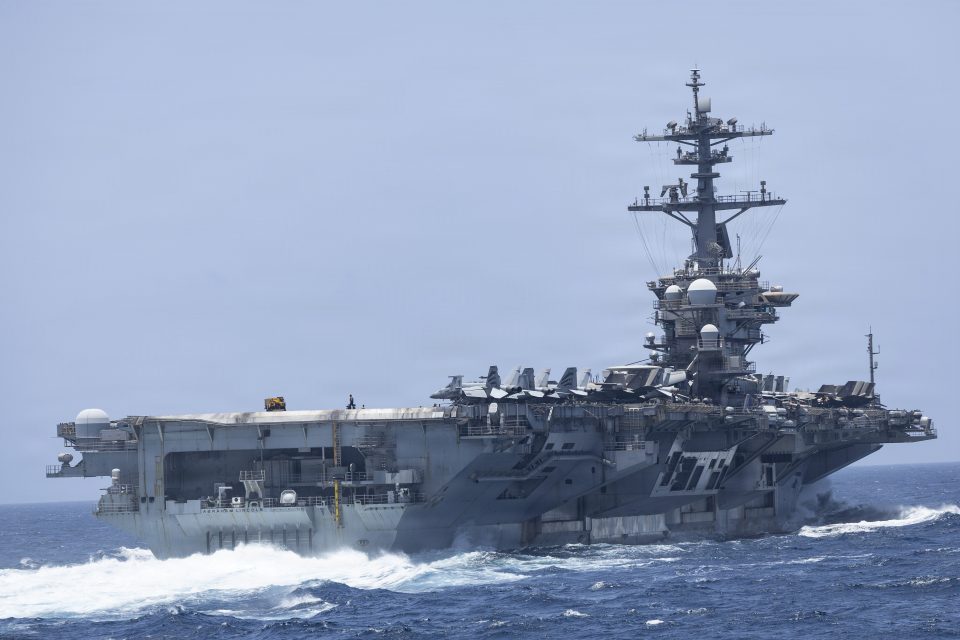
The US military’s “quiet overwatch” has allowed nearly 40 non-Iranian linked vessels to exit the Gulf in the past three weeks. Shipowners have reported Iranian fast boats approaching vessels, only to turn away after US helicopters appeared. The continued flow of Hormuz traffic despite persistent attacks could establish a new normal where the world adapts to the reality of the vital chokepoint remaining at risk. The US military’s actions have effectively created a “lane” for ships to transit the strait, with the US Navy’s mine-clearing operations and escorting of ships. The situation is a delicate balance of power, with the US and Iran engaging in a game of cat and mouse in the Strait of Hormuz.
The US is walking a thin line between protecting its interests and avoiding escalation.
Author: Evan Null