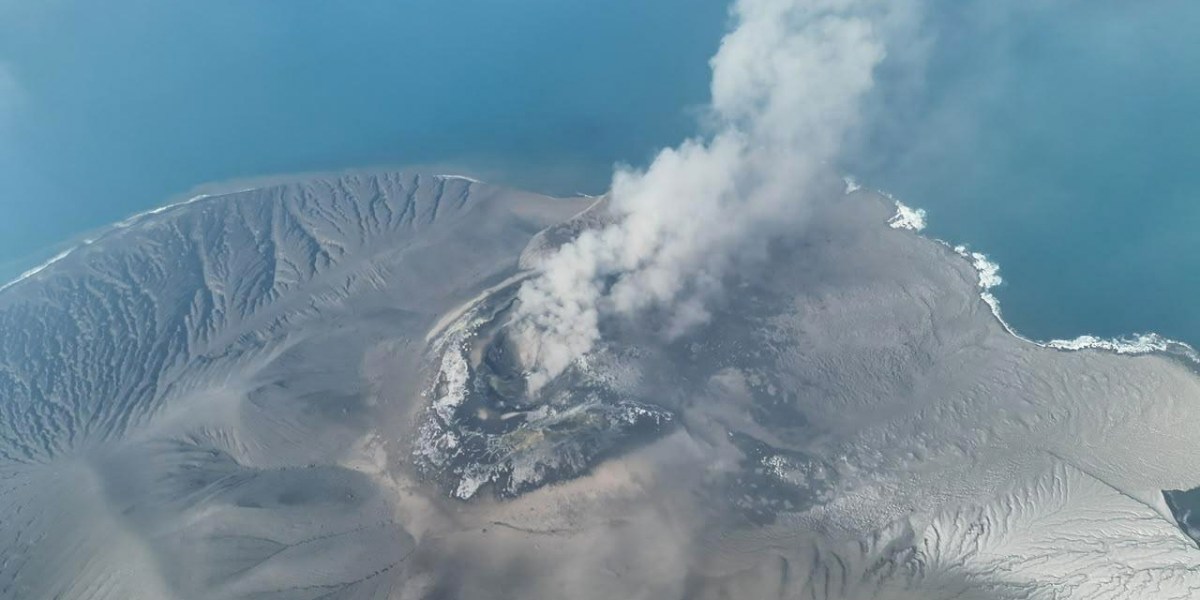
Source: Fortune.com
Summary
A volcanic eruption in Indonesia disrupted air travel and forced the cancellation of 1,558 flights, affecting 170,000 passengers. The Anak Krakatau volcano, located in the Sunda Strait, erupted twice on Sunday, sending ash clouds into the sky. No casualties were reported, but authorities warned residents to stay away from the crater. Airports in Jakarta and other regions were closed, and schools in affected areas moved to online learning. The Geological Agency said the volcano remains active, with no prediction of future eruptions.
Our Reading
The numbers tell one story.
Anak Krakatau erupted twice, sending ash into the sky.
Airports closed, flights canceled, passengers stranded.
No casualties, but safety remains a priority.
Volcanic activity continues, no clear timeline for next steps.
The eruption is a reminder of nature’s power and the limits of human control.
Author: Evan Null
Volcanic Eruption in Indonesia
A volcanic eruption in Indonesia disrupted air travel and forced the cancellation of 1,558 flights, affecting 170,000 passengers. The Anak Krakatau volcano, located in the Sunda Strait, erupted twice on Sunday, sending ash clouds into the sky. No casualties were reported, but authorities warned residents to stay away from the crater. Airports in Jakarta and other regions were closed, and schools in affected areas moved to online learning. The Geological Agency said the volcano remains active, with no prediction of future eruptions.
Impact on Air Travel
The eruption caused the closure of eight airports, including Jakarta’s Soekarno-Hatta International Airport. By Sunday evening, 1,558 flights had been canceled, with 963 of those at the Jakarta airport alone. The closure was ordered until 8:59 a.m. Monday. Airlines and airport operators are working to restore operations, but officials warned of potential cascading disruptions. The eruption also affected services at Bali’s I Gusti Ngurah Rai International Airport and Medan.
Volcanic Activity and Hazards
Indonesia’s volcanology agency and the Darwin Volcanic Ash Advisory Centre identified two ash clouds using satellite imagery. One plume rose to 20,000 feet and drifted over Jakarta, while the second reached 50,000 feet and spread over parts of the Indian Ocean. The Geological Agency said activity at Anak Krakatau has intensified since July, with Sunday’s eruption being the strongest during that period. Officials cannot predict whether a larger eruption will occur, but they continue to monitor the volcano closely.
Public Reaction and Response
Passengers affected by the flight cancellations expressed frustration and uncertainty. Spanish tourist Diego Urdiales said he was supposed to fly home to Madrid but had received no updates. Indonesian passenger Michele Gouw called the situation a “force majeure” and said they had to wait for airline and airport directions. The Ministry of Transportation emphasized that safety remains the top priority in all operational decisions.
Historical Context and Lessons
Anak Krakatau, the offspring of the famous Krakatau, has a history of eruptions. The 1883 eruption of Krakatau triggered global cooling, and a 2018 eruption of Anak Krakatau caused a tsunami that killed at least 430 people. Researchers believe the 2018 eruption led to an underwater landslide and the collapse of a large chunk of the island. Since then, the island has been about a quarter of its original size. The current eruption highlights the ongoing risks associated with volcanic activity in the region.