Source: Retail Brew
Summary
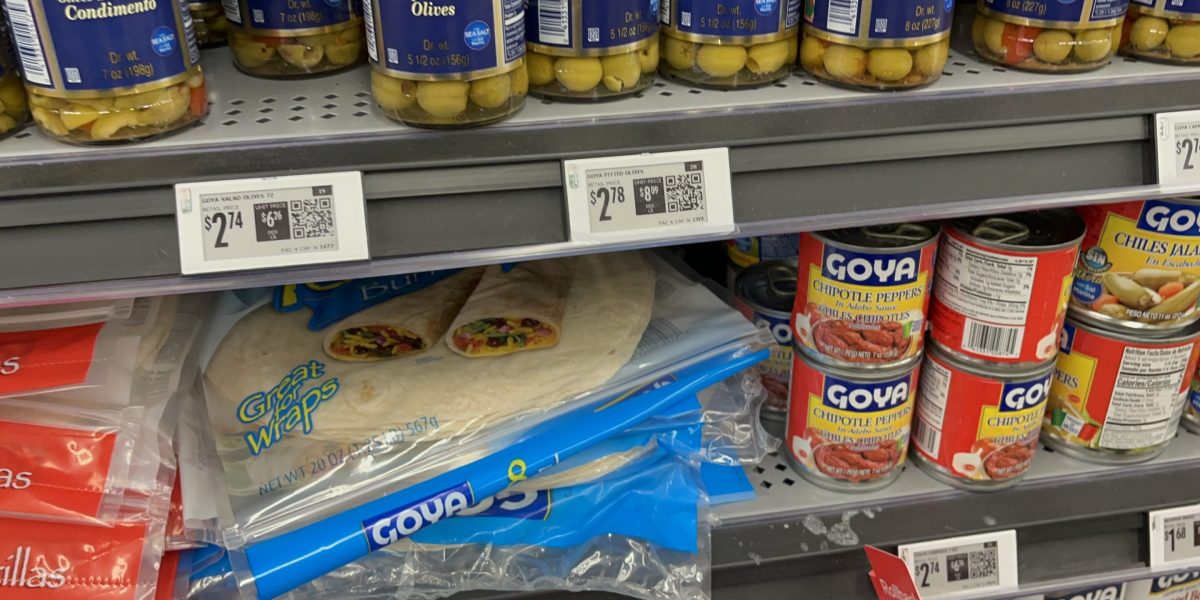
Walmart demonstrated that store associates cannot raise prices using electronic shelf labels (ESLs) at a New Jersey location, emphasizing that price changes occur only at the corporate level. New Jersey’s Fair Price Protection Act, which includes a one-year moratorium on new ESLs, has sparked debate over their potential for discriminatory pricing. Critics argue ESLs enable price manipulation, while retailers claim they improve efficiency. Similar legislation is under consideration in other states, and Walmart plans to roll out ESLs nationwide by year-end. Industry experts say ESLs are not inherently linked to dynamic pricing, but the technology could enable more frequent price changes if misused.
Our Reading
The numbers tell one story.
Walmart shows it can’t raise prices at the store level.
New Jersey law blocks new ESLs for a year.
Retailers say ESLs are for efficiency, not manipulation.
The debate over pricing tech rages on.
Electronic shelf labels don’t let store workers hike prices, but lawmakers aren’t convinced.
Author: Evan Null
Walmart’s Demonstration of Price Control
At a Walmart Supercenter in North Bergen, New Jersey, Victor Lopez, a team leader, attempted to raise the price of a bottle of barbecue sauce using an electronic shelf label. The system prevented the change, highlighting Walmart’s claim that store associates cannot arbitrarily adjust prices. Kyle Boyd, the store manager, confirmed that only price reductions are allowed at the store level, with all pricing changes occurring at the corporate level. This demonstration was part of Walmart’s broader effort to reassure lawmakers and the public that ESLs do not enable price hikes.
New Jersey’s Legislative Pushback
New Jersey Governor Mikie Sherrill signed the Fair Price Protection Act, which includes a one-year moratorium on new electronic shelf labels. The law aims to prevent “discriminatory surveillance pricing,” where personal data is used to set prices. Critics argue that ESLs are a tool for cost savings, while supporters claim they enable price manipulation. The legislation reflects growing concerns about the potential misuse of digital pricing technology, even as Walmart and other retailers push for its continued use.
Industry Responses and Concerns
Walmart and industry groups like the National Grocers Association argue that ESLs are not tools for surge or dynamic pricing but for efficiency and affordability. Macy Lemon, a VP at the National Grocers Association, urged Governor Sherrill to revise the New Jersey law, citing concerns over consumer access to affordable groceries. Meanwhile, labor unions like the UFCW International Union warn that ESLs could lead to price-gouging and job loss, citing examples like Norway, where grocery chains rapidly repriced items after installing digital tags.
Legislative Trends and Retailer Plans
The debate over ESLs is not limited to New Jersey. Maryland passed a similar law earlier this year, and other states are considering similar measures. Walmart plans to expand ESLs to all 2,300 of its U.S. locations by year-end, while Kroger and Whole Foods are also testing the technology. Despite the pushback, retailers continue to see ESLs as a way to reduce errors and streamline pricing. However, the legislative landscape remains uncertain, with lawmakers and unions closely watching how the technology is used.
Expert Perspectives on ESLs
While some industry experts say ESLs are not being used for dynamic pricing, they acknowledge the technology’s potential for more frequent price changes. Asa Farquhar, a retail planning expert, noted that ESLs are primarily used to reduce errors and optimize existing pricing strategies. However, he also warned that the ability to change prices more easily could lead to more frequent adjustments. Despite these concerns, many retailers maintain that human oversight ensures prices are set responsibly, not manipulated for profit.