Source: Fortune
Summary
Warren Buffett stepped down as chairman of Berkshire Hathaway on September 18, 2026, and was succeeded by his son, Howard G. Buffett. Greg Abel, who became CEO in January 2026, continues to lead the company’s operations. Buffett emphasized that Abel exceeded expectations, while Howard will focus on preserving the company’s culture. Berkshire’s capital allocation has shifted, with $39.4 billion spent on equity purchases in the first half of 2026, including a major investment in Alphabet. Buffett will remain on the board as chairman emeritus.
Our Reading
The numbers tell one story.
Buffett steps down, son takes over.
Abel runs the company, Howard guards the culture.
Capital allocation shifts, big bets on Alphabet and Taylor Morrison.
Succession is about culture, not just control.
Author: Evan Null
Warren Buffett’s Final Chapter
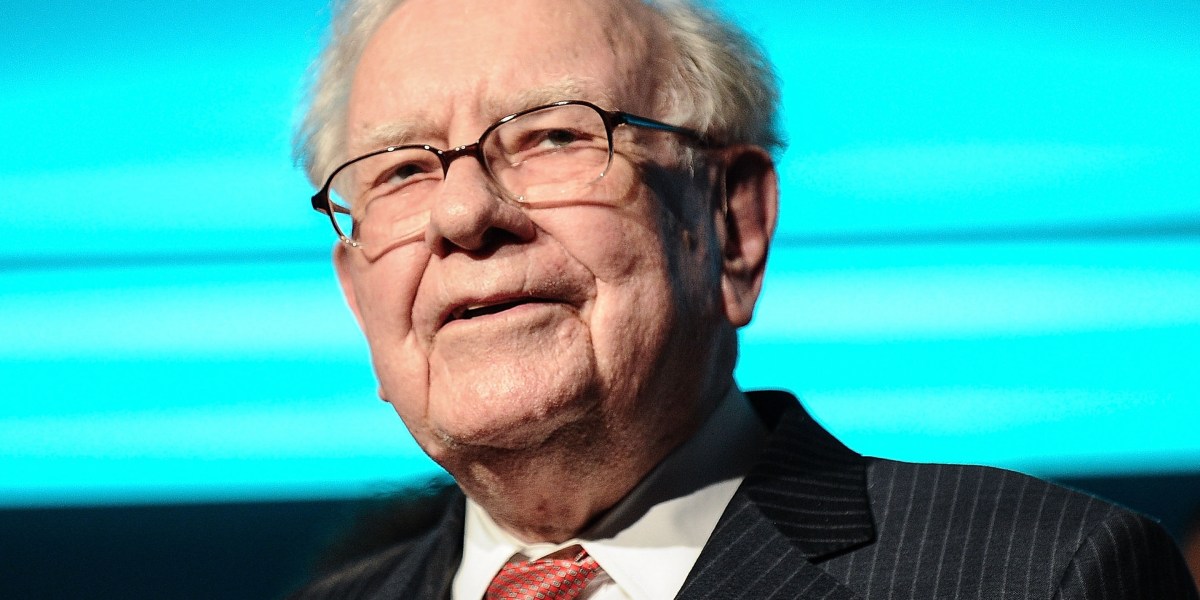
Warren Buffett, at 96, has officially stepped down as chairman of Berkshire Hathaway, ending a six-decade leadership run. His decision to relinquish the role came as a surprise to some investors, despite being described as part of a long-standing succession plan. Buffett’s transition marks the end of an era for the conglomerate, which he built into a financial powerhouse.
A New Leadership Structure
Buffett’s son, Howard G. Buffett, has taken over as chairman, while Greg Abel, who became CEO in January 2026, continues to manage day-to-day operations. Buffett emphasized that Abel has exceeded expectations, and that Howard will focus on preserving the company’s culture and values. This separation of roles reflects a deliberate governance strategy.
Capital Allocation Shifts
Berkshire’s capital allocation has seen a significant shift under Abel’s leadership. The company spent $39.4 billion on equity purchases in the first half of 2026, a fivefold increase from the same period the previous year. This includes a major investment in Alphabet, which has become Berkshire’s third-largest holding, valued at $37.8 billion.
Buffett’s Legacy and the Future
Buffett’s influence on Berkshire remains profound, but the company’s future now rests on Abel’s ability to maintain its disciplined approach while making decisions that may differ from Buffett’s own. The success of the succession plan will depend on whether Abel can preserve the company’s culture and values while navigating new investment opportunities.
The Real Test of Succession
The real test of Berkshire’s leadership transition is not whether Abel can replicate Buffett, but whether he can uphold the company’s values while making bold, unconventional moves. The shift in capital allocation, including a $10 billion commitment to Alphabet’s AI initiatives, signals a new direction for the conglomerate under new leadership.