Source: Fox News
Summary
Senior EPA officials told Fox News Digital that there has been a significant increase in cyberattacks targeting U.S. water systems, shifting from ransomware to attacks aimed at disrupting critical infrastructure. Assistant Administrator Jess Kramer warned that water and wastewater systems are vital to daily life, and failures could impact hospitals, schools, and businesses. Jeff Hall, EPA Assistant Administrator for Enforcement, noted that many water utilities operate outdated infrastructure with weak cybersecurity measures. Recent breaches in Minnesota and Colorado highlighted growing concerns, with attackers manipulating equipment and exposing basic vulnerabilities like unchanging passwords and unsecured systems.
Our Reading
As expected, the matter has reached another stage.
EPA officials repeat warnings about water systems.
Hackers shift focus from money to disruption.
Utilities lack modern security and resources.
Basic mistakes remain common, like forgotten passwords.
Author: Evan Null
Water Systems Under Cyber Threat
Recent reports show a sharp rise in cyberattacks on U.S. water systems, with hackers targeting infrastructure that supports daily life. The Environmental Protection Agency (EPA) has noted a significant increase in these attacks, which now focus on disrupting services rather than financial gain. This shift has raised concerns among officials about the vulnerability of essential systems.
Warnings from EPA Officials
EPA Assistant Administrator Jess Kramer warned that without access to water and wastewater systems, everyday life could collapse. She emphasized that these systems are deeply embedded in daily routines, affecting everything from hospitals to schools. Kramer also mentioned that many attacks stem from basic security failures, such as unchanging passwords and exposed system details.
Old Infrastructure and New Threats
Jeff Hall, another EPA official, highlighted that many water utilities still use outdated infrastructure and lack the resources to improve cybersecurity. He pointed out that some systems are left vulnerable due to the absence of basic protections like firewalls and virtual private networks. This makes them easy targets for hackers seeking to manipulate critical settings.
Recent Breaches and Concerns
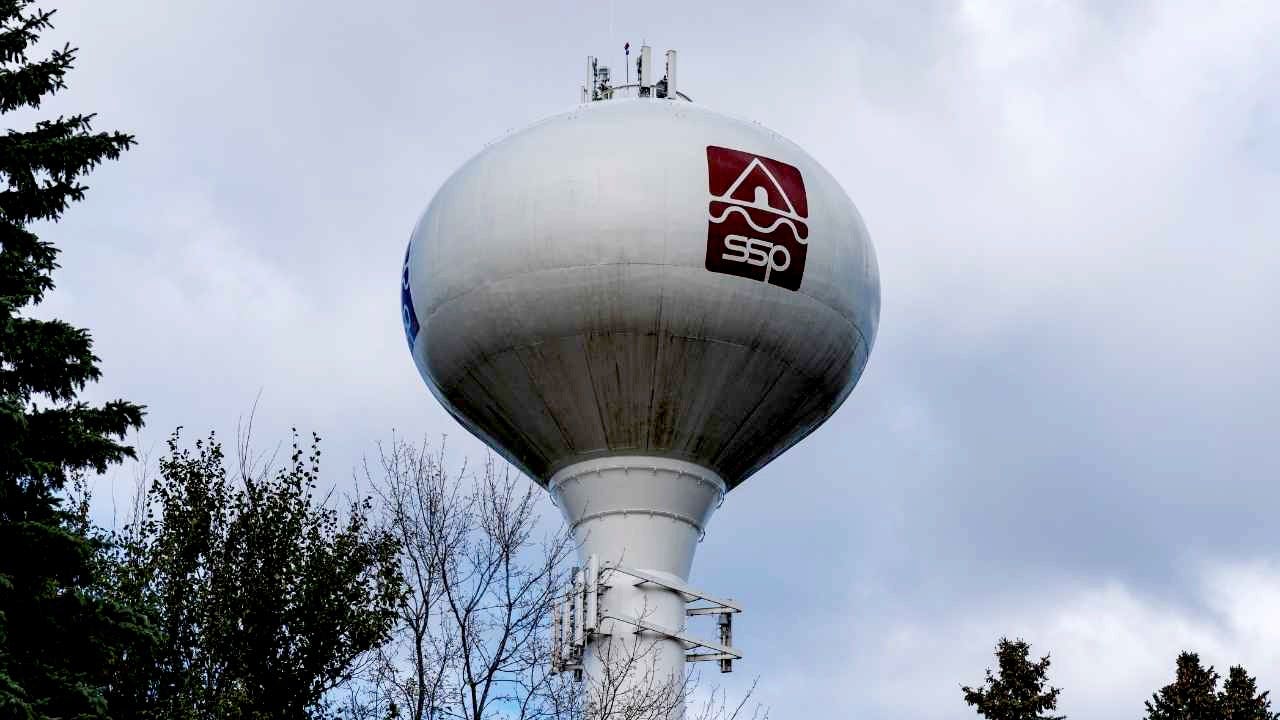
Recent incidents, including a cyberattack on over 30 water systems in Minnesota and breaches in Colorado, have drawn increased attention from federal and state officials. While drinking water remained safe in these cases, the attacks demonstrated the growing risk to critical infrastructure that millions rely on daily. Officials are particularly concerned about the sophistication and intent behind these cyber threats.
Progress and Persistent Risks
Despite the growing threat, some progress has been made as utilities address common vulnerabilities. However, officials remain worried that attackers are becoming more advanced, and many systems still lack proper security measures. The EPA continues to provide support and guidance to help utilities improve their defenses against cyber threats.