Source: BroBible
Summary
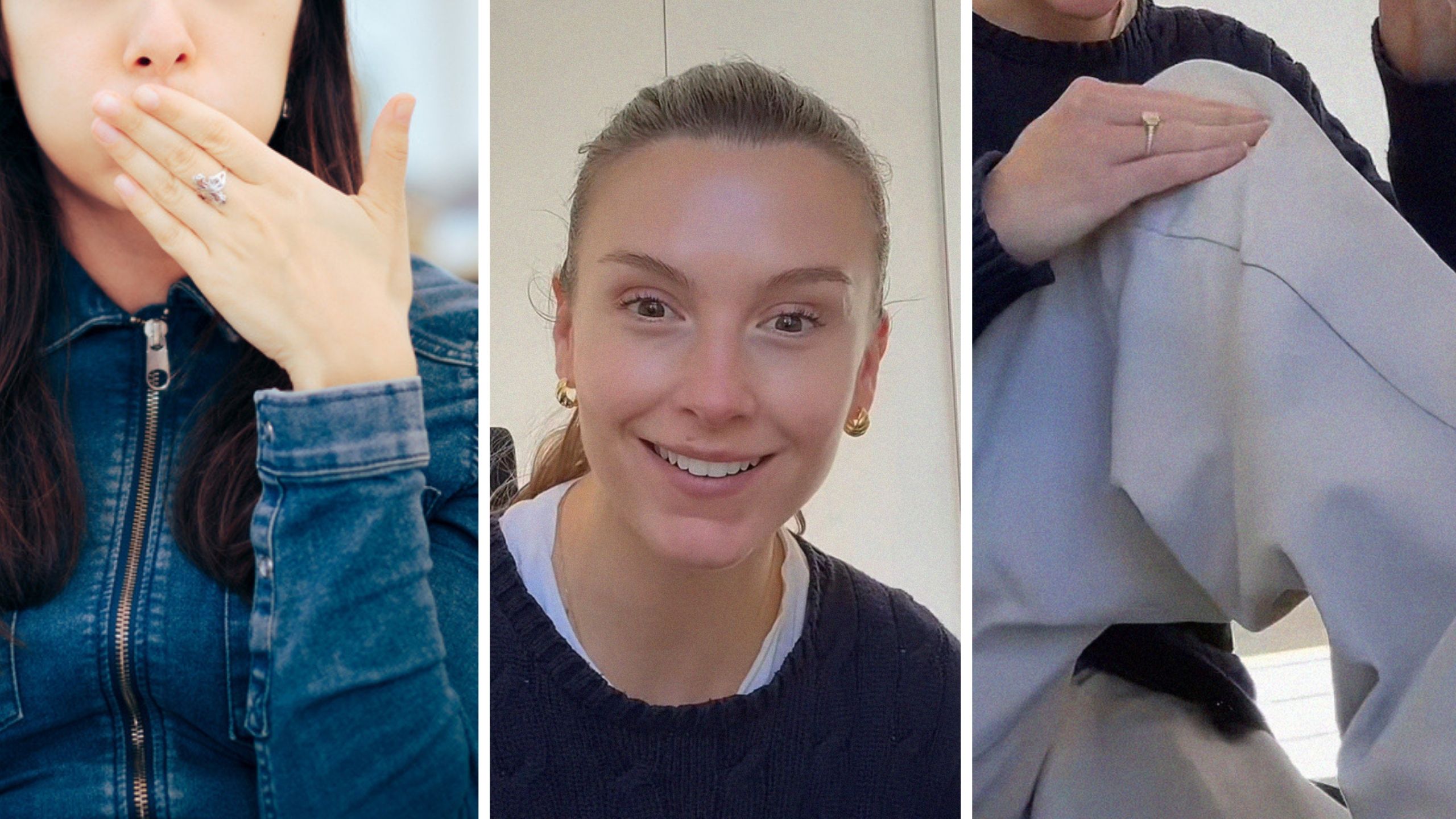
A TikTok user named Tara Berwin shared a method for burping on command and reducing bloating by massaging a specific area on the legs. The technique involves pressing four fingers below the knee on the shin. The post received over 665,000 views. Some users reported success, while others were skeptical. The point mentioned is known in traditional Chinese medicine as ST36, used for digestive issues. The article notes that acupressure can help with gas and bloating, according to the Cleveland Clinic.
Our Reading
The habit gets a new name.
People are massaging their legs like it’s a new workout.
Acupuncture points are now TikTok trends.
Belching is the new self-care.
Modern life is just a series of uncomfortable gas bubbles waiting to be released.
Why This Trend Is Just Another Way To Sell Self-Help
The idea that a simple leg rub can solve digestive issues is nothing new. But now it’s packaged as a TikTok hack, making it feel like a breakthrough. The article mentions that ST36 is an acupuncture point used for indigestion, but that’s not the hook. The hook is the idea that you can fix your bloating without seeing a doctor, just by following a video.
It’s the same formula as every other wellness trend: take an old practice, give it a catchy name, and sell it as a quick fix. People are desperate for solutions, and TikTok is the perfect platform to spread them. The result is a cycle of trends that come and go, each promising relief without real evidence.
The article also highlights the absurdity of the situation. A woman is shocked that a simple massage can make her burp, and others are following along. It’s not that the method is revolutionary—it’s that it’s being marketed as one. The real issue is that people are looking for easy answers, and the internet is happy to provide them.
Even the mention of acupuncture is used to give the trend a veneer of legitimacy. But in reality, the same point has been used for centuries. The only thing that’s changed is the way it’s being sold. Now it’s a TikTok trick, not a traditional practice.
And yet, people are still buying into it. The article ends with the author saying they tried it and it worked, even if it was just a coincidence. That’s the power of the trend—people believe in it because it’s presented as a solution, even if it’s not proven.
The Real Problem Isn’t Bloating, It’s The Need For A Quick Fix
The real issue isn’t the gas or the bloating. It’s the fact that people are looking for a quick fix instead of addressing the root cause. The trend shows how easily people are swayed by social media, even when the solution is nothing more than a simple massage. It’s not that the method is wrong—it’s that it’s being sold as a miracle cure when it’s just a minor adjustment.
The article also points out that the trend is not new. Acupressure has been used for centuries, and the ST36 point is well known in traditional medicine. But now, it’s being repackaged as a TikTok hack, making it seem like a new discovery. That’s the key to the trend: rebranding old ideas as new solutions.
People are drawn to these trends because they offer a sense of control. When you’re bloated and uncomfortable, the idea that you can fix it with a quick massage is appealing. It gives you a sense of agency, even if the method isn’t backed by science. That’s why these trends keep coming back—they tap into a deep need for solutions, even if they’re not always effective.
And yet, the article ends on a note of uncertainty. The author tried the method and it worked, but they don’t know if it was the massage or just a coincidence. That’s the problem with these trends—they’re often based on anecdotal evidence, not scientific proof. But that doesn’t stop people from believing in them.
The trend shows how easily people are influenced by social media. A simple video can turn a traditional practice into a viral sensation, even if it’s not a real solution. The real issue isn’t the method—it’s the way it’s being sold. People are looking for answers, and the internet is happy to give them, even if they’re not always the right ones.
The Trend Is Just Another Way To Sell Wellness
What started as a simple leg massage has turned into a full-blown wellness trend. The article explains that the technique is based on an acupuncture point, but that’s not the main point. The main point is that it’s being sold as a TikTok hack, making it feel like a new discovery. That’s the real power of the trend—it’s not about the method, it’s about the way it’s being marketed.
People are drawn to these trends because they offer a sense of control. When you’re bloated and uncomfortable, the idea that you can fix it with a quick massage is appealing. It gives you a sense of agency, even if the method isn’t backed by science. That’s why these trends keep coming back—they tap into a deep need for solutions, even if they’re not always effective.
The article also points out that the trend is not new. Acupressure has been used for centuries, and the ST36 point is well known in traditional medicine. But now, it’s being repackaged as a TikTok hack, making it seem like a new discovery. That’s the key to the trend: rebranding old ideas as new solutions.
People are drawn to these trends because they offer a sense of control. When you’re bloated and uncomfortable, the idea that you can fix it with a quick massage is appealing. It gives you a sense of agency, even if the method isn’t backed by science. That’s why these trends keep coming back—they tap into a deep need for solutions, even if they’re not always effective.
And yet, the article ends on a note of uncertainty. The author tried the method and it worked, but they don’t know if it was the massage or just a coincidence. That’s the problem with these trends—they’re often based on anecdotal evidence, not scientific proof. But that doesn’t stop people from believing in them.
Author: Evan Null