Source: BroBible
Summary
A woman in Des Moines, Iowa, posted a TikTok video showing a piece of meat labeled “unknown” at Hy-Vee. The item, later confirmed to be alligator, sparked online reactions. Hy-Vee addressed the issue, stating the product was not properly labeled. The video received over 5 million views. The incident raised questions about food labeling and consumer awareness.
Our Reading
The habit gets a new name.
People buy mystery meat without asking questions.
Labels are optional in the grocery store.
Everyone’s a food critic now.
Unknown meat is the new trend.
Author: Evan Null
Ultimate Ingredient House?
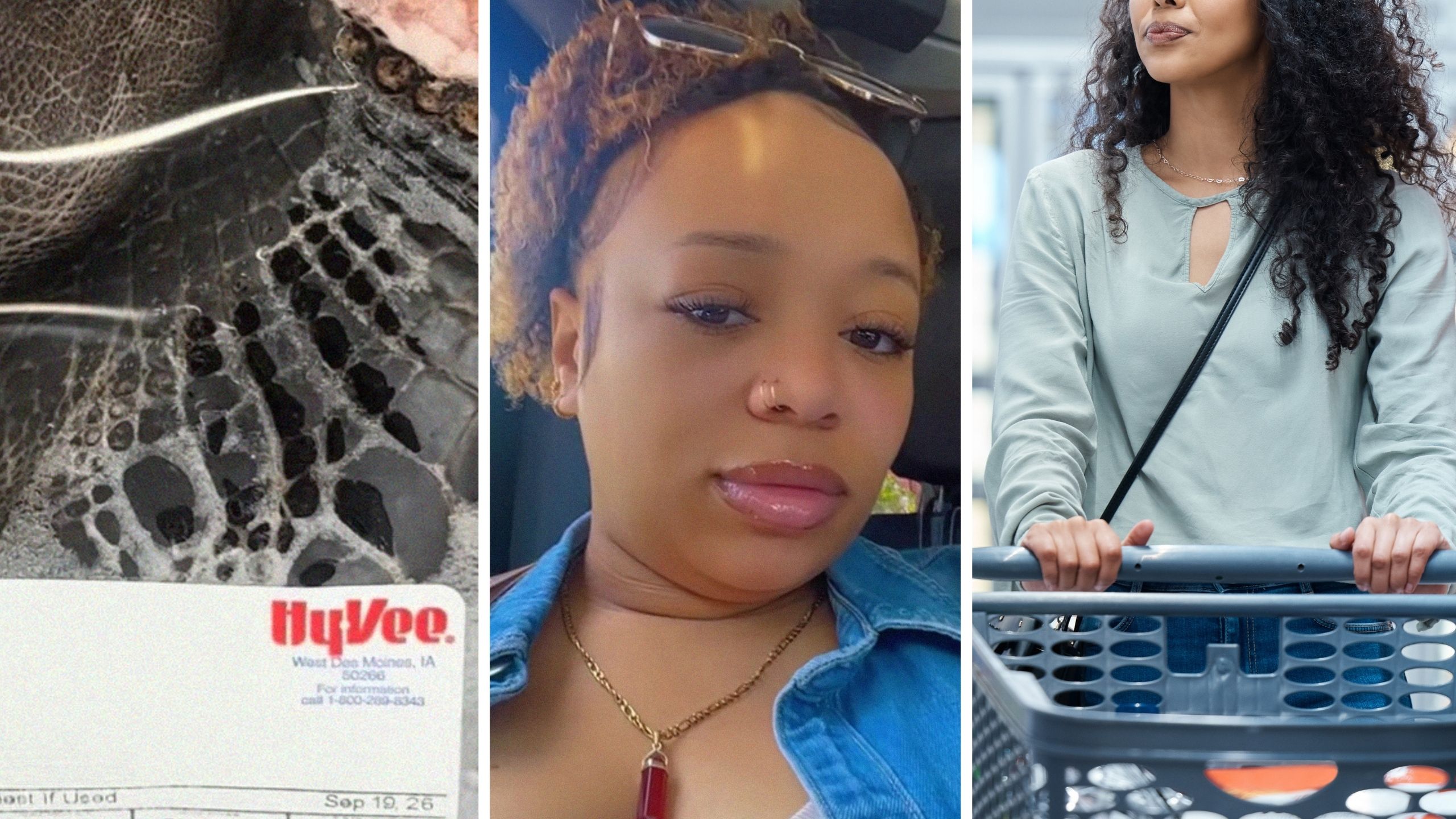
Trotter’s video, which has been viewed over 5 million times, asks a legit question: “What is that?”
At the beginning of her video, the camera is close-up on a typical shrink-wrapped piece of meat. The skin is dark, the flesh is pink, and it looks like Trotter might be near the seafood counter.
However, as she turns the package, and the description becomes clear, the situation only gets murkier. Where the type of animal should be listed, the label says: “Unknown – New Scale Item.”
Her reaction? To pan out, revealing something that looks suspiciously like a claw still attached to something covered in dark scales.
So not only is the type of food unclear, it seems like there’s more processing that needs to happen before it’s edible.
Jokes Are Crawling In
Viewers had a lot of jokes.
“They serving Godzilla,” @okaybrb quipped.
@1flawless_makeup imagined management’s thought process, writing, “Manager said, ‘Put it on sale, they’ll throw butter and Old Bay on it.'”
But @sam83697 isn’t having any fun with what some are calling a dragon foot. “Call the f— health department,” she wrote.
What Are The Rules Around Food Labeling?
Eating alligator might feel taboo because until 1987, the species was on the endangered list. Now though, the reptile—which the Catholic church classifies as fish, so it can be eaten on Fridays during lent—is grown on farms and hunted for sport.
And, as long as it’s properly packaged, labeled, and stored, it is legal to sell.
The obvious next question is, why the feet? Though not a common dish, alligator is edible. The most popular cuts come from the animal’s tail, jaw, and ribs.
With one food writer describing the mild flavor as having “a bit of tooth and swampness about it.” That same writer suggests soaking alligator in milk prior to cooking to help mitigate any swamp essence lingering in the flesh.
What Are The Rules Around Food Labeling?
But the feet of many animals are overlooked in modern, metropolitan cooking. After all, feet aren’t immediately associated with cleanliness or even tenderness.
Yet in more “traditional” cultures, the entirety of an animal is consumed. This might initially be understood in terms of chicken and cows, but it’s logical that it might extend to reptiles for human consumption too.
So apparently, an Iowa grocery store thinks its customers are hungry for reptile feet. A win for the nose-to-tail crowd for sure: a safari for the rest of us.
BroBible reached out to Trotter via TikTok direct message and with a comment on the post.
The Post
The post Woman Goes To Popular Iowa Grocery Store. Then She Sees It Selling ‘Unknown Meat’: ‘Call The Health Department’ appeared first on BroBible.