Source: Fortune
Summary
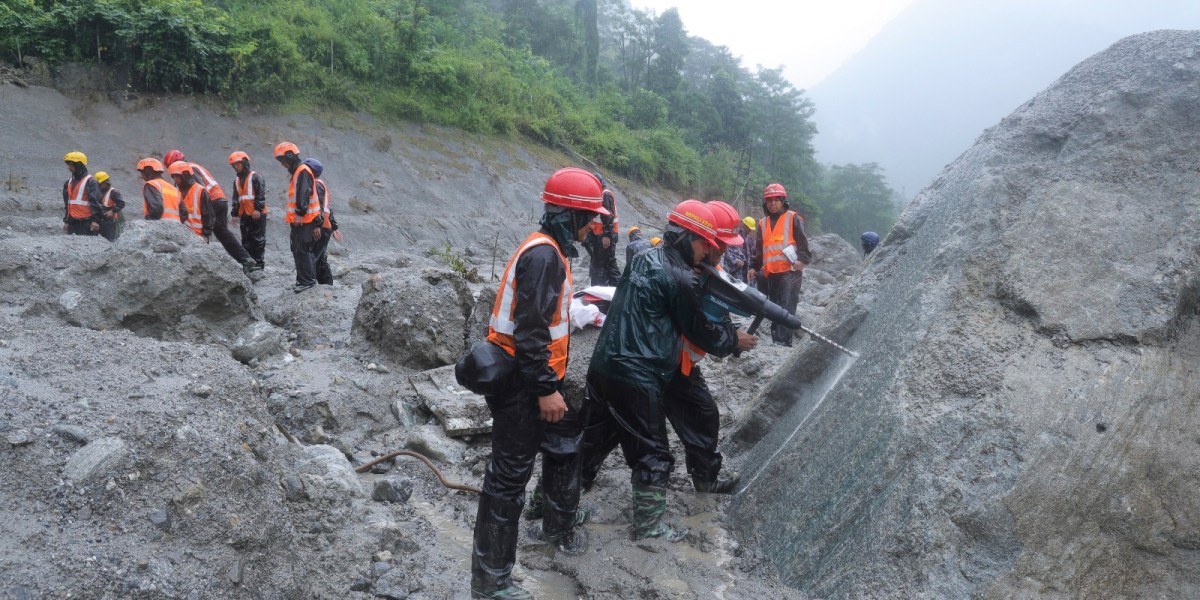
Workers in Nepal cleared debris from a flood-damaged power station, aiming to restore electricity to 20,000 people. At least 900 workers are missing from hydropower projects, with over 900 deaths and 4,700 missing in Nepal and China. The floods caused 700 megawatts of power capacity to go offline. Experts urged authorities to rebuild with resilience, not just replacement, and to consider climate risks in future infrastructure planning. A report estimated $124 billion in Nepal’s infrastructure is at risk from climate disasters.
Our Reading
The announcement sounds familiar.
Workers dig through mud, trying to restore power.
900 missing, 900 dead, 4,700 missing.
Experts warn of climate risks and infrastructure vulnerabilities.
Rebuilding with resilience, not just replacement, is the new mantra.
Disasters are forcing a reevaluation of how and where infrastructure is built.
Author: Evan Null
Workers Clear Debris, but Questions Remain
Workers in Nepal are working to clear thick mud from a power station damaged by floods, aiming to restore electricity to 20,000 people. However, the situation remains dire, with 900 workers unaccounted for and over 900 deaths reported in Nepal and China. The floods have caused significant damage to hydropower infrastructure, taking 700 megawatts offline, which is about 10% of Nepal’s power capacity.
Many workers are trapped in tunnels, which were built to access hydropower infrastructure and divert water. These tunnels are large enough to drive trucks through, but the flooding has left many of them stranded. In addition to the hydropower projects, roads, bridges, schools, and hospitals have also been destroyed.
Experts like Jakob Steiner and Ramraj Narasimhan emphasize the need for rebuilding with resilience, not just replacement. They suggest focusing on continuity of services rather than making every structure indestructible. This includes choosing better locations, alternate routes, backup power, and improved early warning systems.
Narasimhan’s organization estimates that $124 billion worth of Nepal’s infrastructure is exposed to climate-driven disasters. A report found that Nepal’s average annual losses from disasters are nearly $760 million, far exceeding the country’s national disaster funds. This highlights the urgent need for better planning and risk assessments.
The Himalayan region is particularly vulnerable to climate change, with glaciers losing ice at an accelerating rate and increased risks of floods and landslides. Hydropower is a critical part of Nepal’s energy grid and economy, but its infrastructure is closely tied to steep river corridors, making it highly susceptible to disasters.
Climate Risks Grow for Himalayan Hydropower
Climate scientists warn that the Himalayan region is warming faster than many other parts of the world, increasing the risk of disasters. The recent floods add to evidence that infrastructure planning must account for more frequent and severe climate events. Glaciers are losing ice rapidly, and unstable slopes, glacial lakes, and erratic rainfall are raising the risks of floods, landslides, and debris flows.
The stakes are high for Nepal, as hydropower is both a foundation of its electricity grid and a key source of economic growth and export revenue. However, much of the country’s potential is run-of-river hydropower, which is closely tied to steep river corridors where hazards can cascade quickly.
Experts like Steiner suggest that smaller floods can sometimes be managed with diversions, but large events like the recent flood can overwhelm physical defenses. Early warning systems are critical for protecting people, but the recent flood was detected too late to save many workers.
The disaster is likely to intensify scrutiny of future hydropower projects. Himanshu Thakkar argues that environmental, social, and disaster-risk assessments must reflect the specific landscape and past hazards of each valley. He also suggests that Nepal should consider more decentralized solar power as part of a broader energy mix.
The question now is not just how fast Nepal can rebuild, but what it chooses to put back in the path of the next flood. This raises important questions about the future of infrastructure planning in a changing climate.
Rebuilding for Resilience, Not Just Replacement
Hydropower projects that were operating or under construction were fully or partly destroyed across several districts in Nepal. Many workers are still trapped in tunnels, waiting to be rescued. The tunnels, built to access hydropower infrastructure and divert water, are large enough to drive trucks through, but the recent floods have left many of them stranded.
In addition to the hydropower projects, tens of kilometers of roads, multiple bridges, and essential buildings like schools and hospitals have been destroyed. This highlights the widespread impact of the floods and the urgent need for recovery efforts.
Experts like Ramraj Narasimhan emphasize the importance of rebuilding with resilience, not just replacement. He suggests focusing on continuity of services rather than making every structure indestructible. This includes choosing better locations, alternate routes, backup power, and improved early warning systems.
Narasimhan’s organization estimates that $124 billion worth of Nepal’s infrastructure is exposed to climate-driven disasters. A report found that Nepal’s average annual losses from disasters are nearly $760 million, far exceeding the country’s national disaster funds. This highlights the urgent need for better planning and risk assessments.
The recent floods have forced a reevaluation of how and where infrastructure is built. Experts are calling for a shift from rebuilding the same vulnerable structures to creating more resilient systems that can withstand future disasters.
Climate Change and Infrastructure Vulnerability
The Himalayan region is particularly vulnerable to climate change, with glaciers losing ice at an accelerating rate and increased risks of floods, landslides, and debris flows. Climate scientists warn that infrastructure planning must account for more frequent and severe climate events. This is especially important for Nepal, where hydropower is a critical part of the electricity grid and economy.
Hydropower projects are often built in steep river corridors, making them highly susceptible to disasters. Run-of-river hydropower, which is common in Nepal, is closely tied to these areas, increasing the risk of cascading hazards. Experts suggest that future projects must consider these risks and incorporate more resilient designs.
The recent floods have raised questions about the effectiveness of current infrastructure planning. Many experts argue that the focus should shift from simply rebuilding what was lost to creating systems that can withstand future disasters. This includes better risk assessments, improved early warning systems, and more diversified energy sources.
Himanshu Thakkar, a coordinator with the South Asia Network on Dams, Rivers and People, emphasizes the need for environmental, social, and disaster-risk assessments that reflect the specific landscape and past hazards of each valley. He also suggests that Nepal should consider more decentralized solar power as part of a broader energy mix.
The disaster has highlighted the urgent need for a more resilient approach to infrastructure planning. As climate change continues to increase the frequency and severity of disasters, Nepal must rethink how it builds and maintains its critical systems.
Rebuilding with a Focus on Climate Resilience
Experts are urging Nepal to focus on rebuilding with climate resilience in mind. This means not just restoring what was lost, but creating systems that can withstand future disasters. The recent floods have exposed the vulnerabilities of existing infrastructure, particularly in hydropower and other critical sectors.
One key recommendation is to incorporate redundancy into the system, ensuring that if one part is damaged, others can still function. This includes choosing better locations for construction, alternate routes, backup power, and improved early warning systems. Risk assessments should also examine where rivers bend, where slopes are unstable, and where a single failure could cut off several communities.
The $124 billion in exposed infrastructure highlights the scale of the challenge. A report found that Nepal’s average annual losses from disasters are nearly $760 million, far exceeding the country’s national disaster funds. This underscores the need for more comprehensive planning and investment in resilient infrastructure.
Climate scientists warn that the Himalayan region is warming faster than many other parts of the world, increasing the risk of disasters. This means that future infrastructure planning must account for more frequent and severe climate events. The recent floods are a stark reminder of the need for a more resilient approach to development.
As Nepal moves forward with recovery efforts, the focus must shift from simply rebuilding to creating systems that can withstand the growing risks of climate change. This will require a fundamental shift in how infrastructure is planned, built, and maintained.