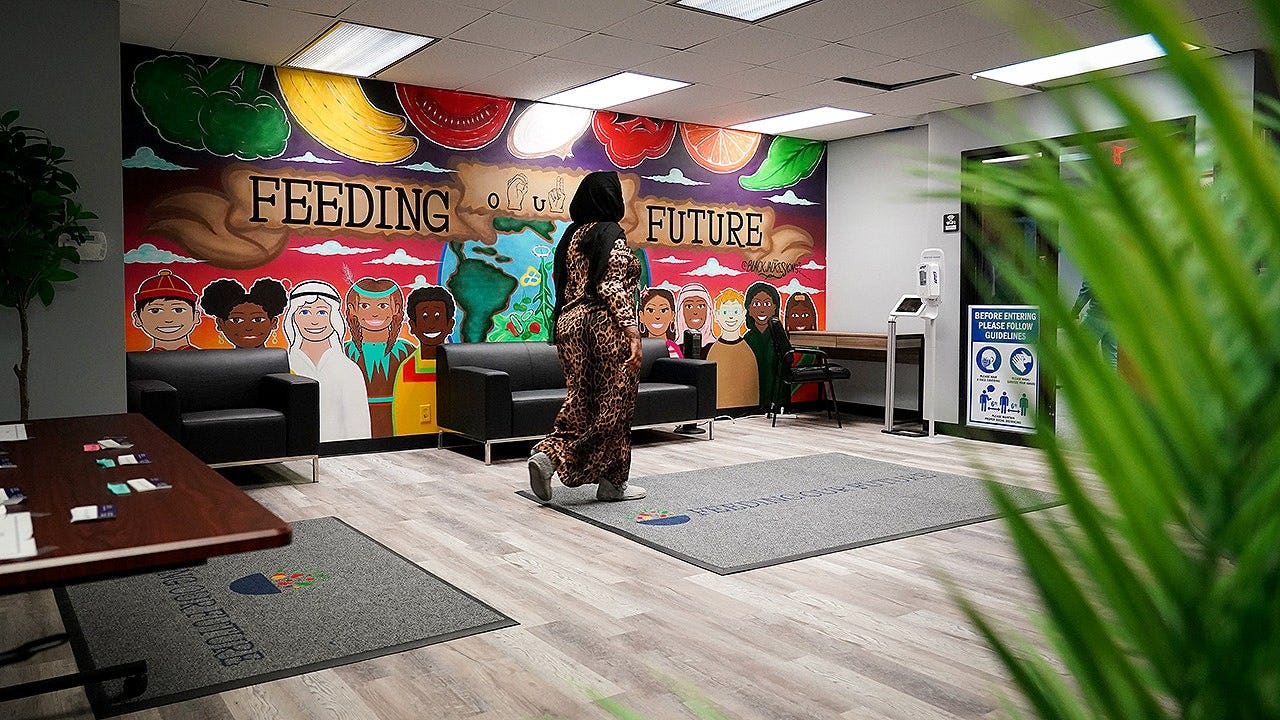
Source: Fox News
Summary
A recent Fox News survey found that 71% of registered voters believe fraud in government welfare and social service programs is extremely or very common, with 45% thinking it has increased over the past two years. However, 56% of voters prioritize ensuring benefits for eligible people over fraud prevention. The survey also found that voters are split on who bears more responsibility for fraud, with 50% blaming individuals misrepresenting eligibility and 50% blaming organizations and contractors misrepresenting costs. Additionally, the survey found that voters trust their state governments more than the federal government to prevent fraud.
Our Reading
As expected, the matter has reached another stage.
The survey’s findings are presented as a reflection of voters’ concerns about welfare fraud, but also as a demonstration of the complexities of addressing the issue. The poll’s results are framed as a challenge for policymakers, who must balance the need to prevent fraud with the need to ensure that eligible recipients receive benefits. The survey’s language and tone suggest a sense of inevitability, as if the existence of welfare fraud is a given and the only question is how to address it. The poll’s findings are also presented as a reflection of partisan divisions, with Democrats and Republicans differing on who bears more responsibility for fraud and how to prioritize prevention versus access to benefits. The survey’s conclusion that voters trust their state governments more than the federal government to prevent fraud is presented as a notable finding, but one that is not surprising given the current political climate.
The survey’s focus on welfare fraud can be seen as a performance of concern for the issue, with the poll’s findings serving as a kind of ritualistic affirmation of the problem’s existence. The survey’s language and tone suggest a sense of familiarity with the issue, as if it is a well-worn topic that is regularly revisited in public discourse. The poll’s findings can be seen as a kind of script, with the survey’s questions and answers serving as a kind of ritualistic exchange between the pollsters and the respondents.
Author: Evan Null