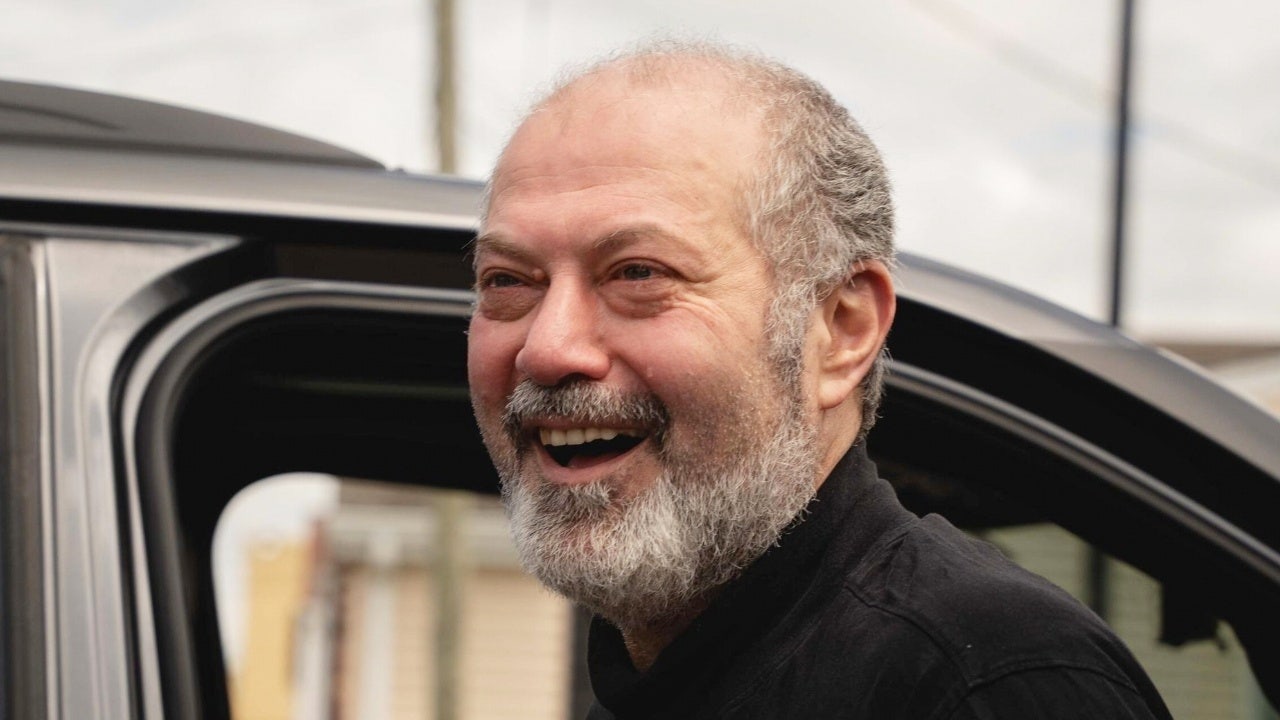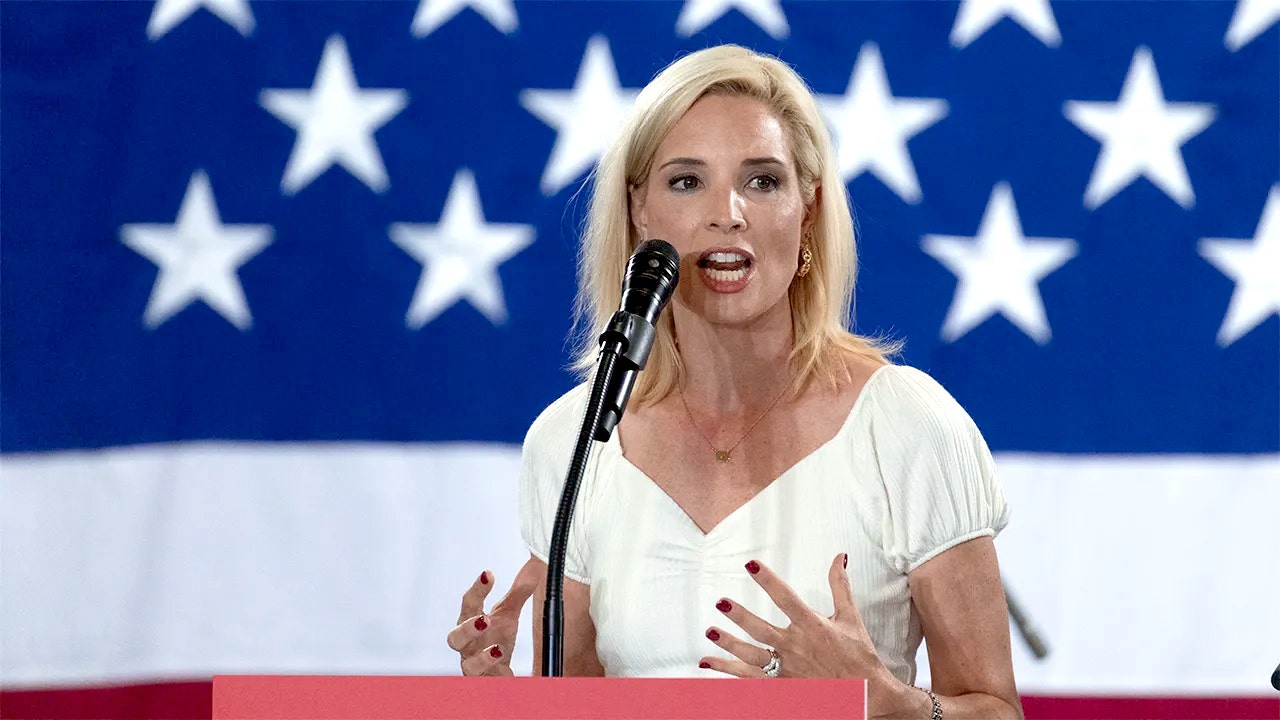
Source: FOX NEWS
Summary
A Fox News survey shows Iowa’s U.S. Senate race between Democrat Josh Turek and Republican Ashley Hinson is tightly contested, with Turek leading by 2 points among likely voters and 4 points among registered voters. Both candidates are performing close to their party’s support levels. Turek has stronger backing among women, suburban voters, and independents, while Hinson leads among men, rural voters, and White evangelical Christians. Economic concerns and the cost of living are top issues for voters, with Turek favored among those prioritizing these topics. Hinson faces challenges with her approval ratings and concerns about her ties to former President Donald Trump.
Our Reading
As expected, the matter has reached another stage.
Turek leads in polls, Hinson trails.
Both candidates match their party’s support.
Independents favor Turek, rural voters Hinson.
Cost of living matters more than Trump or AI.
Author: Evan Null
Key Factors in the Iowa Senate Race
Economic concerns and party loyalty are central to the Iowa Senate race. A Fox News survey shows Democrat Josh Turek with a two-point lead over Republican Ashley Hinson, 49% to 47%, within the margin of error. Among registered voters, Turek leads by 4 points, 50% to 46%. The race remains tight due to Iowa’s partisan structure, where more voters identify as Republicans than Democrats.
Democrats are more unified behind Turek, with 96% support, compared to 87% for Republicans behind Hinson. Independents favor Turek by two-to-one, and 10% of Republicans back him. The race is influenced by economic pressure, with 4 in 10 Iowans saying their families are falling behind financially, and they back Turek by a 38-point margin.
Cost of living is the top issue for voters, with 6 in 10 saying it will be extremely important to their Senate vote. Turek has the advantage among voters who prioritize cost of living, Trump, and AI, while Hinson is favored by those prioritizing immigration. Hinson’s challenge includes her approval ratings, with 50% having an unfavorable view, and concerns about her ties to Trump.
Turek has stronger support among women, suburban voters, and those with a college degree. Hinson leads among men, those without a college degree, and rural voters. She also has strong support among White evangelical Christians. More voters are concerned Hinson is too close to Trump than worry Turek is too liberal.
Despite the tight race, Iowa has not elected a Democrat to the Senate in 18 years. The governor’s race also shows a Democratic lead, with Democrat Rob Sand ahead of Republican Zach Lahn by 53-44%. Turek’s support is bolstered by independents and some Republican voters, while Hinson’s lead is narrower and more vulnerable.
Partisan Dynamics and Voter Preferences
Democrats are more unified behind Turek, with 96% support, compared to 87% for Republicans behind Hinson. Independents favor Turek by two-to-one, and 10% of Republicans back him. The race is influenced by economic pressure, with 4 in 10 Iowans saying their families are falling behind financially, and they back Turek by a 38-point margin.
Cost of living is the top issue for voters, with 6 in 10 saying it will be extremely important to their Senate vote. Turek has the advantage among voters who prioritize cost of living, Trump, and AI, while Hinson is favored by those prioritizing immigration. Hinson’s challenge includes her approval ratings, with 50% having an unfavorable view, and concerns about her ties to Trump.
Turek has stronger support among women, suburban voters, and those with a college degree. Hinson leads among men, those without a college degree, and rural voters. She also has strong support among White evangelical Christians. More voters are concerned Hinson is too close to Trump than worry Turek is too liberal.
Despite the tight race, Iowa has not elected a Democrat to the Senate in 18 years. The governor’s race also shows a Democratic lead, with Democrat Rob Sand ahead of Republican Zach Lahn by 53-44%. Turek’s support is bolstered by independents and some Republican voters, while Hinson’s lead is narrower and more vulnerable.
Both candidates are performing close to their party’s ceiling, with Turek’s lead in the Senate race reflecting broader trends in Iowa’s political landscape. The race remains competitive, with economic concerns and party loyalty shaping voter decisions.
Economic Pressures and Voter Behavior
More than 4 in 10 Iowans say their families are falling behind financially, and they back Turek by a 38-point margin. Those who are holding steady or getting ahead favor Hinson, with 14 and 53 points respectively. The cost of living is the top issue for voters, with 6 in 10 saying it will be extremely important to their Senate vote. This outpaces other top issues like President Donald Trump, immigration, and AI technology.
Turek has the advantage among voters who say the cost of living, Trump, and AI are each extremely important to their vote. Voters prioritizing immigration favor Hinson. Hinson’s challenge includes her approval ratings, with 50% having an unfavorable view, and concerns about her ties to Trump. More voters are concerned Hinson is too close to Trump than worry Turek is too liberal.
Trump’s ratings are mixed in Iowa, with 57% disapproving of his job performance and 42% approving. Hinson’s lead is narrower and more vulnerable, with 42% viewing her positively and 50% having an unfavorable view. Turek’s ratings are net positive, with 48% favorable to 40% unfavorable. More of Turek’s backers are committed to his campaign, with 88% certain of their choice compared to 77% for Hinson.
Recent history and the state’s partisan makeup suggest Hinson can pull this out, but warning signs are clear. Iowa Republicans seem ambivalent, independents prefer Turek, and even her supporters say they aren’t sure. The race remains tight, with economic concerns and party loyalty shaping voter decisions.
The governor’s race also shows a Democratic lead, with Democrat Rob Sand ahead of Republican Zach Lahn by 53-44%. Sand’s lead comes from strong support among Democrats, independents, and some Republicans. Turek’s support is bolstered by independents and some Republican voters, while Hinson’s lead is narrower and more vulnerable.
Political Trends and Electoral Outlook
Iowa has not elected a Democrat to the Senate in 18 years, and it’s been 20 years since they elected a Democrat as governor. The governor’s race shows a Democratic lead, with Democrat Rob Sand ahead of Republican Zach Lahn by 53-44%. Sand’s lead comes from strong support among Democrats, independents, and some Republicans. Turek’s support is bolstered by independents and some Republican voters, while Hinson’s lead is narrower and more vulnerable.
Both candidates are performing close to their party’s ceiling, with Turek’s lead in the Senate race reflecting broader trends in Iowa’s political landscape. The race remains competitive, with economic concerns and party loyalty shaping voter decisions. Hinson faces challenges with her approval ratings and concerns about her ties to Trump.
More voters are concerned Hinson is too close to Trump than worry Turek is too liberal. Turek has stronger support among women, suburban voters, and those with a college degree. Hinson leads among men, those without a college degree, and rural voters. She also has strong support among White evangelical Christians.
The race remains tight, with economic concerns and party loyalty shaping voter decisions. Hinson’s lead is narrower and more vulnerable, with 42% viewing her positively and 50% having an unfavorable view. Turek’s ratings are net positive, with 48% favorable to 40% unfavorable. More of Turek’s backers are committed to his campaign, with 88% certain of their choice compared to 77% for Hinson.
Recent history and the state’s partisan makeup suggest Hinson can pull this out, but warning signs are clear. Iowa Republicans seem ambivalent, independents prefer Turek, and even her supporters say they aren’t sure. The race remains competitive, with economic concerns and party loyalty shaping voter decisions.
Public Perception and Campaign Dynamics
Hinson faces challenges with her approval ratings, with 50% having an unfavorable view, and concerns about her ties to Trump. More voters are concerned Hinson is too close to Trump than worry Turek is too liberal. Turek has stronger support among women, suburban voters, and those with a college degree. Hinson leads among men, those without a college degree, and rural voters. She also has strong support among White evangelical Christians.
The race remains tight, with economic concerns and party loyalty shaping voter decisions. Hinson’s lead is narrower and more vulnerable, with 42% viewing her positively and 50% having an unfavorable view. Turek’s ratings are net positive, with 48% favorable to 40% unfavorable. More of Turek’s backers are committed to his campaign, with 88% certain of their choice compared to 77% for Hinson.
Recent history and the state’s partisan makeup suggest Hinson can pull this out, but warning signs are clear. Iowa Republicans seem ambivalent, independents prefer Turek, and even her supporters say they aren’t sure. The race remains competitive, with economic concerns and party loyalty shaping voter decisions.
The governor’s race also shows a Democratic lead, with Democrat Rob Sand ahead of Republican Zach Lahn by 53-44%. Sand’s lead comes from strong support among Democrats, independents, and some Republicans. Turek’s support is bolstered by independents and some Republican voters, while Hinson’s lead is narrower and more vulnerable.
Both candidates are performing close to their party’s ceiling, with Turek’s lead in the Senate race reflecting broader trends in Iowa’s political landscape. The race remains competitive, with economic concerns and party loyalty shaping voter decisions. Hinson faces challenges with her approval ratings and concerns about her ties to Trump.