Source: New York City Government
Summary
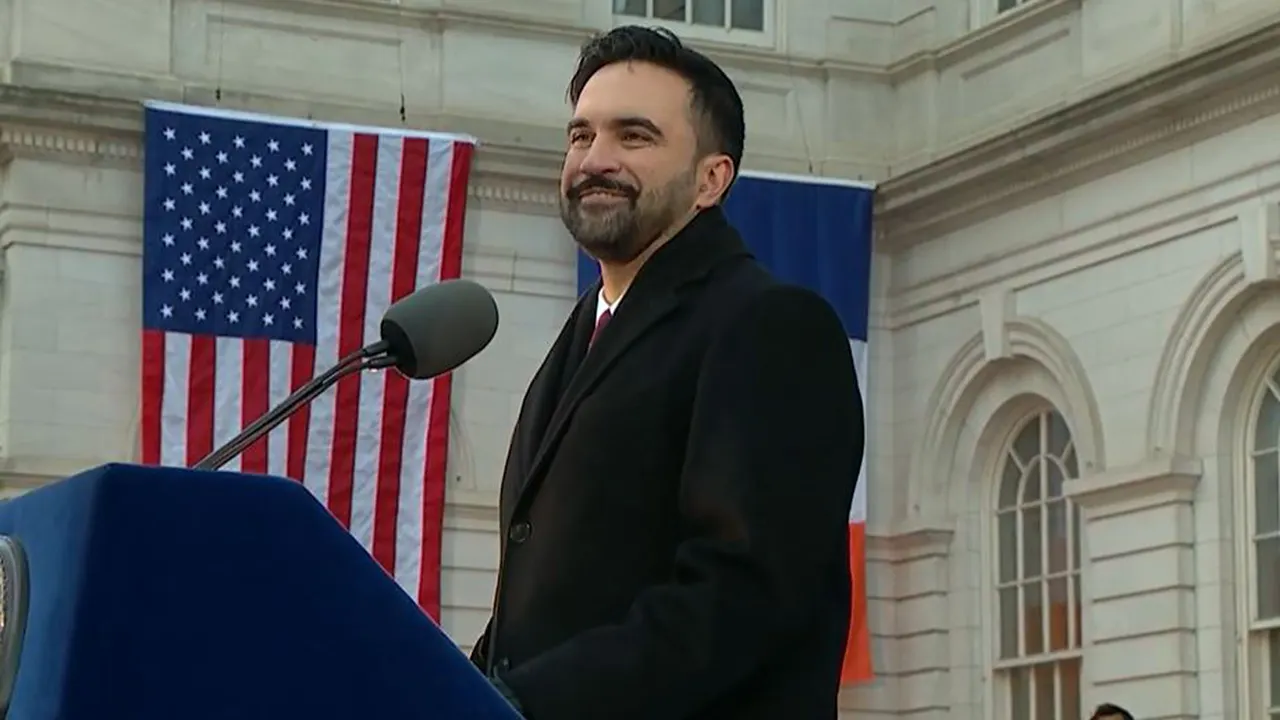
New York City Mayor Zohran Mamdani announced plans to combat antisemitism on Tuesday, including the creation of an Interagency Task Force. The plan does not define antisemitism or formally recognize Israel. Mamdani emphasized the city’s responsibility to protect Jewish residents, citing a rise in hate crimes. In 2026, antisemitic acts accounted for 9% of hate crimes, with 181 recorded incidents. The proposal includes increased funding and interagency cooperation but avoids adopting a specific definition of antisemitism.
Our Reading
As expected, the matter has reached another stage.
Mamdani announces a task force without a definition.
He avoids recognizing Israel as he speaks of Jewish safety.
Hate crime numbers rise, but the plan remains vague.
The city’s first Muslim mayor faces scrutiny over Jewish community support.
Author: Evan Null
Mayor’s Announcement and the Omission of Definition
Mayor Zohran Mamdani’s announcement of plans to combat antisemitism came with a notable omission. He did not provide a definition for antisemitism, a detail that has drawn attention. The mayor also did not formally recognize Israel, which has raised questions about his stance on Jewish issues. Despite this, he emphasized the city’s responsibility to protect Jewish residents. The plan includes the creation of an Interagency Task Force to Combat Antisemitism. This move has put Mamdani under renewed scrutiny as he faces allegations of lacking support for the Jewish community.
Hate Crime Data and Public Response
The plan was announced amid rising antisemitic hate crimes in New York City. According to NYPD reporting, antisemitic acts accounted for 9% of hate crimes in 2026. The city has seen a 16% increase in hate crimes compared to the previous year. The mayor’s office has not provided a direct response to these figures. Instead, Mamdani focused on the need for solidarity with Jewish communities. He stated that Jewish New Yorkers should feel safe in the city, but many have expressed doubt about this promise.
Funding Increases and Agency Cooperation
The proposal includes a significant increase in funding for combating hate crimes. The budget for this effort is set to rise from $3 million to $29 million annually. The plan also outlines cooperation pathways between the NYPD, the Office for Prevention of Hate Crimes, and the Commission on Human Rights. This collaboration aims to improve the city’s response to antisemitism. The mayor’s office has not provided further details on how this funding will be allocated or how the agencies will work together.
Memorial and Cultural Initiatives
In addition to the task force, the plan includes funding for cultural and memorial projects. $2 million is designated for the Queens Holocaust memorial, and $2.5 million is allocated for the Center for New Jewish Culture in Brooklyn. These initiatives are intended to support Jewish cultural heritage. However, critics argue that the plan lacks a clear strategy for addressing the root causes of antisemitism. The focus on memorials and cultural projects has drawn mixed reactions from the community.
Public and Political Reactions
The announcement has sparked a range of reactions from the public and political figures. Some have praised the increased funding and interagency cooperation. Others have criticized the lack of a definition for antisemitism and the omission of Israel. Rabbis and community leaders have expressed concerns about the plan’s effectiveness. The mayor’s office has not issued a detailed response to these criticisms. Instead, Mamdani has emphasized the importance of solidarity with Jewish communities and other marginalized groups.