Source: Fox News
Summary
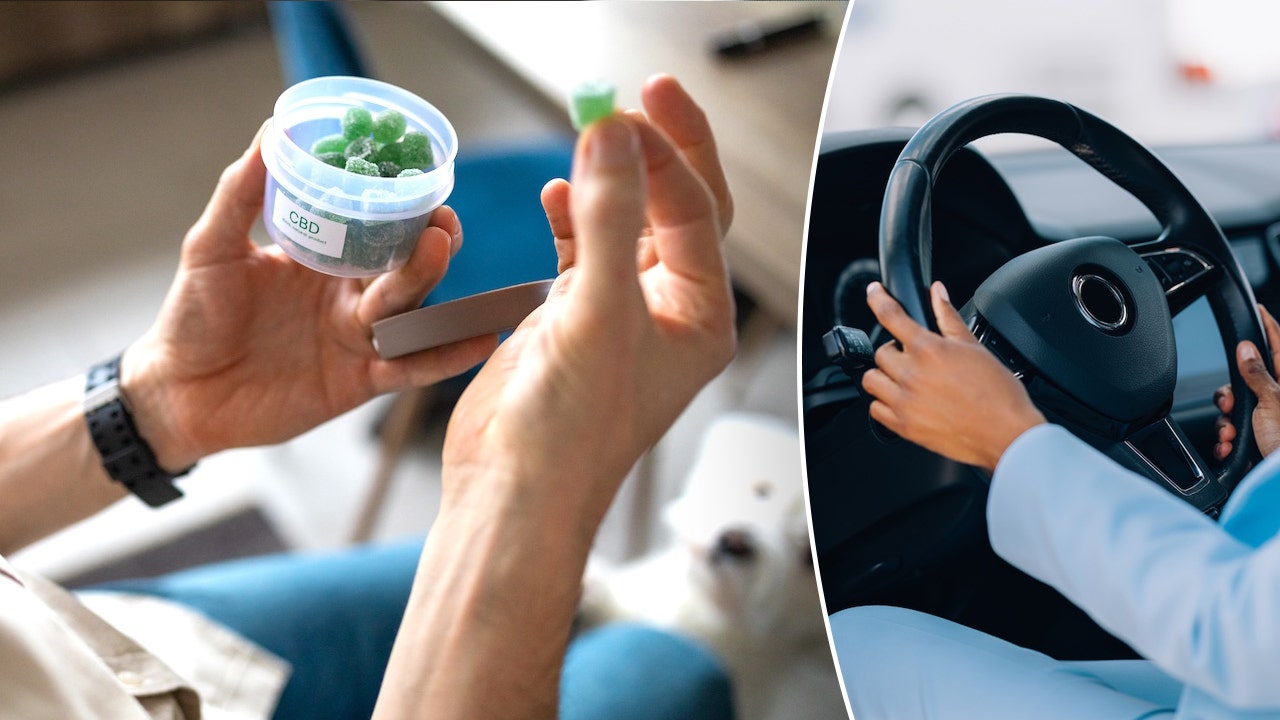
A study published in JAMA Network Open found that consuming cannabis edibles can impair driving performance, even when blood THC levels remain below legal limits. Researchers at the Centre for Addiction and Mental Health in Toronto tested 40 regular cannabis users who consumed gummies with 0, 2, 10, or 20 milligrams of THC. Driving simulations showed lane control issues, slower reaction times, and speed fluctuations after 10- and 20-milligram doses. Blood tests showed THC levels below the typical 5-ng/mL threshold, though some exceeded it. The study noted limitations, including the use of simulators and focus on regular users.
Our Reading
This guidance has been heard before.
Cannabis use and driving safety keep coming up.
Studies keep showing new ways to measure impairment.
Legal limits don’t always match real-world effects.
Drivers might feel impaired even when tests say otherwise.
Author: Evan Null
Edibles and the Impairment Paradox
Cannabis edibles are becoming more popular, but their effects on driving are not fully understood. Unlike smoked cannabis, which causes a quick spike in THC levels, edibles take longer to absorb, leading to delayed and prolonged effects. This makes it harder to detect impairment through standard blood tests.
The study highlights a growing challenge for law enforcement. As more people use cannabis, especially in the form of edibles, traditional methods of determining impairment may not be reliable. This creates a gap between what is legally measured and what is actually experienced by drivers.
Researchers tested participants using driving simulators, which allowed them to observe impairment without real-world risks. The results showed that even low doses of THC from edibles can affect driving performance, though the effects were not as immediate as with smoked cannabis.
Participants reported feeling less confident in their driving after consuming edibles, even when their blood THC levels were below legal limits. This suggests that self-assessment may be a better indicator of impairment than standard testing in some cases.
Despite these findings, the study has limitations. It only included regular cannabis users, and the results may not apply to occasional users. Also, the use of driving simulators rather than real roads means the findings may not fully reflect real-world conditions.