Source: Fox News
Summary
France faced a major intelligence failure as nationwide protests turned into riots and looting, with authorities underestimating the scale of the unrest. French President Emmanuel Macron ordered a security review after officials admitted police “lost control” in several cities. The Interior Ministry reported 550,000 demonstrators, far exceeding an estimate of 200,000. Over 1,500 stores were ransacked, and public buildings were attacked. Police struggled to contain the violence, with nearly 1,000 officers injured and 2,400 arrests made. Interior Minister Laurent Nuñez acknowledged a “lack of anticipation” and offered his resignation, which Macron rejected.
Our Reading
As expected, the matter has reached another stage.
Police stretched across multiple flashpoints.
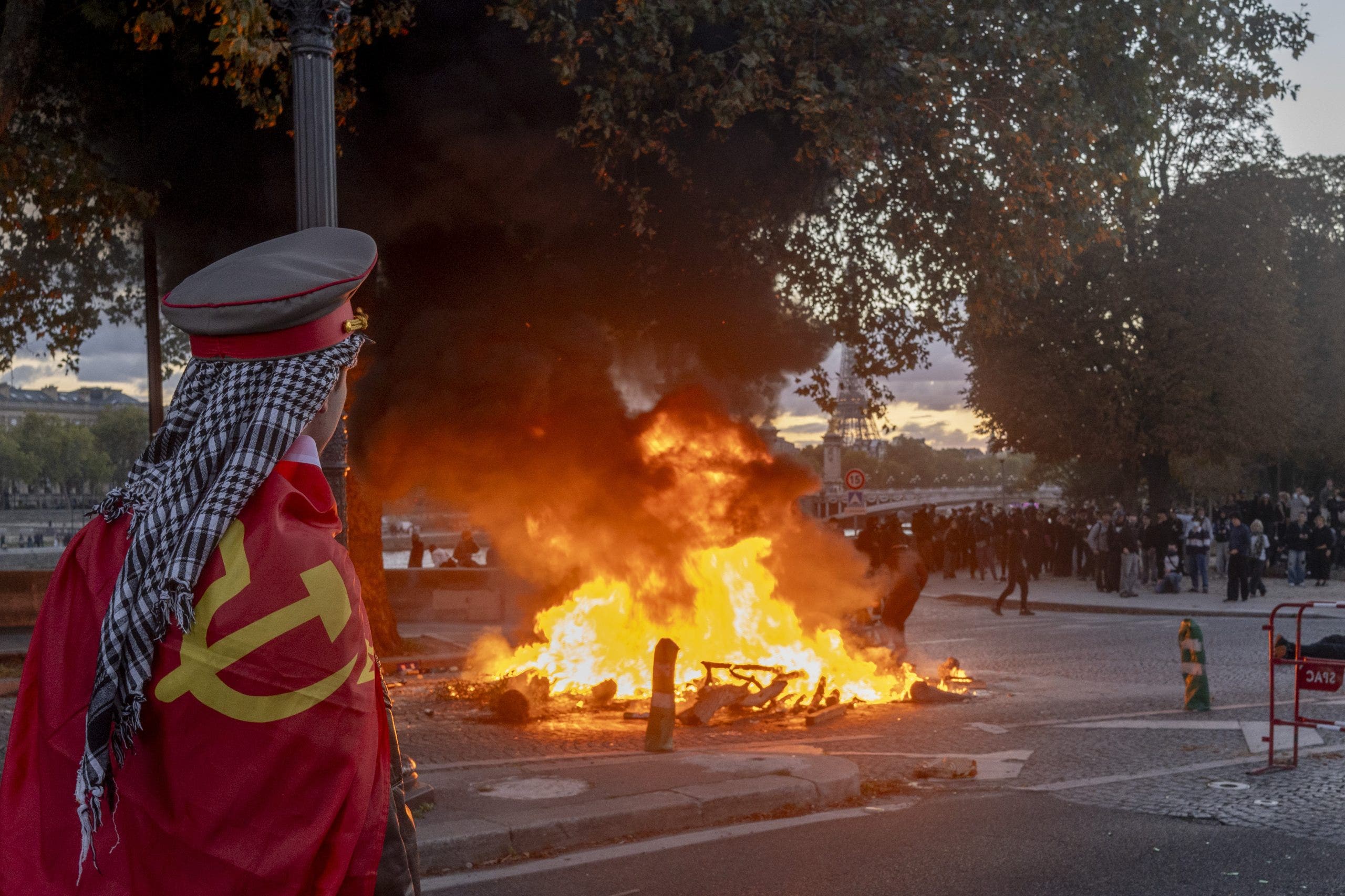
Rioters smashed storefronts and set fires.
Interior Minister offered resignation but was refused.
Violence has become a familiar rhythm of political unrest.
Author: Evan Null
France’s Intelligence Failure
France’s intelligence failure became evident as protests turned into riots, with authorities underestimating the scale of the unrest. The Interior Ministry reported 550,000 demonstrators, far exceeding an estimate of 200,000. The failure was acknowledged by senior officials who admitted police “lost control” in several cities. The unrest overwhelmed 60,000 security personnel, with nearly 1,000 officers injured and 2,400 arrests made.
Political Consequences
The failure has led to calls for resignations and a security review. Interior Minister Laurent Nuñez offered his resignation, which was refused by President Macron. Justice Minister Gérald Darmanin admitted a “questionable” failure in intelligence and tracking the ultra-left. The unrest has intensified a political battle over immigration, with right-wing leaders blaming France’s migration policies for the violence.
Public Discontent and Unrest
The unrest began with high school students protesting teacher shortages and poor conditions. The movement spread to teachers, labor unions, and others frustrated by rising living costs and declining public services. Violence had already begun creeping into the demonstrations, with students setting fires at schools and protesters clashing with riot police. The situation escalated into widespread looting and attacks on public buildings.
International Response
President Donald Trump blamed France’s migration policies for the destruction, writing that “the migrants have taken over France” and urging the country to close its borders. Other right-wing leaders across Europe made similar arguments. French authorities, however, have not blamed immigrants for the violence, instead accusing ultra-left militants and criminals of exploiting the demonstrations.
Long-Term Political Impact
The riots have intensified a political battle reshaping France ahead of its 2027 presidential election. Marine Le Pen’s National Rally has seized on the violence to argue that Macron’s government has lost control. The unrest has also widened a debate over whether the breakdown reflects a failure of policing, economic and social grievances, or government policy on immigration and integration.