Source: Fox News
Summary
Tatyana Day Velasquez, a Washington, D.C., property owner, claims her basement apartment has been taken over by squatters who have turned it into a drug-infested space. She has filed a case in D.C. Superior Court to reclaim the property, arguing that the city has failed to address the issue. Police have not arrested the occupants, citing residency status, and the legal process has been slow. Velasquez says she is still being charged property taxes despite not receiving income from the property. Neighbors and experts have raised concerns about the impact of squatting on the community and the legal challenges faced by property owners.
Our Reading
As expected, the matter has reached another stage.
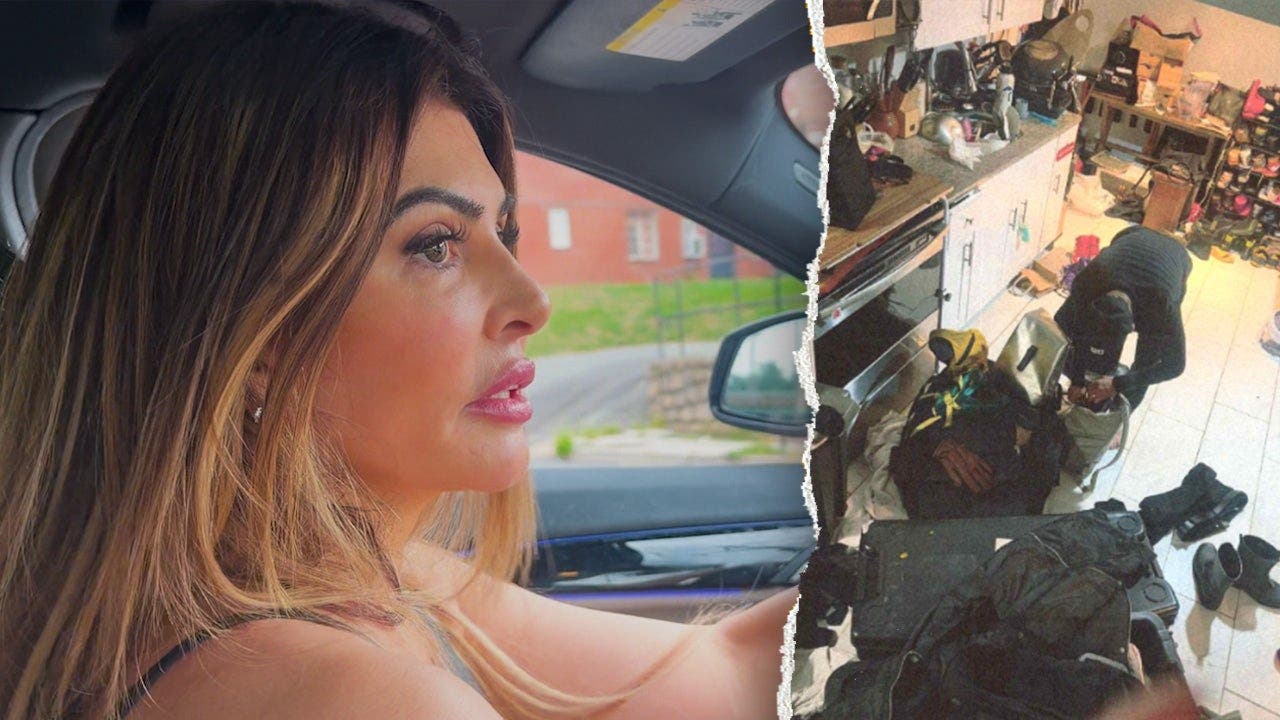
Velasquez drives to the building daily to confront squatters.
Police say they cannot remove occupants without court orders.
She says she is still charged taxes for a property she cannot use.
The city’s response feels like a ritual of inaction.
Author: Evan Null
Washington, D.C. and the Squatting Crisis
Washington, D.C. is facing a growing issue with squatting, where property owners like Tatyana Day Velasquez find their homes occupied by strangers who refuse to leave. Velasquez, who owns a three-unit building in Columbia Heights, says the basement apartment has become a “drug haven” with constant disturbances and safety concerns. She has been fighting to reclaim the property through D.C. Superior Court, but the process has been slow and frustrating. The city’s legal system requires property owners to go through lengthy court procedures to evict unauthorized occupants, which often leaves them in limbo for months.
The situation has drawn attention from neighbors and experts, who say the problem is not just isolated to Velasquez but reflects a broader issue in the city. A D.C. police spokesperson explained that once someone has established residency, officers cannot simply remove them without court orders. This has left property owners like Velasquez feeling helpless, as they continue to face financial and legal challenges while the squatters remain in place. The legal battle highlights the tension between property rights and the rights of occupants, with no clear resolution in sight.
Velasquez has described the experience as a “nightmare,” with the basement apartment filled with drugs, needles, and other dangerous items. She has also reported physical confrontations with the squatters and has been assaulted on multiple occasions. Despite her efforts to report the situation to the police, she says she has not received the support she needs. The city’s response has been slow, and the legal process has been described as a “twilight zone” by some, where property owners are left to fight for their rights without much assistance.
Experts like John Gibbs from the Heritage Foundation argue that the issue is not just a housing policy problem but a property-rights enforcement issue. He points to factors like the lingering effects of COVID-era eviction moratoriums and changes in policing that have made it harder for property owners to reclaim their homes. The situation has also been exacerbated by the ease with which squatters can exploit legal loopholes, including fake leases and online tutorials. These factors have created an environment where unauthorized occupants can take over properties with little consequence.
Despite the U.S. Marshals serving an eviction and one of the squatters being arrested, the problem has not been resolved. Velasquez says the squatters have returned to the property multiple times, and her protective order has been dismissed due to clerical errors. She feels that the city does not care about small landlords, and the legal system is not working in their favor. The ongoing dispute has become a symbol of the broader challenges faced by property owners in D.C., who are struggling to protect their investments and maintain the safety of their communities.