Source: Fox News
Summary
Dan Driscoll resigned as Army secretary, prompting scrutiny over the Trump administration’s changes at the Pentagon. Democrats and some Republicans criticized Defense Secretary Pete Hegseth’s leadership, citing instability among military leaders. The pace of turnover has raised concerns about leadership gaps. A CBS report noted at least 20 military leaders left due to clashes over Hegseth’s leadership, strategy, and DEI policies. Pentagon officials stated the department is unified behind Hegseth’s vision. Historical examples show presidents have removed military leaders for various reasons, including strategy disagreements and loss of confidence.
Our Reading
As expected, the matter has reached another stage.
Generals step down, new ones take over, and the same names repeat.
Leadership changes happen, but the same arguments resurface.
Every administration claims to be different, but the pattern remains.
The military is always in transition, but the cycle never ends.
Author: Evan Null
Commanding General’s Unexpected Step Down
The commanding general of the U.S. Army in the European and African theater has unexpectedly stepped down, adding to the ongoing changes at the Pentagon. This move comes amid a broader pattern of leadership shifts under the Trump administration, with military leaders leaving due to disagreements over strategy, DEI policies, and overall direction. The pace of these changes has raised concerns about stability and readiness within the military.
Historical Precedent for Leadership Changes
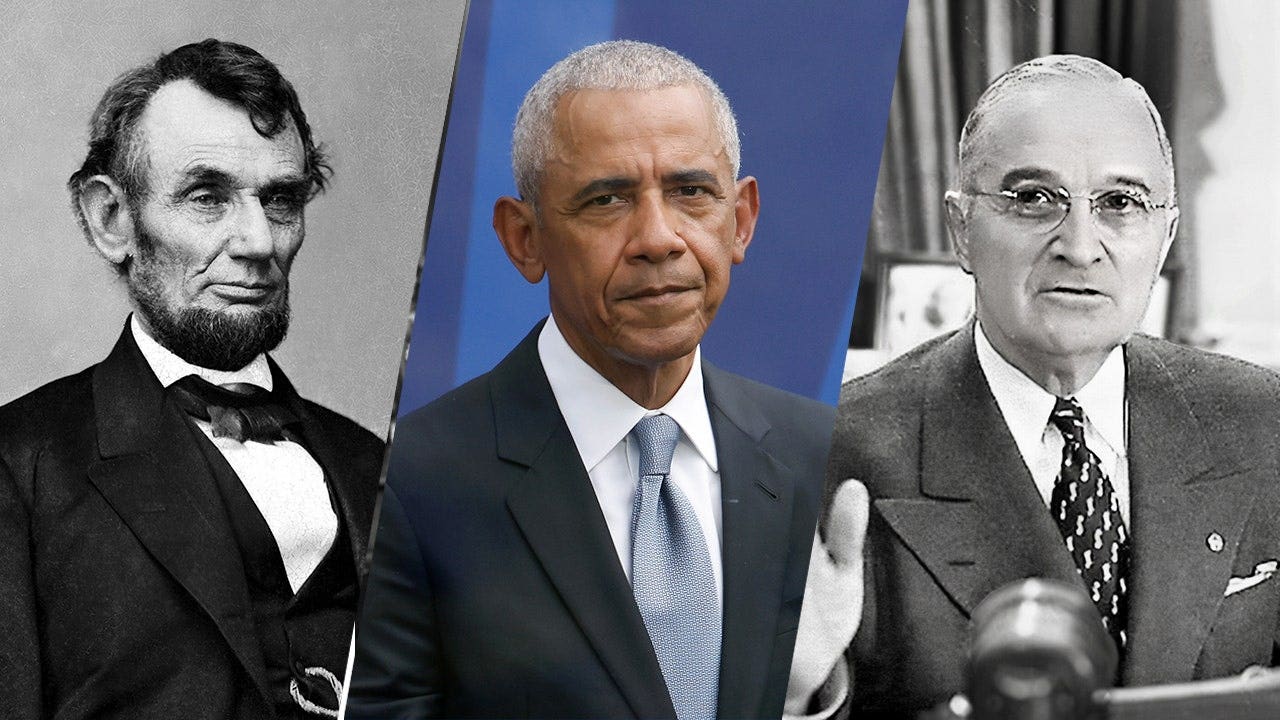
Presidents have long removed military leaders when they lost confidence in their leadership or disagreed on strategy. From Abraham Lincoln to Harry Truman, civilian leaders have reshaped the military’s top ranks. The current administration is not the first to make such changes, but the speed and scope have drawn new attention. Critics argue that the rapid turnover is creating leadership gaps, while supporters claim it is necessary for a new direction.
Democrats and Republicans Voice Concerns
Sen. Thom Tillis and Rep. Jack Reed have both criticized the administration’s approach, with Tillis warning of a leadership void and Reed accusing Hegseth of fostering a culture where dissent is punished. These concerns are part of a broader debate over whether the changes are strengthening the military or weakening its structure. The administration, however, claims that the leadership shifts are part of a necessary transformation to restore strength and readiness.
Pentagon Officials Stand Behind Hegseth
Pentagon officials have stated that the department is unified behind Hegseth’s vision, emphasizing that his leadership is driving a new era of military strength. They point to increased recruitment, improved morale, and a focus on combat readiness as evidence of success. Despite the criticism, the administration maintains that the changes are in line with the president’s goals and are essential for national security.
Continuity and Change in Military Leadership
Throughout history, military leadership has been reshaped by civilian control, with each administration making its own adjustments. The current changes, while notable for their speed, follow a long tradition of leadership shifts. Whether these changes will lead to long-term stability or further instability remains to be seen, but the pattern of turnover continues to define the military’s evolution under different administrations.