Source: FOX News
Summary
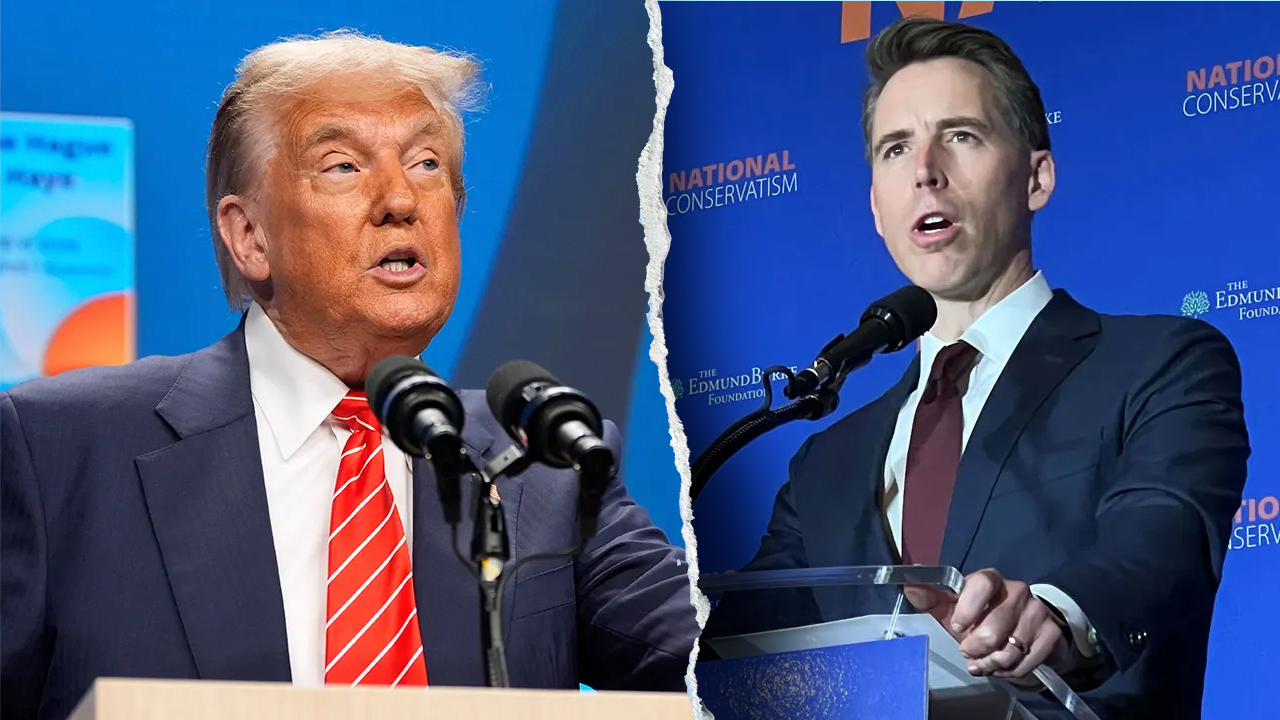
Senate Republican Josh Hawley plans to introduce legislation to close a tax loophole for data centers, which he calls “corporate welfare.” The loophole, part of the 2017 Tax Cuts and Jobs Act, allows tech companies to defer or reduce taxes on investments in Opportunity Zones. Hawley argues data centers, which are largely in rural areas, are exploiting the policy. The bill would exclude data centers from the tax breaks. The move comes as concerns over AI development grow, with some calling for regulatory action. Hawley criticized tech companies for influencing lawmakers and resisting oversight.
Our Reading
As expected, the matter has reached another stage.
Hawley introduces a bill to close a tax loophole.
He calls data centers corporate welfare, despite their presence in rural areas.
Opportunity Zones were meant for low-income areas, not tech giants.
It’s another attempt to slow data center growth, framed as a fight against corporate influence.
Author: Evan Null
Opportunity Zones and Data Centers
The Opportunity Zones initiative was designed to boost investment in low-income areas. However, tech companies have found a way to use the tax breaks for data center development. These zones, created in 2017, were meant to help struggling communities. Now, they are being used to support large-scale tech infrastructure. The expansion of these zones has led to a surge in data center projects. Many of these projects are located in rural areas, where land is cheaper and regulations are less strict.
Political Tensions and AI Fears
The issue of data centers has become a political flashpoint. Republicans and Democrats are divided on how to regulate the industry. Some lawmakers, like Hawley, argue that tech companies are exploiting the system. Others, like Schumer, have held meetings with tech executives to discuss AI regulations. The debate over AI has intensified, with concerns about its potential risks. Engineers at Anthropic recently warned that AI could pose an existential threat. This has led to calls for more oversight and control.
Legislative Inaction and Corporate Influence
Despite growing concerns, Congress has been slow to act on AI regulation. Hawley criticized lawmakers for accepting donations from tech companies. He argued that this influence has stalled progress. The tech industry has pushed for antitrust exemptions, allowing them to collaborate more freely. This has raised questions about the balance between innovation and regulation. Some lawmakers are hesitant to impose strict rules, fearing it could slow down technological advancement.
Public and Private Interests
The debate over data centers and AI highlights the tension between public interest and private gain. While some argue that tech companies should be held accountable, others believe that regulation could stifle innovation. The government has a role in ensuring that these technologies are developed responsibly. However, the influence of corporate lobbying complicates this process. As data centers continue to expand, the need for clear guidelines becomes more urgent.
Future Implications
The outcome of this debate will shape the future of AI and data infrastructure. If Hawley’s bill passes, it could slow the growth of data centers. This might lead to a shift in where tech companies choose to build. On the other hand, if no action is taken, the industry may continue to expand with minimal oversight. The long-term impact of these decisions remains uncertain. As AI becomes more integrated into daily life, the need for balanced policies will only grow.