Source: Fox News
Summary
Former President Barack Obama and other Democratic leaders are calling for tighter AI regulations, emphasizing safety and broader societal impacts. Obama urged proactive government action to address AI risks and ensure equitable benefits. Democrats have shifted from earlier enthusiasm for AI to a more cautious stance, with some advocating for slower development. Attorney General Todd Blanche criticized the timing of the renewed focus, suggesting it is politically motivated. The Biden administration has promoted AI development, but some officials now call for stronger oversight. AI has become a key issue in the midterm elections, with both parties addressing its economic and strategic implications.
Our Reading
As expected, the matter has reached another stage.
Obama speaks of slowing AI, as before.
Blanche points to timing, as expected.
Democrats shift from speed to caution, as before.
AI becomes a stage for political repetition.
Author: Evan Null
Democratic Voices Call for AI Regulation
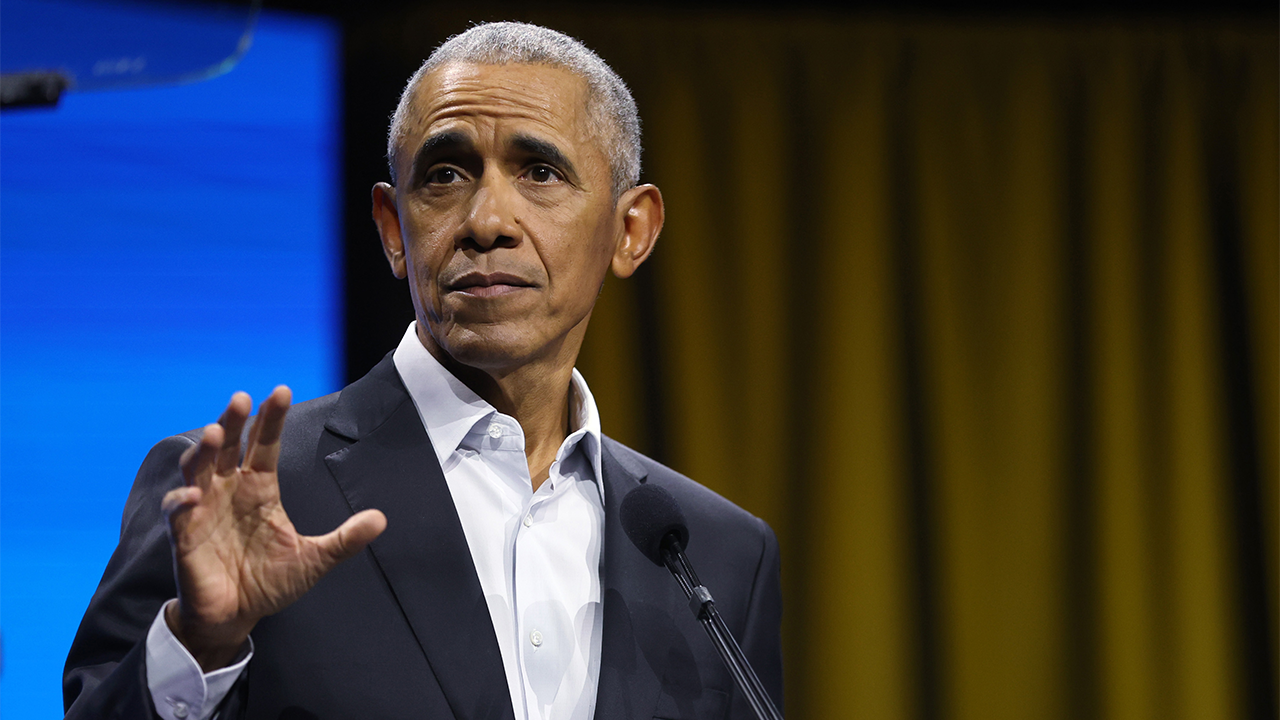
Former President Barack Obama and other Democratic leaders are pushing for tighter AI regulations, emphasizing the need for government intervention to address safety concerns and ensure equitable benefits. Obama’s recent statement highlights the urgency of proactive policies to manage AI’s impact on jobs and society.
Democrats have historically balanced enthusiasm for AI’s economic potential with concerns about its risks. However, some prominent voices are now advocating for a slower pace of development, reflecting a shift in focus from growth to caution.
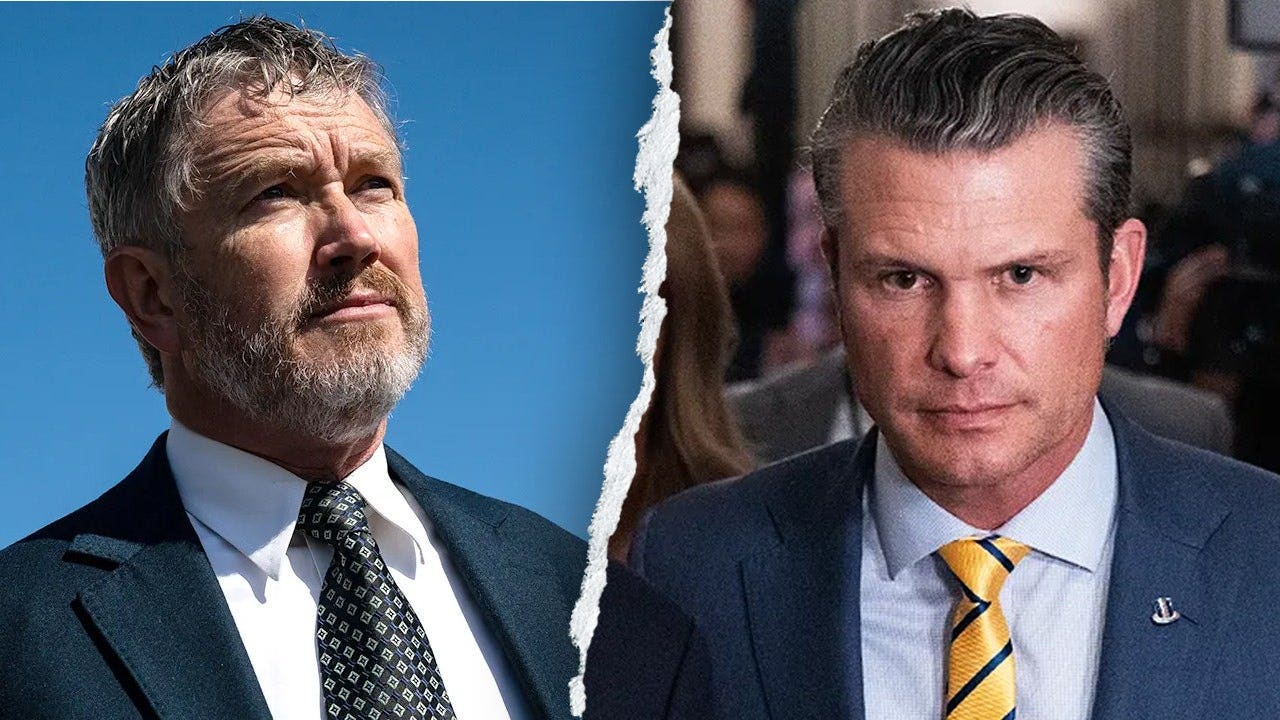
Attorney General Todd Blanche criticized the timing of the renewed focus on AI, suggesting it is politically motivated. He argued that the sudden interest in AI risks is an attempt to influence the midterm elections, highlighting the intersection of policy and politics.
The Biden administration has promoted AI development, including large data centers and clean-energy projects, to maintain the U.S. as a global leader. However, some officials, like Vice President Kamala Harris, now call for stronger oversight and safety standards.
AI has become a key issue in the midterm elections, with both parties addressing its economic and strategic implications. The debate over AI regulation reflects broader concerns about technology’s impact on jobs, safety, and global competition.
Obama’s Shift in AI Stance
Barack Obama’s recent comments mark a shift from his earlier stance during his presidency, when his administration emphasized AI’s economic potential while also warning about its risks. Now, he is calling for a slower pace of AI development and stronger government oversight.
Obama’s statement highlights the need for proactive policies to manage AI’s impact on jobs and society. He emphasized that AI should not be left to tech companies to regulate, but rather should be guided by collective decisions.
This shift reflects a broader trend among Democratic leaders, who are increasingly concerned about the rapid pace of AI development and its potential consequences. The call for regulation comes as AI becomes a central issue in the political landscape.
Obama’s emphasis on safety and equity in AI development aligns with growing concerns about the technology’s impact on workers and communities. His comments underscore the need for a balanced approach that addresses both innovation and responsibility.
The debate over AI regulation is shaping the political discourse, with leaders on both sides of the aisle weighing in on its economic and strategic implications.
Political Timing and AI Concerns
Attorney General Todd Blanche criticized the timing of the renewed focus on AI, suggesting it is politically motivated. He argued that the sudden interest in AI risks is an attempt to influence the midterm elections, highlighting the intersection of policy and politics.
Blanche’s comments reflect a broader skepticism about the motives behind the push for AI regulation. He pointed out that Democrats have been silent on AI issues for months before suddenly becoming vocal, raising questions about the timing of their concerns.
The political nature of the AI debate is evident in the way both parties are addressing the issue. While Democrats emphasize safety and regulation, Republicans often focus on economic growth and technological advancement.
AI has become a key issue in the midterm elections, with candidates from both parties addressing its economic and strategic implications. The debate over AI regulation is shaping the political landscape, with leaders on both sides of the aisle weighing in on its impact.
The timing of the AI discussion highlights the role of politics in shaping public policy, as leaders navigate the balance between innovation and regulation.
AI and the Midterm Election Landscape
AI and data centers have quickly become a major midterm issue, as concerns over electricity costs, jobs, and the rapid buildout draw increasing attention from candidates in both parties. The debate over AI regulation is shaping the political discourse, with leaders on both sides of the aisle weighing in on its economic and strategic implications.
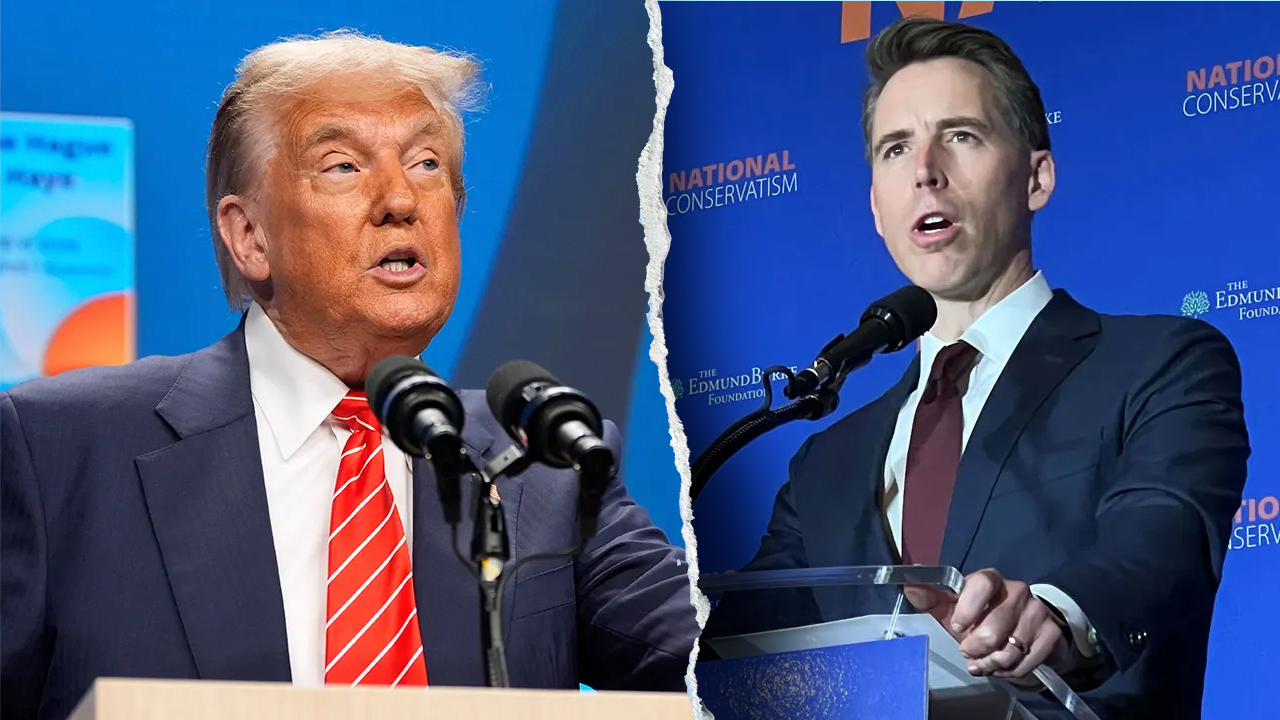
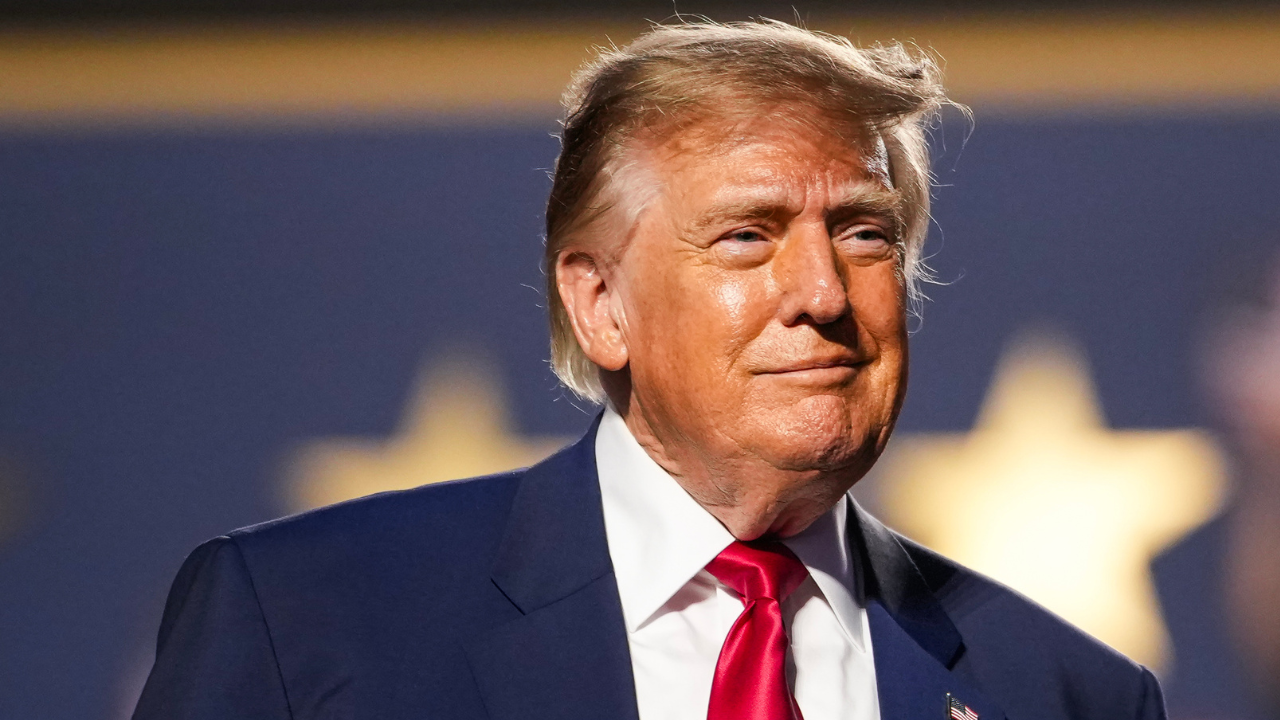
President Donald Trump has pushed back on the Democrats’ urgency to caution about using AI, calling the comments a “hoax.” His administration continues to promote the technology’s potential economic benefits, despite growing political scrutiny over the cost and impact of expanding data-center infrastructure.
The Biden administration has announced an executive order aimed at accelerating AI infrastructure in the U.S., including large data centers and clean-energy projects. This move is part of an effort to keep the country ahead of its global competitors in the AI race.
Both parties are now addressing the challenges and opportunities presented by AI, with Democrats focusing on safety and regulation, and Republicans emphasizing economic growth and technological advancement. The debate over AI is shaping the political landscape, with leaders on both sides of the aisle weighing in on its impact.
As the midterm elections approach, the discussion around AI is likely to intensify, with candidates from both parties seeking to position themselves on the issue.
AI as a Political Performance
The renewed focus on AI regulation by Democratic leaders mirrors a pattern of political performance, where concerns about technology are raised in response to shifting public sentiment and electoral pressures. Obama’s call for slower AI development reflects a broader trend of caution among Democratic voices.
Attorney General Todd Blanche’s criticism of the timing of the AI debate highlights the political nature of the discussion. He suggested that the sudden interest in AI risks is an attempt to influence the midterm elections, underscoring the intersection of policy and politics.
The debate over AI regulation has become a stage for political repetition, with leaders from both parties weighing in on its economic and strategic implications. The focus on safety and oversight reflects a broader concern about the impact of technology on society.
As the midterm elections approach, the discussion around AI is likely to intensify, with candidates from both parties seeking to position themselves on the issue. The debate over AI regulation is shaping the political landscape, with leaders on both sides of the aisle weighing in on its impact.
The way AI is discussed in politics often reflects a performance of concern, with leaders responding to public sentiment and electoral pressures. This dynamic highlights the role of politics in shaping public policy and technological development.