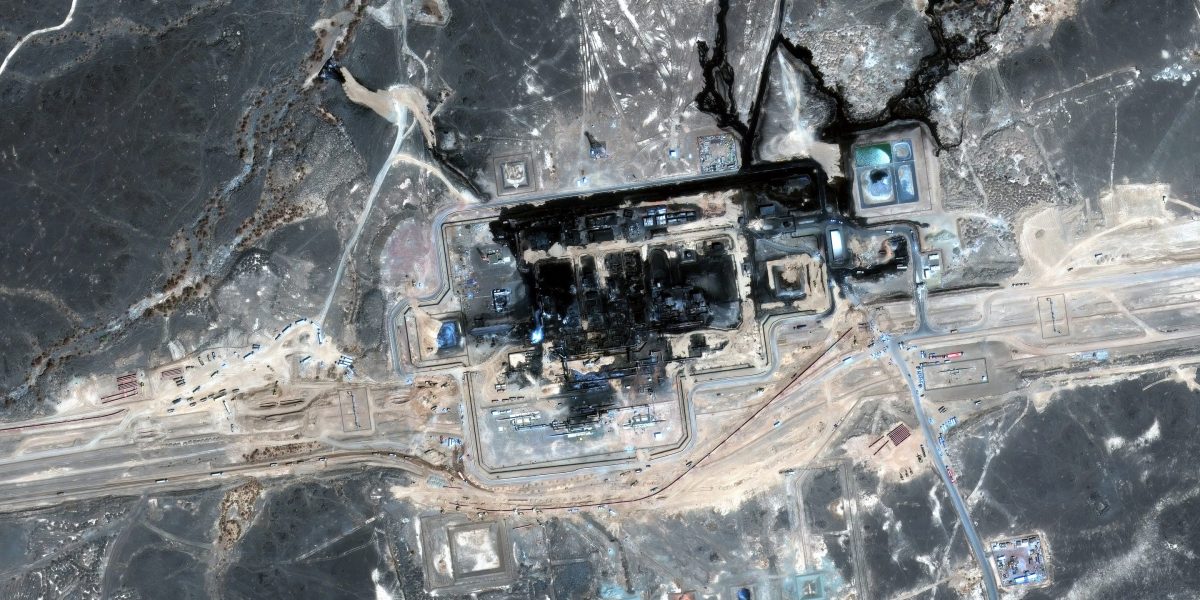
Source: Fortune
Summary
Saudi Arabia’s East-West pipeline was closed this week, reducing its role as a buffer against energy disruptions in the Strait of Hormuz. The pipeline and the UAE’s bypass route transported about 5 million extra barrels a day in Q2 2026 compared to Q4 2025. The closure highlights the layered resilience of the global energy system, which includes inventories, increased exports, and supply chain adjustments. The experience underscores the importance of flexibility and multiple buffers in managing energy shocks. Companies are advised to identify critical dependencies and build resilient strategies.
Our Reading
The numbers tell one story.
Saudi Arabia’s pipeline shutdown highlights a key energy buffer.
Extra oil flows helped manage supply risks in Q2 2026.
Resilience comes from layers, not single solutions.
Energy shocks test the flexibility of global supply chains.
Author: Evan Null
Key Takeaways from the Article
The closure of Saudi Arabia’s East-West pipeline has drawn attention to the global energy system’s ability to absorb shocks. The pipeline and the UAE’s bypass route played a crucial role in managing the energy disruption in the Strait of Hormuz. Together, they transported an additional 5 million barrels a day in the second quarter of 2026 compared to the fourth quarter of 2025.
The article emphasizes that no single measure can fully address a major energy disruption. Instead, a combination of strategies—such as increased exports, inventory management, and supply chain adjustments—helped mitigate the impact. These layers of resilience are essential in maintaining stability during times of crisis.
Energy disruptions can quickly become business continuity issues for companies across sectors. The article points out that more than one in five barrels of seaborne oil changed routes in the second quarter of 2026, showing the dynamic nature of global energy flows.
For companies, the key is to identify critical dependencies and build a portfolio of options that can adapt to changing conditions. This includes alternative fuels, diversified suppliers, and flexible logistics. The article also highlights the importance of commercial flexibility, such as destination-free LNG contracts, to enable quick responses during a crisis.
Resilience is not just about avoiding disruptions but also about maintaining operations and even finding growth opportunities during and after a shock. Companies like BASF demonstrated how diversified production and flexible facilities can help sustain performance during energy crises.