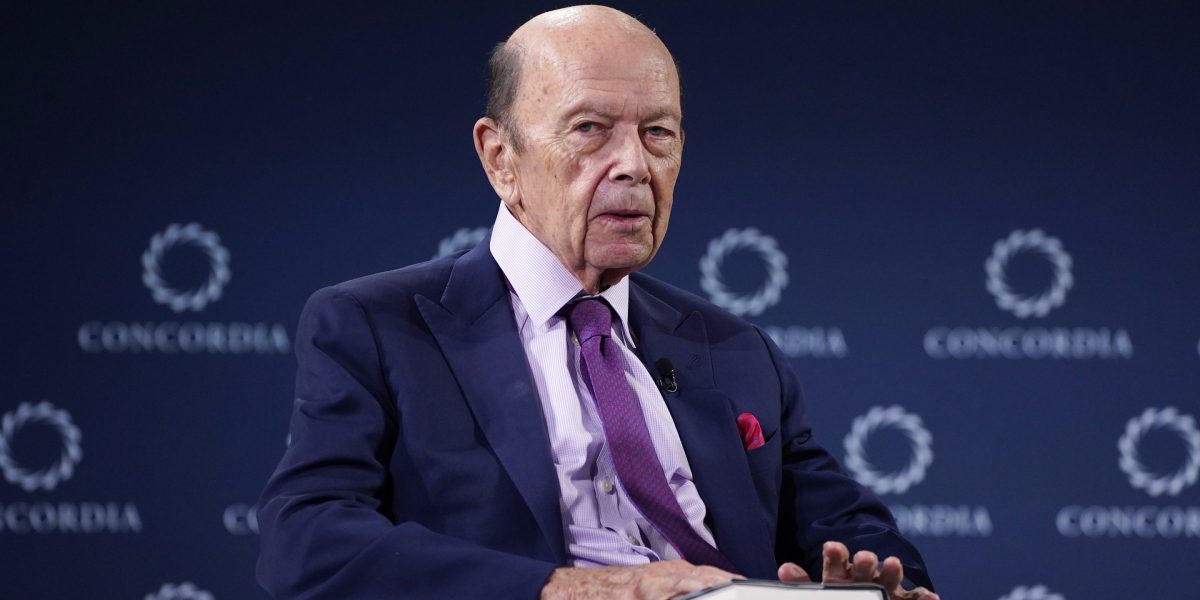
Source: Fortune
Summary
Wilbur Ross, former Commerce Secretary, filed a lawsuit against New York State over the pied-à-terre tax, calling it unconstitutional. A judge ordered the city to roll back tax notices and restart the process. Ross and others argue the tax unfairly targets non-residents and violates constitutional limits. The city and state defend the tax as a way to ensure wealthy second-home owners pay their share. Ross claims non-residents still contribute to the city’s economy through spending, even if they live elsewhere part of the year.
Our Reading
The numbers tell one story.
Ross, Wynn, and Geary Ross sued the state over the tax, calling it a property tax that violates constitutional limits.
The city and state say the tax is fair, targeting those who don’t live in the city but own second homes.
Ross argues non-residents still spend in the city, supporting local jobs and services.
The legal battle continues, with the city vowing to defend the tax in court.
Author: Evan Null
Wilbur Ross’ Legal Challenge
Wilbur Ross, a former Commerce Secretary, has launched a legal challenge against New York’s pied-à-terre tax, claiming it is unconstitutional. His lawsuit, filed in Suffolk County Supreme Court, argues that the tax is essentially a property tax that violates state constitutional limits. Ross, along with his wife and casino developer Steve Wynn, is challenging the tax on behalf of non-residents who own luxury second homes in the city. The complaint highlights that the tax is billed through the city’s property tax system and creates a lien on the property if unpaid.
Ross and his legal team argue that the tax discriminates against out-of-state residents, violating the U.S. Constitution’s Privileges and Immunities and Commerce clauses. They claim the tax is a way to avoid voter retribution, as non-residents cannot vote against it. Ross also disputes the city’s claim that non-residents don’t pay their fair share, pointing out that they still spend money in the city through dining, shopping, and services. He argues that the tax is not only unfair but also based on an “imaginary gap” in tax contributions.
The city and state have defended the tax, saying it ensures that wealthy second-home owners contribute to the city’s services. Hochul’s office has called Ross and Wynn “sympathetic figures” in the fight over the tax, arguing that they are proving the need for the surcharge. Ross, however, calls the statements “silly” and says they don’t address the legal issues. He maintains that the tax is unconstitutional and that the city must defend its legality in court.
Ross’s lawsuit is part of a growing list of legal challenges against the tax. The judge’s ruling last week forced the city to roll back tax notices and restart the process, adding to the uncertainty around the policy. Despite the legal challenges, the city remains committed to enforcing the tax, saying it is fair and necessary to fund public services. Ross, however, remains confident that the legal system will ultimately rule in favor of his argument.
The debate over the pied-à-terre tax highlights the tension between local governance and constitutional limits. While the city and state argue that the tax is a way to ensure fairness, critics like Ross say it is an unconstitutional overreach. The legal battle continues, with both sides preparing for a long and complex court process. Whether the tax will survive remains to be seen, but the case has already sparked a broader conversation about the role of non-residents in city funding.
Legal and Constitutional Arguments
The legal arguments surrounding the pied-à-terre tax center on constitutional limits and fairness. Ross’s lawsuit claims that the tax violates the state constitution by exceeding the cap on real-estate taxes. He argues that the surcharge is essentially a property tax, not a separate fee, and that the city’s attempt to exclude it from the cap is unconstitutional. The complaint also raises concerns about discrimination against non-residents, citing the U.S. Constitution’s Commerce and Equal Protection clauses. These arguments are central to the legal battle and will likely shape the outcome of the case.
The city and state have defended the tax as a fair way to ensure that wealthy second-home owners contribute to the city’s services. They argue that non-residents do not pay city income tax and therefore should not benefit from city services. Hochul’s office has called the tax a necessary measure to close a “gap” in tax contributions, even as critics like Ross say the gap is imaginary. The legal battle hinges on whether the tax is constitutional and whether it unfairly targets non-residents.
Ross and his legal team have also raised concerns about the fairness of the tax, arguing that non-residents still contribute to the city’s economy through spending. He claims that even though they live in the city part of the year, they support local businesses, services, and jobs. This argument challenges the city’s claim that non-residents do not pay their fair share. The legal system will ultimately decide whether these claims hold up, but the debate has already sparked a broader conversation about the role of non-residents in city funding.
The constitutional arguments are complex and could take years to resolve. The city and state have committed to defending the tax in court, but the outcome remains uncertain. Ross, on the other hand, is confident that the legal system will rule in favor of his argument. The case has already drawn attention from legal experts and policymakers, who are watching closely to see how the courts will handle the issue.
The legal battle over the pied-à-terre tax is not just about money—it’s about the balance of power between local governments and constitutional limits. While the city and state argue that the tax is fair and necessary, critics like Ross say it is an unconstitutional overreach. The outcome of the case will have far-reaching implications, not just for New York City but for other cities considering similar taxes. The legal process will determine whether the tax survives or is struck down, but the debate has already sparked a broader conversation about the role of non-residents in city funding.
Public Reaction and Political Implications
The public reaction to the pied-à-terre tax has been mixed, with supporters arguing that it is a fair way to ensure wealthy second-home owners contribute to city services. Critics, like Ross, say it is an unconstitutional and unfair tax that targets non-residents. The debate has drawn attention from both the media and the public, with many people taking sides based on their views of fairness and governance. The legal battle has also sparked a broader conversation about the role of non-residents in city funding and the limits of local government power.
Politically, the tax has become a flashpoint in the ongoing debate over how to fund public services. Hochul’s office has defended the tax as a necessary measure to ensure that the wealthiest residents pay their share, while critics argue that it is an unfair burden on non-residents. The legal challenges have also raised questions about the role of the courts in determining the constitutionality of local policies. The outcome of the case could set a precedent for similar taxes in other cities, making it a high-stakes legal battle.
The political implications of the case are significant, as it could influence future tax policies and the balance of power between local governments and constitutional limits. The city and state have shown a strong commitment to defending the tax, but the legal challenges remain a major obstacle. Ross and his legal team have made it clear that they will continue to fight the tax in court, and the outcome will likely shape the future of similar policies in other cities.
The case has also drawn attention from legal experts and policymakers, who are watching closely to see how the courts will handle the issue. The legal battle is not just about money—it’s about the limits of local governance and the role of non-residents in city funding. The outcome of the case will have far-reaching implications, not just for New York City but for other cities considering similar taxes. The legal process will determine whether the tax survives or is struck down, but the debate has already sparked a broader conversation about the role of non-residents in city funding.
The public reaction to the case has been divided, with many people taking sides based on their views of fairness and governance. The legal battle has also raised questions about the role of the courts in determining the constitutionality of local policies. The outcome of the case will have far-reaching implications, not just for New York City but for other cities considering similar taxes. The legal process will determine whether the tax survives or is struck down, but the debate has already sparked a broader conversation about the role of non-residents in city funding.
City and State Response
The city and state have remained firm in their defense of the pied-à-terre tax, arguing that it is a necessary measure to ensure that wealthy second-home owners contribute to public services. Hochul’s office has called the tax a way to close a “gap” in tax contributions, even as critics like Ross say the gap is imaginary. The city has also emphasized that the tax is fair and necessary, and that it will continue to defend it in court. The legal battle has already forced the city to roll back tax notices and restart the process, but the city remains committed to enforcing the tax.
The city’s spokesperson, Matt Rauschenbach, said that the pied-a-terre surcharge is designed to ensure that the wealthiest people who own second homes in New York City but don’t live there pay their fair share. He emphasized that the city will continue to administer the tax fairly and in compliance with the law. The city has also said it will intervene in the lawsuits and stand with Albany to defend the surcharge. This shows that the city is prepared to fight the legal battle and is confident that the tax will withstand scrutiny.
Despite the legal challenges, the city and state have maintained a strong stance on the tax, arguing that it is fair and necessary. They have also emphasized that the tax is not targeted at any specific group but is a way to ensure that all residents, including non-residents, contribute to the city’s services. The city’s response has been consistent, with officials stating that they will continue to defend the tax in court and that the legal process will determine its fate.
The city’s commitment to the tax has been clear, with officials stating that they will not back down in the face of legal challenges. They have also emphasized that the tax is a necessary measure to fund public services and that the legal battle will ultimately determine its future. The city’s response has been firm, showing that they are prepared to fight the legal battle and that the tax will remain in place until a court rules otherwise.
The city and state’s response to the legal challenges has been consistent and unwavering. They have emphasized that the tax is fair and necessary, and that they will continue to defend it in court. The legal battle is ongoing, and the outcome remains uncertain, but the city and state have shown that they are prepared to fight for the tax and that they believe it is a necessary measure for the city’s future.
Broader Implications for Tax Policy
The legal battle over the pied-à-terre tax has broader implications for tax policy, particularly in how cities and states balance fairness, constitutional limits, and local governance. The case has already sparked a national conversation about the role of non-residents in city funding and the limits of local tax authority. If the court rules in favor of Ross, it could set a precedent that limits the ability of cities to impose taxes on non-residents, potentially affecting similar policies in other jurisdictions.
The case also raises questions about the fairness of tax policies and how they are applied to different groups of residents. While the city and state argue that the tax is a fair way to ensure that non-residents contribute to public services, critics like Ross say it is an unconstitutional and unfair burden. The outcome of the case will likely shape future tax policies and the way cities approach similar measures. It could also influence how other cities handle similar taxes, with some possibly rethinking their approach based on the court’s decision.
The legal battle has also highlighted the tension between local governance and constitutional limits. While cities and states have the authority to impose taxes, they must also ensure that these taxes are constitutional and fair. The case has already drawn attention from legal experts and policymakers, who are watching closely to see how the courts will handle the issue. The outcome of the case will have far-reaching implications, not just for New York City but for other cities considering similar taxes.
The debate over the pied-à-terre tax is not just about money—it’s about the balance of power between local governments and constitutional limits. While the city and state argue that the tax is fair and necessary, critics say it is an unconstitutional overreach. The outcome of the case will shape the future of similar policies and the way cities approach tax policy. The legal process will determine whether the tax survives or is struck down, but the debate has already sparked a broader conversation about the role of non-residents in city funding.
The case has also raised questions about the role of the courts in determining the constitutionality of local policies. The outcome of the case could set a precedent that affects how cities and states approach tax policy in the future. The legal battle is not just about the pied-à-terre tax—it’s about the broader implications for tax policy and the balance of power between local governments and constitutional limits. The courts will ultimately decide the fate of the tax, but the case has already sparked a significant debate about the future of local governance and tax policy.