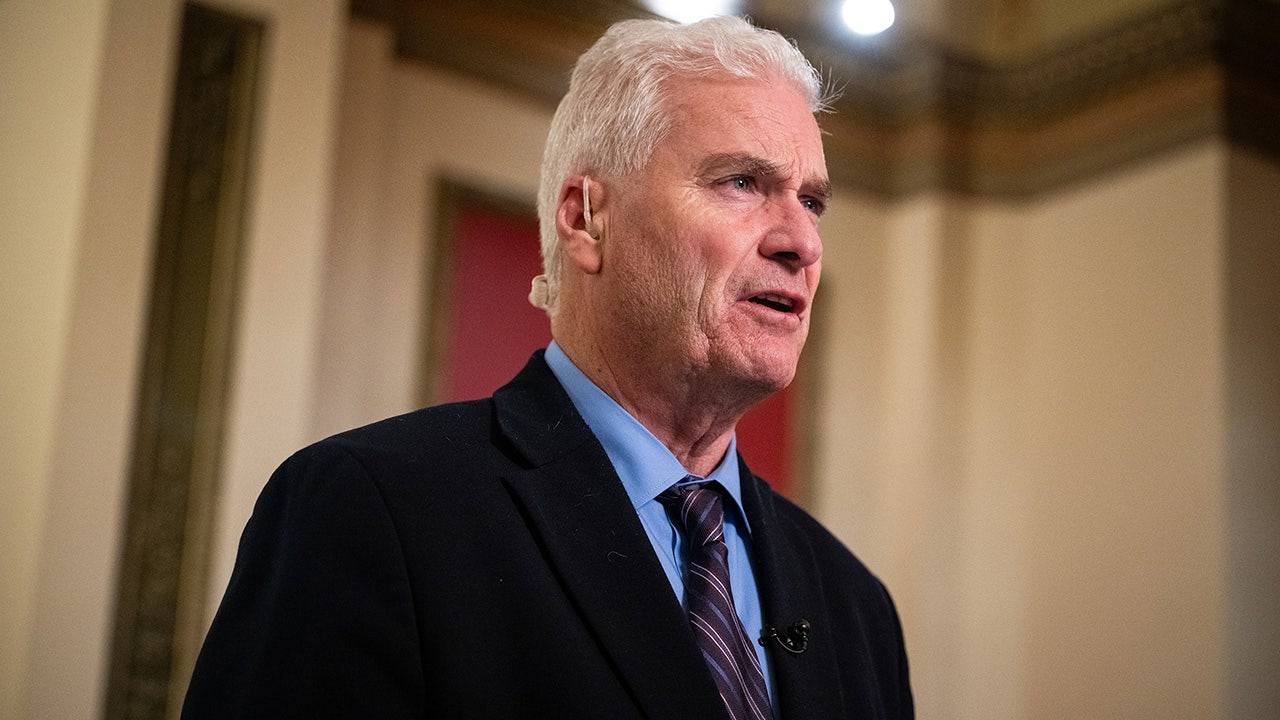
—
Source: Fox News
Summary
In Dallas, former Congressman Jeb Hensarling said Texas is becoming the “economic center of gravity in America” as companies and capital move away from New York and California. The Texas Stock Exchange, approved by the SEC last year, aims to compete with the New York Stock Exchange and Nasdaq. Hensarling claimed the exchange is making Texas a top destination for listing companies, citing support from major financial firms and companies like Energy Transfer and Dillard’s. He dismissed criticism, saying the exchange is a credible competitor backed by market validation.
Our Reading
As expected, the matter has reached another stage.
Hensarling repeats the same line about Texas being the center of gravity.
He mentions New York pushing capital out and Texas welcoming it in.
Companies like Energy Transfer and Dillard’s list on the new exchange.
The phrase “Y’all Street” feels like a slogan that’s already been rehearsed.
Author: Evan Null
Texas’ Economic Shift
Texas is positioning itself as a new financial hub as companies and capital move away from traditional centers like New York and California. The Texas Stock Exchange, approved by the SEC, is part of this effort to compete with the New York Stock Exchange and Nasdaq.
Former Congressman Jeb Hensarling, a strategic advisor to the exchange, claims Texas is becoming the “economic center of gravity in America.” He argues that the state is welcoming capital that is no longer feeling at home in New York.
The exchange has already secured primary listings from companies such as Energy Transfer, Dillard’s, Sunoco, and Texas Capital Bank. Hensarling says this shows the exchange is more than a branding exercise.
Supporters believe Texas is evolving from a destination for corporate relocations into a financial center capable of challenging Wall Street. Hensarling highlights the state’s business-friendly laws and recent legislative changes as key factors.
The Texas Stock Exchange is seen as the final piece in making Texas the best place to list a company and go public. Hensarling claims the exchange is a credible competitor backed by market validation and financial support.
Corporate Relocations and Economic Growth
Companies are moving away from traditional financial hubs, with Texas making an aggressive bid to become a new financial powerhouse. This shift is part of a broader trend of capital and businesses relocating to the state.
The Texas Stock Exchange, approved by the SEC, is designed to compete with major exchanges like the New York Stock Exchange and Nasdaq. It offers companies another venue to go public and list their shares.
Supporters argue that Texas is evolving from a place for corporate relocations into a true financial center. Hensarling says the state is now a great place to headquarter and incorporate businesses, with the exchange completing the picture.
The exchange has already attracted major companies and financial backing from firms like JPMorgan and BlackRock. Hensarling says this demonstrates the exchange is more than a branding exercise.
He dismisses criticism, pointing to the exchange’s financial backers, executives from rival exchanges, and companies that have chosen Texas as their primary listing as proof of its credibility.
Market Validation and Competition
The Texas Stock Exchange has received support from major financial firms, including JPMorgan and BlackRock. Hensarling says this backing is a sign of market validation and shows the exchange is more than a branding exercise.
He argues that if the exchange was gimmicky, the competition wouldn’t be setting up offices in Texas. Hensarling points to the exchange’s financial backers and executives from rival exchanges as evidence of its credibility.
The exchange has already secured primary listings from companies like Energy Transfer, Dillard’s, Sunoco, and Texas Capital Bank. Hensarling says this shows the exchange is making Texas the best place to list a company and go public.
He claims that the exchange is part of Texas’ broader economic ascent, with people and capital moving to the state because it is where the economic action is. Hensarling calls Texas an “economic juggernaut.”
The exchange is seen as the final piece in making Texas a true financial center. Hensarling says the state is now a top destination for companies looking to list and go public, with the exchange playing a key role in this shift.
Political and Economic Rhetoric
Jeb Hensarling, a former Congressman and advisor to the Texas Stock Exchange, has been vocal about Texas’ economic rise. He claims the state is becoming the “economic center of gravity in America,” a phrase he repeats in multiple interviews.
Hensarling argues that Texas is welcoming capital that is no longer feeling at home in New York. He says the state’s business-friendly laws and recent legislative changes have made it a top destination for companies looking to incorporate and list their shares.
The Texas Stock Exchange, approved by the SEC, is designed to compete with major exchanges like the New York Stock Exchange and Nasdaq. Hensarling says the exchange is making Texas a credible competitor in the financial world.
He dismisses criticism of the exchange, pointing to the support from major financial firms and the fact that companies like Energy Transfer and Dillard’s have already listed on the exchange. Hensarling says this is proof of its credibility.
The exchange is seen as a key part of Texas’ broader economic ascent. Hensarling says people are moving to the state because it is where the economic action is, and he calls Texas an “economic juggernaut.”
Repetition and Performance
Hensarling’s repeated claims about Texas being the “economic center of gravity in America” feel like a performance. The phrase is used multiple times in his statements, suggesting it’s a key part of the messaging.
The exchange’s focus on welcoming capital that is no longer feeling at home in New York is another recurring theme. Hensarling uses this to position Texas as a more welcoming alternative to traditional financial hubs.
The mention of companies like Energy Transfer and Dillard’s listing on the exchange is used to validate the exchange’s credibility. These examples are repeated to reinforce the idea that the exchange is a real competitor.
Hensarling also dismisses criticism by pointing to the exchange’s financial backers and the fact that the competition is setting up offices in Texas. This suggests a strategic effort to counter doubts about the exchange’s viability.
The overall narrative feels like a well-rehearsed performance, with key phrases and examples used to support the idea that Texas is becoming a financial powerhouse. The repetition of these elements makes the message feel familiar and expected.