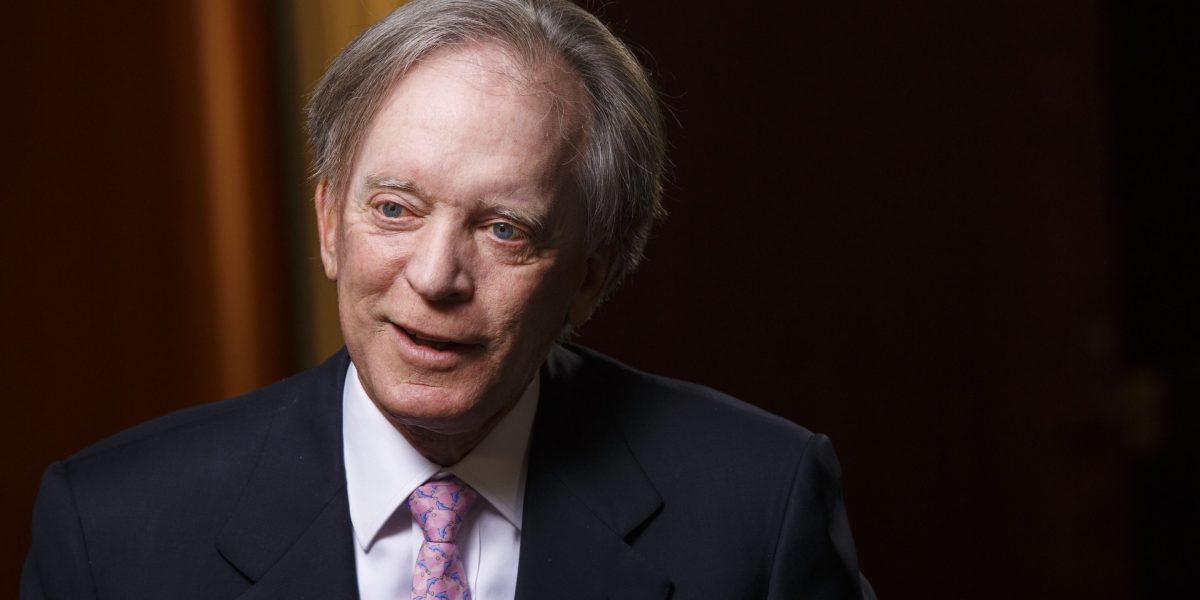
Source: Fortune.com
Summary
PIMCO cofounder Bill Gross warned that the global credit market, now at $84 trillion, is unbalanced and cautioned against holding long-term debt. He advised against bonds except for one-year Treasury bills and urged caution with stocks at record levels. Gross, known as the “Bond King,” highlighted risks from excessive debt, inflation, and future growth slowdowns. He also expressed skepticism about AI companies and noted threats to traditional telecom firms from space-based internet services. His investment strategy now focuses on preservation and protection.
Our Reading
The numbers tell one story.
Gross says debt is too high, growth is at risk, and bonds are not safe.
He’s a legend, but his warnings sound like a cautionary tale.
The market is changing, and hedge funds are making it more volatile.
The old rules don’t apply anymore, and no one knows what comes next.
Author: Evan Null
Bill Gross and the Bond King Legacy
Bill Gross, known as the “Bond King,” has long been a dominant force in the bond market. His strategies revolutionized how investors approached fixed income, moving beyond simple coupon collection to active trading. His influence helped shape modern bond investing, but the market has evolved significantly since his peak. Today, the landscape is more complex, with new players and strategies altering the traditional dynamics of the market.
The Credit Landscape and Debt Concerns
Gross highlighted that the global credit market has reached $84 trillion, with government, mortgage, and corporate debt all contributing to an unbalanced system. He warned that too much debt can lead to higher risk and lower earnings growth, especially during periods of weak productivity. His concerns reflect a broader unease about the sustainability of current debt levels and their potential impact on future economic growth.
The Role of Hedge Funds in the Bond Market
Hedge funds have become a major force in the bond market, particularly through the basis trade, which exploits small price differences between Treasury bonds and futures. Their growing presence has increased market volatility, and their behavior can affect liquidity, especially during times of stress. This shift has changed how the bond market operates, making it more dynamic and unpredictable than in the past.
Volatility and the 10-Year Treasury
The 10-year Treasury yield has surged to its highest level in 24 years, driven by geopolitical tensions and market uncertainty. This volatility has raised concerns about the bond market’s traditional role as a safe-haven asset. With hedge funds playing a larger role, the market’s stability is now more vulnerable, and traditional investors may find it harder to navigate the changing environment.
Gross’s Investment Strategy and Warnings
Gross is advising investors to be cautious, especially with stocks at record highs and bonds carrying significant risk. He prefers short-term Treasury bills and is skeptical of AI companies unless they have low valuations. He also warned that income funds trading at a discount could be risky if interest rates rise further. His focus on preservation and protection signals a shift in his approach, reflecting the current market’s unpredictability.