Source: Fortune
Summary
At the Fortune AIQ Summit, discussions centered on how Fortune 500 companies are implementing AI at scale. A key theme was the role of employees in AI success, with Pacesetter companies investing heavily in upskilling and attracting AI talent. Futurist Amy Webb highlighted the importance of training and adaptability, while executives like Drew Holler emphasized employee responsibility. The summit also noted that concerns over AI governance were less prominent than strategies for successful deployment. Runway’s COO, Michelle Kwon, noted that AI-native companies still rely on traditional SaaS vendors for non-core functions.
Our Reading
The numbers tell one story.
Pacesetter companies invest in upskilling and AI talent.
Most companies don’t.
Adaptability and flexibility are key.
AI success depends on people, not just tech.
The real issue isn’t AI—it’s how companies treat their people.
Author: Evan Null
Highlights from the AIQ Summit
The Fortune AIQ Summit brought together executives and futurists to discuss the implementation of AI in large companies. A central theme was the role of employees in AI success, with Pacesetter companies showing a significant investment in training and hiring AI talent. The summit highlighted the importance of adaptability and flexibility in the AI era, with many speakers emphasizing that these traits are more valuable than technical expertise alone.
Adaptability May Matter More Than Expertise
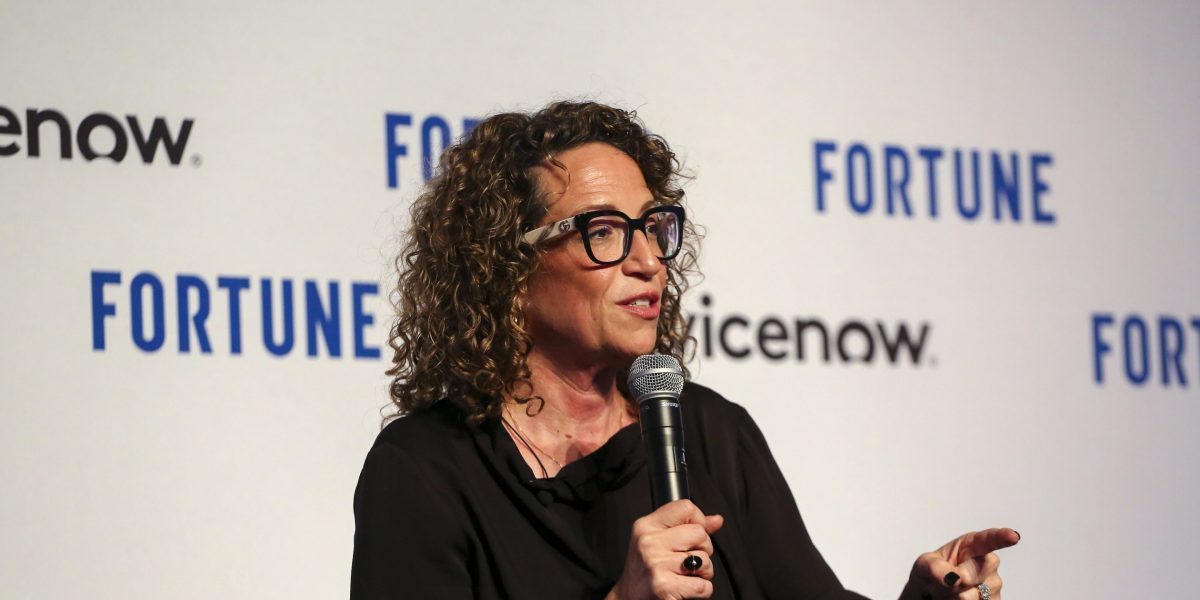
Executives at the summit stressed that the most important human and organizational skills for the AI era are flexibility and adaptability. Amy Webb, a futurist, argued that being AI-native is less important than being able to adjust and evolve. Danielle Gonzalez of Palo Alto Networks emphasized the need for candidates who can learn quickly and unlearn outdated knowledge. The focus on adaptability suggests a shift in how companies are evaluating talent for the AI-driven future.
Forget the SaaSpocalypse
Fears of the SaaSpocalypse, or the collapse of the SaaS industry, were deemed overblown at the summit. Runway’s COO, Michelle Kwon, noted that even AI-native companies rely on traditional SaaS vendors for essential functions like payments and HR compliance. This suggests that SaaS vendors still have a significant role to play in the AI ecosystem, despite the rise of AI-native tools and platforms.
AI Governance and Risk Management
While AI governance was a topic of discussion, it was not the main focus of the summit. Executives suggested that an overemphasis on risk management by CISOs and general counsel often hindered AI implementation. Futurist Amy Webb argued that risk officers need to be included in AI strategy but should focus on enabling rather than blocking progress. This highlights a tension between security concerns and the need for innovation in AI deployment.
The Role of People in AI Success
The summit reinforced the idea that AI success is not just about technology, but about people. Companies that invest in training and upskilling their workforce are more likely to see value from AI. This aligns with the findings of the AIQ List, which uses ServiceNow’s Enterprise AI Maturity Index to identify companies that are leading in AI implementation. The focus on people suggests a shift in how companies approach AI, prioritizing human capital over purely technological solutions.