Source: Fortune.com
Summary
Sarah Yager, with 30 years of experience in military affairs, joined OpenAI in June as its first Human Rights and Responsible Deployment Lead. She focuses on AI use in the military, particularly targeting and autonomous weapons. Yager raised concerns about AI risks during a conference and discussed her role in influencing OpenAI’s approach. The company recently signed a contract with the Department of War, following a dispute with Anthropic. Yager expressed concerns about AI’s use in military applications and worked with engineers to improve models based on international agreements. She also criticized the lack of diversity in AI leadership and emphasized the importance of human rights over AI rights.
Our Reading
The announcement sounds familiar.
OpenAI hired a military expert to manage AI risks.
Yager worries about AI in war and talks about human rights.
She joined after OpenAI beat Anthropic for a military contract.
Her role is both influence and caution in a tech-driven world.
Author: Evan Null
Yager’s Role at OpenAI
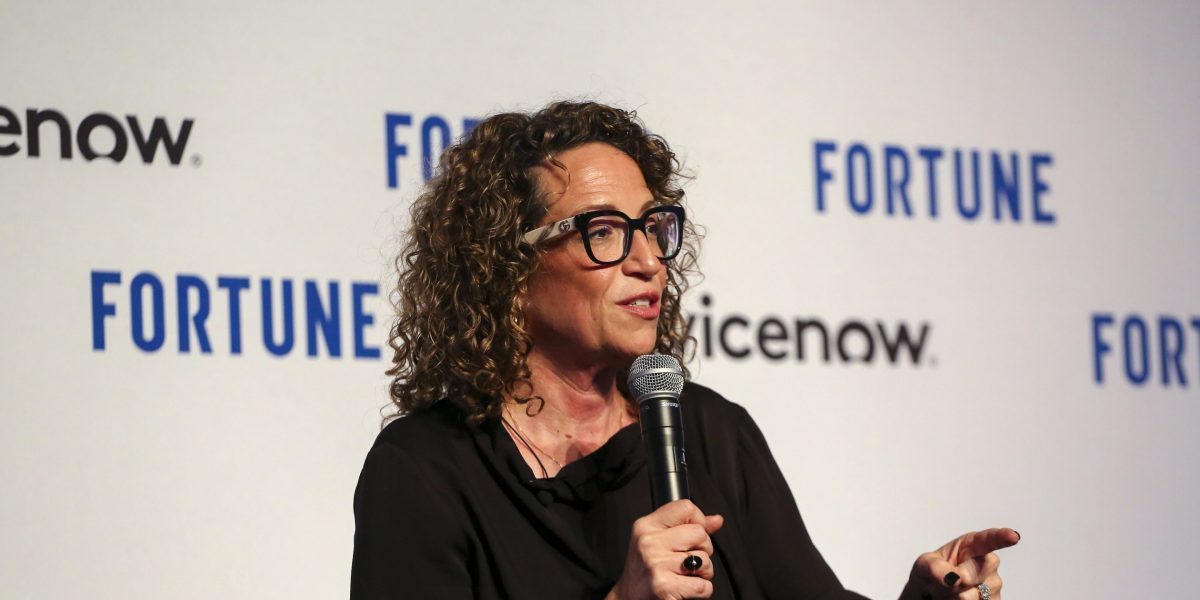
Sarah Yager took on the role of Human Rights and Responsible Deployment Lead at OpenAI in June. Her appointment came after a significant partnership with the Department of War, which OpenAI secured after Anthropic withdrew from a similar deal. Yager’s background in military affairs made her a natural fit for the position, as she has spent 30 years working on issues related to the military and AI.
Yager has spoken publicly about her concerns regarding the use of AI in warfare, particularly with autonomous weapons and targeting systems. She has expressed that the military’s rapid adoption of AI raises serious ethical and practical questions. Her role is to ensure that OpenAI’s technology is used responsibly, especially in high-stakes military applications.
Her position at OpenAI is not without controversy. Some questioned whether she was hired as a “branding exercise” to make the company appear more responsible. However, Yager conducted her own due diligence and felt compelled to join to influence the direction of AI development from within.
Since joining, Yager has worked directly with researchers and engineers to improve AI models, ensuring they align with international agreements like the Geneva Conventions. She has also emphasized the importance of human rights as a baseline for AI development, rather than allowing the tech industry to define morality on its own.
Yager has also raised concerns about the lack of diversity in AI leadership, pointing out that many of the key decision-makers in the field are men. She argues that this lack of representation could lead to biased or incomplete decisions about the future of AI.
OpenAI and the Department of War
OpenAI’s partnership with the Department of War was a major development in the AI industry. The contract, signed in late February, involved deploying advanced AI systems in classified environments. This deal followed a public disagreement between the DoW and Anthropic, which had wanted to impose stricter guardrails on military AI use, including bans on autonomous weapons and mass surveillance.
Anthropic’s refusal to comply with the DoW’s demands led to the company being labeled a supply chain risk. OpenAI, on the other hand, was able to secure the contract by claiming it had successfully negotiated similar guardrails with the DoW. This move positioned OpenAI as a more acceptable partner for the military, despite its own history of controversy.
Yager’s role in this context is to ensure that OpenAI’s AI is used responsibly, especially in military applications. She has worked with engineers to improve the models, ensuring they align with international agreements like the Geneva Conventions. This effort has been described as “extremely gratifying” by Yager herself.
The DoW’s rapid adoption of AI has raised concerns, particularly after a recent incident where the U.S. military nearly targeted a Chinese ship based on an AI-generated intelligence report. Yager has been working to prevent such errors by improving the accuracy and ethical alignment of AI systems.
Her work also includes helping oversight bodies like the Government Accountability Office and the Inspector General develop tools to monitor AI use. Yager believes such accountability is essential for maintaining democratic oversight of AI in government operations.
Yager’s Concerns About AI and Ethics
Yager has expressed concerns about the ethical implications of AI, particularly in the military. She has spoken about the risks of autonomous weapons and the potential for AI to be used in ways that violate international law. Her focus is on ensuring that AI is used in a way that respects human rights and international agreements.
One of her main arguments is that AI companies are trying to “reinvent the wheel” when it comes to defining morality and human rights. Yager believes that societies have already established these principles, particularly through agreements like the Geneva Conventions. She argues that AI development should be grounded in these existing frameworks, rather than allowing tech companies to define what is “good” or “ethical.”
Yager also addressed the debate around whether AI agents should have rights. During her interview with OpenAI, she initially said “no,” but has since reconsidered. She now sees the conversations about AI rights as important, but emphasizes that these are not the same as human rights. She believes the focus should remain on protecting human rights, not on granting rights to AI systems.
Her stance on AI rights has been met with applause from the audience at the ScaleUp:AI conference, where she spoke about the importance of keeping the focus on human rights. Yager’s perspective highlights the growing tension between AI development and ethical considerations, particularly in high-stakes applications like military use.
She also criticized the lack of diversity in AI leadership, pointing out that many of the key decision-makers in the field are men. Yager argues that this lack of representation could lead to biased or incomplete decisions about the future of AI, particularly when it comes to its use in global conflicts.
Yager and the Broader AI Landscape
Yager’s concerns about AI in the military are part of a broader conversation about the role of AI in society. As AI becomes more integrated into government and military operations, questions about accountability, ethics, and oversight become increasingly important. Yager’s role at OpenAI is to ensure that the company’s technology is used responsibly, particularly in high-stakes applications.
Her work has been influenced by recent events, such as the U.S. military’s near-miss with an AI-generated intelligence report. This incident has raised concerns about the accuracy and reliability of AI systems in critical decision-making processes. Yager has been working to improve these systems, ensuring they align with international agreements and ethical standards.
Yager has also been involved in efforts to improve transparency and oversight of AI in government operations. She has worked with oversight bodies like the Government Accountability Office and the Inspector General to develop tools that can monitor AI use. This effort is seen as essential for maintaining democratic oversight of AI in government operations.
Her perspective on AI ethics has been shaped by her experience in the military and her work with international agreements. Yager believes that AI development should be grounded in existing human rights frameworks, rather than allowing tech companies to define morality on their own. This approach has been met with support from some in the AI community, but also raises questions about the role of private companies in shaping global AI policy.
Yager’s role at OpenAI highlights the growing tension between AI development and ethical considerations. As AI becomes more powerful and more widely used, the need for responsible development and oversight becomes more urgent. Yager’s work represents an effort to ensure that AI is used in a way that respects human rights and international law.
Yager and the Future of AI Governance
Yager’s role at OpenAI is part of a broader movement to establish ethical and responsible AI governance. As AI becomes more integrated into government and military operations, the need for oversight and accountability becomes more pressing. Yager has been working to ensure that OpenAI’s technology is used in a way that aligns with international agreements and human rights principles.
Her efforts have included working with engineers to improve AI models, ensuring they respond appropriately to international agreements like the Geneva Conventions. She has also brought in international experts to test AI systems in high-stakes scenarios, which has been described as a “first of its kind” effort. This work has been seen as a step toward more responsible AI development.
Yager has also been involved in efforts to improve transparency and oversight of AI in government operations. She has worked with oversight bodies like the Government Accountability Office and the Inspector General to develop tools that can monitor AI use. This effort is seen as essential for maintaining democratic oversight of AI in government operations.
Her perspective on AI ethics has been shaped by her experience in the military and her work with international agreements. Yager believes that AI development should be grounded in existing human rights frameworks, rather than allowing tech companies to define morality on their own. This approach has been met with support from some in the AI community, but also raises questions about the role of private companies in shaping global AI policy.
Yager’s role at OpenAI highlights the growing tension between AI development and ethical considerations. As AI becomes more powerful and more widely used, the need for responsible development and oversight becomes more urgent. Yager’s work represents an effort to ensure that AI is used in a way that respects human rights and international law.