Source: Fortune
Summary
Google launched a satellite with AI chips into space as part of Project Suncatcher, testing how the hardware performs in extreme conditions. The satellite, developed with Planet Labs, is operating as expected and will run experiments for about a year. Google’s TPU chips are being tested for resilience against radiation and thermal extremes. The mission aims to explore the feasibility of orbital data centers, which could reduce Earth-based resource constraints. Experts caution about challenges like heat management, radiation, and repair difficulties in space.
Our Reading
The announcement sounds familiar.
Google launched a satellite with AI chips into space.
The mission tests how hardware performs in extreme conditions.
Experts warn about heat, radiation, and repair challenges.
The numbers tell one story: space is hard, but tech giants are trying anyway.
Author: Evan Null
Project Suncatcher: Google’s Space AI Experiment
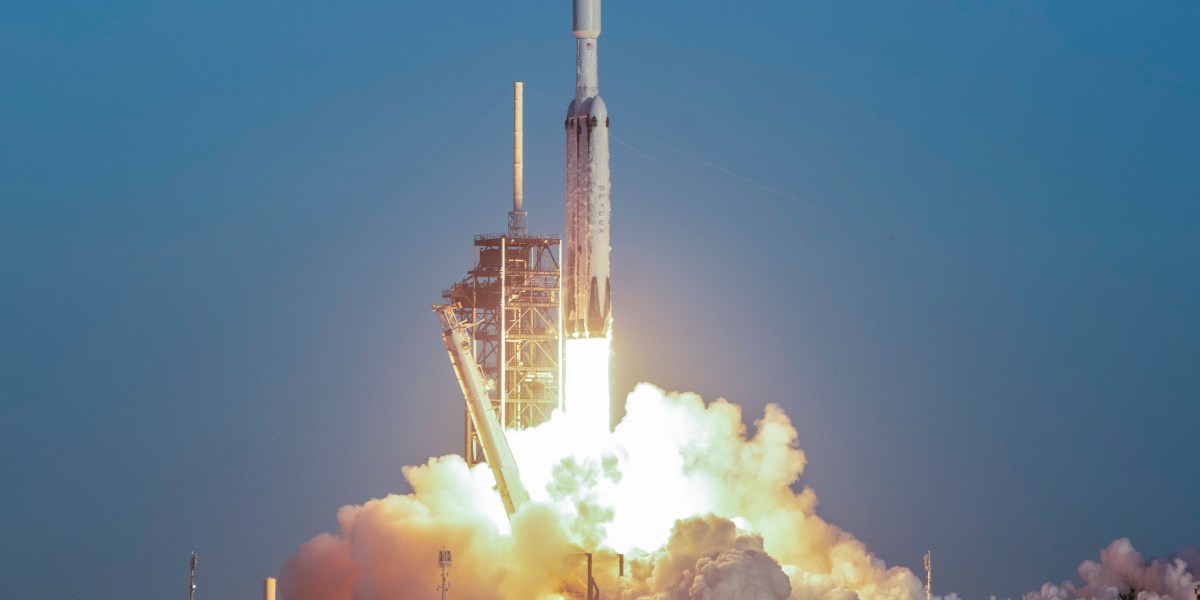
Google’s Project Suncatcher is a bold attempt to test the feasibility of AI data centers in space. The company launched a refrigerator-sized satellite carrying four AI chips into orbit on a SpaceX rocket. The mission is part of a broader effort to explore how AI hardware can function in the harsh environment of space, including radiation and extreme temperatures.
The satellite, developed in partnership with Planet Labs, is operating as expected and will conduct experiments in low Earth orbit for about a year. Google’s custom TPU chips are being tested for their ability to withstand the intense vibrations of launch and the thermal extremes of space. The satellite is powered by solar panels, but the lack of water or fans for cooling means the chips can only run for 15 minutes at a time before needing to cool down.
Despite the challenges, the project represents a significant step forward in the development of orbital data centers. Google is not alone in this effort, as other companies like SpaceX and Blue Origin have also proposed similar initiatives. Elon Musk has previously claimed that the lowest-cost place to put AI will be space, and Jeff Bezos’ Blue Origin has also filed plans for a satellite network.
However, experts have raised concerns about the practicality of space-based data centers. The cost of transporting equipment to space remains high, and the risk of radiation damage to hardware is significant. Additionally, repairing equipment in space is far more difficult than on Earth, adding another layer of complexity to the project.
Google’s efforts are part of a larger trend in the tech industry, where companies are exploring new ways to meet the growing demand for AI computing power. As traditional data centers face constraints on power, water, and land, space-based solutions are becoming increasingly attractive, even if they are still in the early stages of development.
Challenges of Space-Based Data Centers
One of the main challenges of building data centers in space is the need for massive solar arrays to generate enough energy. These arrays, along with other equipment, are expensive to transport to space. Despite SpaceX’s efforts to reduce launch costs, the expense of sending heavy payloads into orbit remains a major obstacle.
Another issue is the effect of radiation on AI chips. Google’s Project Suncatcher satellite is designed to test how its TPU chips handle radiation exposure. While the company claims its chips can survive a radiation total ionizing dose greater than what they would receive during a five-year mission, solar events and cosmic rays still pose a risk.
Repairing equipment in space is also a significant challenge. Unlike on Earth, where maintenance is relatively straightforward, fixing hardware in orbit is far more complex and costly. This makes the long-term viability of space-based data centers uncertain, at least in the near term.
Despite these challenges, Google is not the only company exploring the concept. Startups like Starcloud and Cowboy Space Corp. have also launched satellites with AI hardware, demonstrating that the idea is gaining traction. These efforts suggest that while space-based data centers may still be in the experimental phase, they are no longer just a theoretical concept.
The future of orbital data centers remains unclear, but the fact that major tech companies are investing in the idea shows that the concept is being taken seriously. Whether it will become a viable solution for AI computing remains to be seen, but the experiments being conducted now are laying the groundwork for future developments.
The Role of SpaceX and Other Space Companies
SpaceX has played a crucial role in enabling the development of space-based data centers. The company has significantly reduced the cost of launching payloads into orbit, making it more feasible for companies like Google to test their ideas in space. SpaceX’s Falcon 9 rocket was used to launch Google’s Project Suncatcher satellite, demonstrating the company’s growing influence in the space industry.
Elon Musk, the founder of SpaceX, has been a vocal advocate for the idea of space-based data centers. He has claimed that the lowest-cost place to put AI will be space, and his company has filed plans with the Federal Communications Commission to launch a network of up to 1 million data-center satellites. This ambitious project highlights the potential of space as a new frontier for computing infrastructure.
Jeff Bezos’ Blue Origin has also entered the space race with its own proposal for a satellite network called Project Sunrise. The plan involves deploying 51,600 satellites to support AI computing in space. This shows that multiple companies are exploring the same idea, suggesting that the concept may have real potential, even if it is still in the early stages.
While SpaceX and Blue Origin are leading the charge, other companies are also contributing to the development of space-based computing. Startups like Starcloud and Cowboy Space Corp. have launched their own satellites, demonstrating that the idea is gaining momentum. These efforts suggest that the space-based data center concept is no longer just a dream, but a serious area of research and development.
As the technology continues to evolve, it remains to be seen whether space-based data centers will become a viable alternative to traditional computing infrastructure. For now, the experiments being conducted by companies like Google and SpaceX are providing valuable insights into the challenges and possibilities of this emerging field.
Future Plans and Challenges
Google has ambitious plans for the future of Project Suncatcher. The company is planning to send two more satellites into space in 2027 to test how they can communicate via lasers. This will require precision similar to hitting a coin-size target from miles away while both points are in motion, according to Google’s blog post. These tests are a critical step in determining whether space-based data centers can function effectively.
Despite the progress being made, the ultimate dream of putting data centers into space may not come to fruition in the near future. James Manyika, Google’s senior vice president for research, has acknowledged that the development of space-based computing will take time, comparing it to Google’s long-term research efforts. He suggested that the project may take years before it shows significant results.
Other experts have also expressed skepticism about the feasibility of space-based data centers. While the concept is intriguing, the challenges of heat management, radiation, and equipment repair remain significant. These obstacles must be overcome before the idea can become a reality.
Nevertheless, the interest in space-based computing is growing. Companies like SpaceX and Blue Origin are investing heavily in the space industry, and startups are exploring new ways to leverage the unique advantages of space for AI computing. This suggests that the concept may not be as far-fetched as it once seemed.
As Google and other companies continue to experiment with space-based data centers, the future of computing may be heading in a new direction. Whether this vision becomes a reality remains to be seen, but the efforts being made now are laying the foundation for future developments in this exciting field.
Implications for the Future of AI and Computing
The development of space-based data centers has significant implications for the future of AI and computing. As the demand for AI processing power continues to grow, traditional data centers are facing increasing constraints on resources such as power, water, and land. Space-based solutions offer a potential way to overcome these limitations, allowing for more efficient and scalable computing infrastructure.
Google’s Project Suncatcher is one of the first major steps in exploring this concept. By testing AI hardware in space, the company is gathering valuable data that could inform future developments in orbital computing. The results of these experiments may help determine whether space-based data centers are a viable option for the long term.
Other companies are also investing in the space industry, with SpaceX and Blue Origin leading the way. Their efforts to reduce launch costs and improve access to space are making it more feasible for companies to experiment with new technologies. This trend suggests that the space-based computing industry may be on the cusp of significant growth.
However, the challenges of operating data centers in space are still significant. The need for massive solar arrays, the risk of radiation damage, and the difficulty of repairing equipment in orbit all present major obstacles. These issues must be addressed before space-based data centers can become a practical solution for AI computing.
Despite these challenges, the interest in space-based computing is growing. As companies continue to explore the possibilities, it is clear that the future of AI and computing may involve more than just traditional data centers. Whether space-based solutions will become a reality remains to be seen, but the experiments being conducted now are laying the groundwork for future developments in this exciting field.