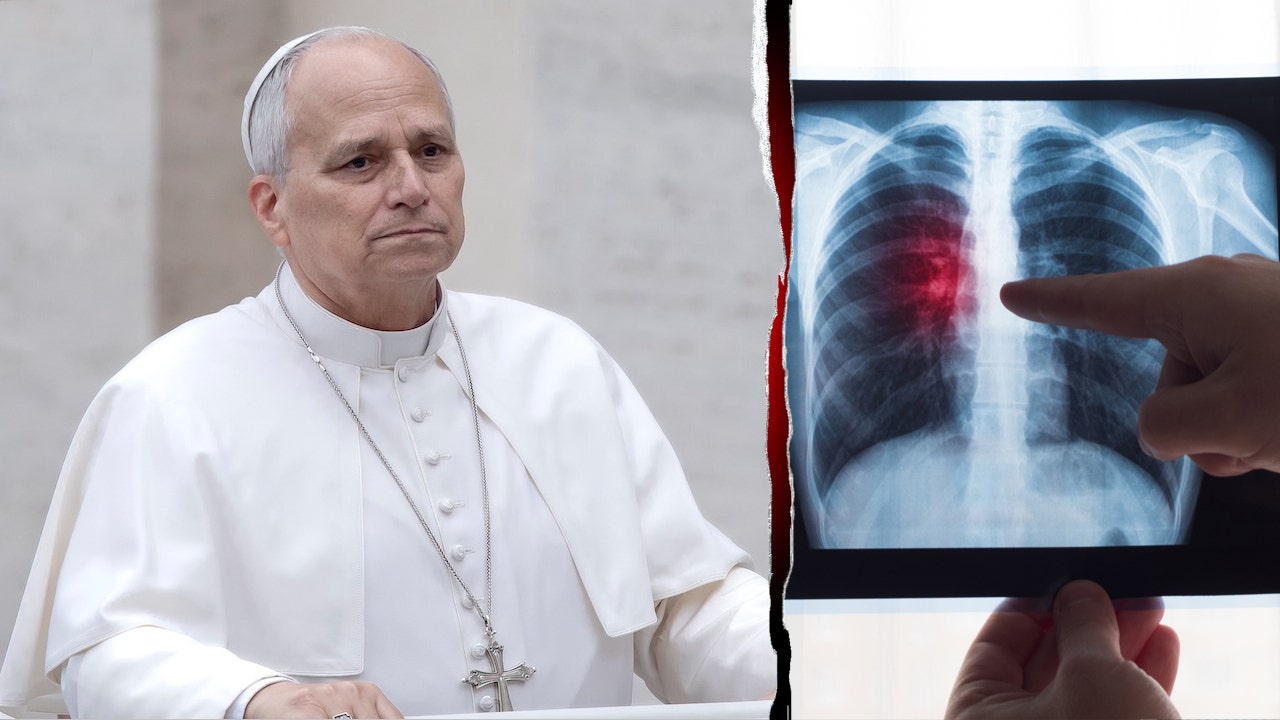
Source: Fox News
Summary
Pope Leo XIV was diagnosed with lung adenocarcinoma after surgery to remove part of his right lung, the Vatican announced. The diagnosis was suspected before the procedure, according to the Holy See Press Office. The Pope does not smoke, though lung cancer can occur in non-smokers. Experts note that about 10% of male and 25% of female lung cancer patients never smoked. Dr. Lary Robinson, an oncologist, said the Pope likely had stage 1 cancer, which has a high chance of cure. Other risk factors include genetic mutations, environmental toxins, and exposure to secondhand smoke.
Our Reading
This guidance has been heard before.
Lung cancer is often linked to smoking, but non-smokers can also be affected.
Genetic mutations and environmental factors play a role.
Early detection improves outcomes, but many cases are found at later stages.
The Pope’s case highlights how health risks can be unpredictable.
Author: Evan Null
Diagnosis and Surgery
The Pope was diagnosed with lung adenocarcinoma after undergoing surgery to remove part of his right lung. The Holy See Press Office stated that the diagnosis had been suspected before the procedure. Lung adenocarcinoma is the most common type of lung cancer, and it occurs in both smokers and non-smokers.
Smoking and Lung Cancer
While most lung cancer deaths are linked to smoking, the Pope does not smoke. Experts say that about 10% of male and 25% of female lung cancer patients never smoked. Dr. Lary Robinson noted that lung cancer can occur in non-smokers due to other factors, such as genetic mutations and environmental exposure.
Risk Factors and Genetic Mutations
Other risk factors for lung cancer include exposure to environmental toxins, such as radon and diesel exhaust. A rare genetic mutation, EGFR T790M, was found to increase lung cancer risk by 25 times. Among non-smokers, carriers of this mutation had 62 times the odds of developing lung cancer.
Early Detection and Screening
Early-stage lung cancer often has no symptoms, which can delay diagnosis. Annual CT screening is recommended for those at high risk, such as current or former smokers with a 20 pack-year history. However, only about 15% of eligible people undergo screening.
Future of Lung Cancer Screening
Dr. Robinson suggested that future screening could involve a blood test before a CT scan, making the process more accessible. This approach could help detect more cases earlier, improving outcomes for patients. The Pope’s case highlights the importance of ongoing research and evolving screening methods.