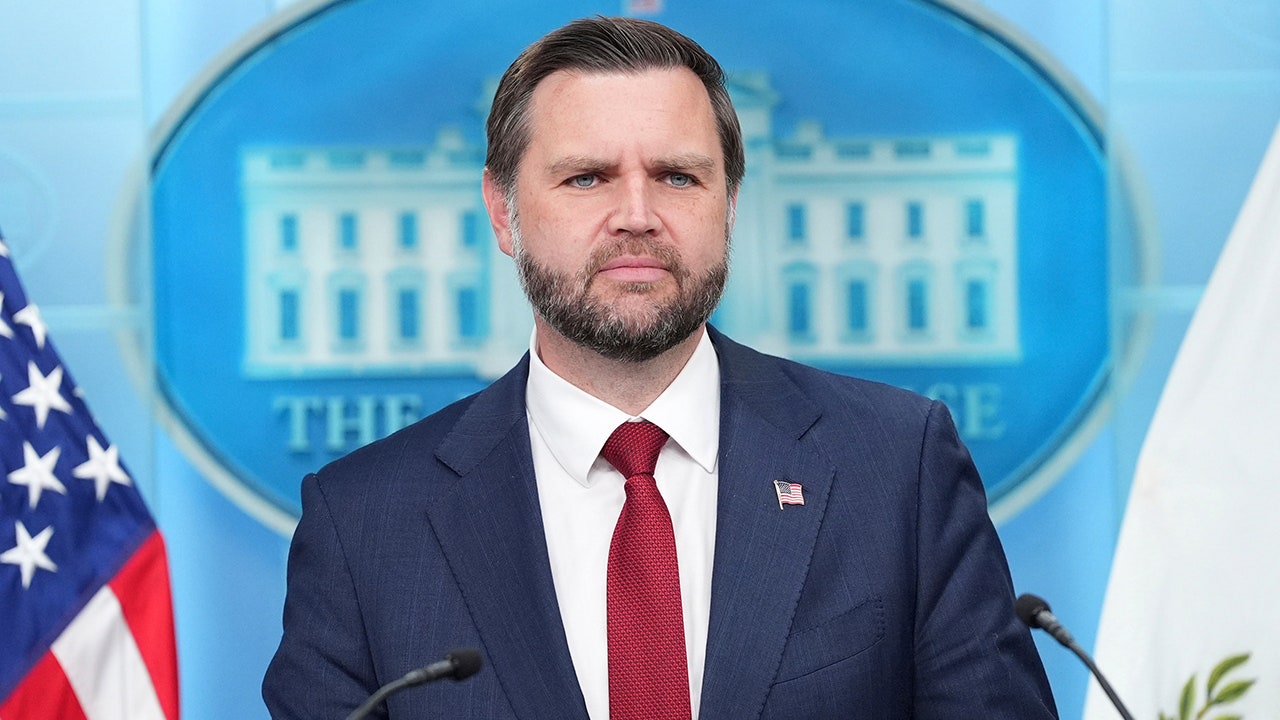
Source: Fox News
Summary
Vice President JD Vance declined to endorse Israeli Prime Minister Benjamin Netanyahu’s reelection bid, stating he will focus on U.S. candidates ahead of the midterms. Vance said he does not plan to get involved in Israeli elections, despite President Donald Trump endorsing Netanyahu. Trump praised Netanyahu as a key U.S. ally in confronting Iran, calling him a “Great Warrior Prime Minister.” Netanyahu welcomed Trump’s support, calling him a “greater friend in the White House.” Vance’s decision follows his earlier involvement in Hungary’s election, where he campaigned for Viktor Orban.
Our Reading
As expected, the matter has reached another stage.
Vance says he won’t endorse Netanyahu.
Trump says he will.
Netanyahu thanks Trump.
It’s a performance of loyalty and distance.
Author: Evan Null
JD Vance’s Political Position
Vice President JD Vance has taken a clear stance by declining to endorse Israeli Prime Minister Benjamin Netanyahu’s reelection bid. This decision comes amid a broader focus on U.S. political affairs, particularly the upcoming midterms. Vance emphasized that his support is reserved for American candidates, signaling a deliberate separation from foreign elections.
Trump’s Endorsement of Netanyahu
President Donald Trump has publicly endorsed Netanyahu, calling him a “Great Warrior Prime Minister” and a key ally in the fight against Iran. Trump’s endorsement was framed as a strong statement of support, reinforcing the U.S.-Israel alliance. This move highlights the ongoing influence of Trump in international political dynamics.
Netanyahu’s Response
Israeli Prime Minister Benjamin Netanyahu welcomed Trump’s endorsement, calling it “extraordinary” and expressing gratitude for the support. Netanyahu emphasized the importance of the U.S.-Israel relationship, particularly in the context of regional security and the threat posed by Iran. His response underscores the significance of American backing in Israeli politics.
Vance’s Previous Involvement in Foreign Elections
Vance’s decision to stay out of Israel’s election follows his earlier involvement in Hungary’s political contest. In April, he campaigned for then-Prime Minister Viktor Orban, who ultimately lost his reelection bid. This history suggests a pattern of engagement in foreign political affairs, even as Vance now chooses to focus on domestic issues.
Implications for U.S. Foreign Policy
The contrasting positions of Vance and Trump on Netanyahu’s reelection highlight the complexities of U.S. foreign policy. While Trump emphasizes strong alliances and direct support, Vance takes a more cautious approach, prioritizing U.S. electoral concerns. This divergence reflects broader debates within the administration about the role of American influence in global politics.