Source: Fox News
Summary
House Speaker Mike Johnson warned that violent riots in France could mirror potential unrest in the U.S. if Democrats win the midterms. He linked the chaos to far-left groups and open border policies, comparing them to the Democratic Party. Over 500,000 people protested in France, with 1,800 arrests reported. French authorities blamed far-left groups for the violence, while some right-wing figures linked the unrest to immigration. Images of burning buildings and looted stores circulated online.
Our Reading
As expected, the matter has reached another stage.
Johnson compares French riots to Democratic policies.
Protesters burn buildings, loot stores, and carry foreign flags.
Authorities blame far-left groups, others blame immigration.
France’s unrest becomes a warning for America’s future.
Author: Evan Null
France’s Unrest and the American Warning
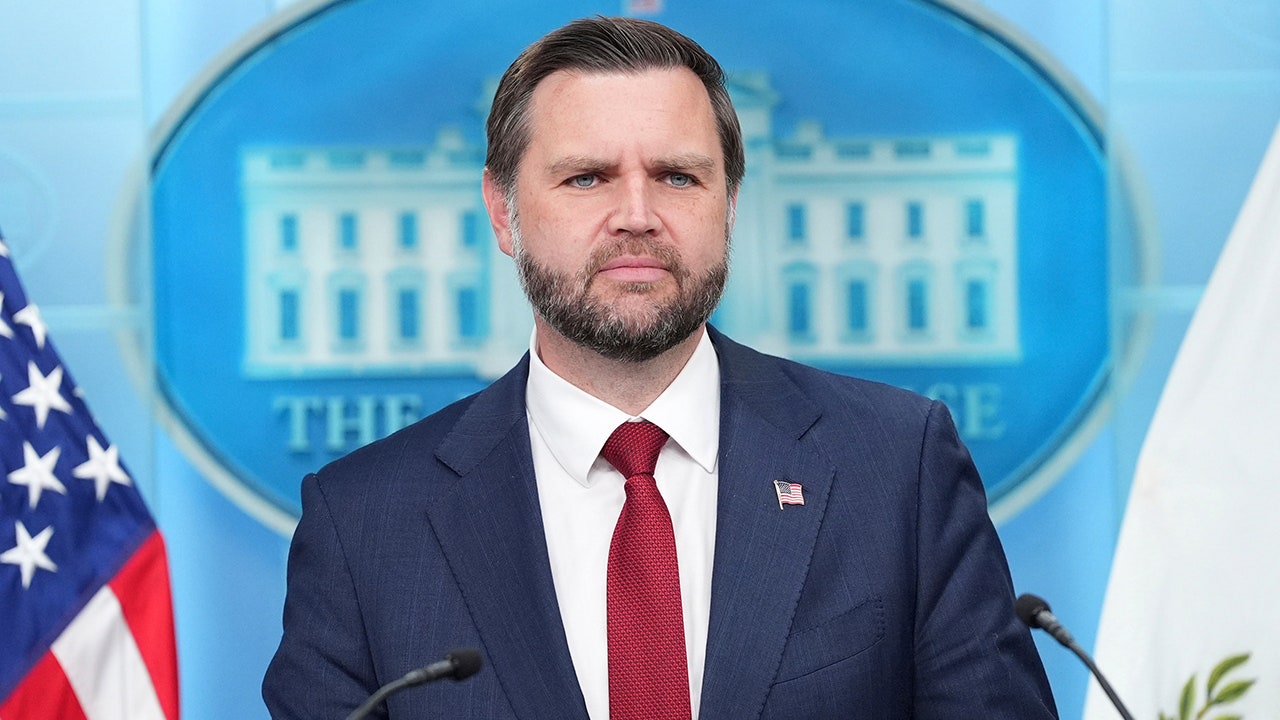
The violent riots in France have become a focal point for political figures in the U.S., who see them as a warning of what could happen if Democrats gain power. House Speaker Mike Johnson has drawn a direct line between the chaos in France and the policies of the Democratic Party, suggesting that open borders and far-left influence could lead to similar unrest in the U.S.
Over 500,000 people took to the streets in France, protesting issues like high living costs and education prices. The protests turned violent, with hundreds arrested and historic buildings destroyed. French authorities have blamed far-left groups for inciting the violence, while some right-wing figures have pointed to immigration as the root cause.
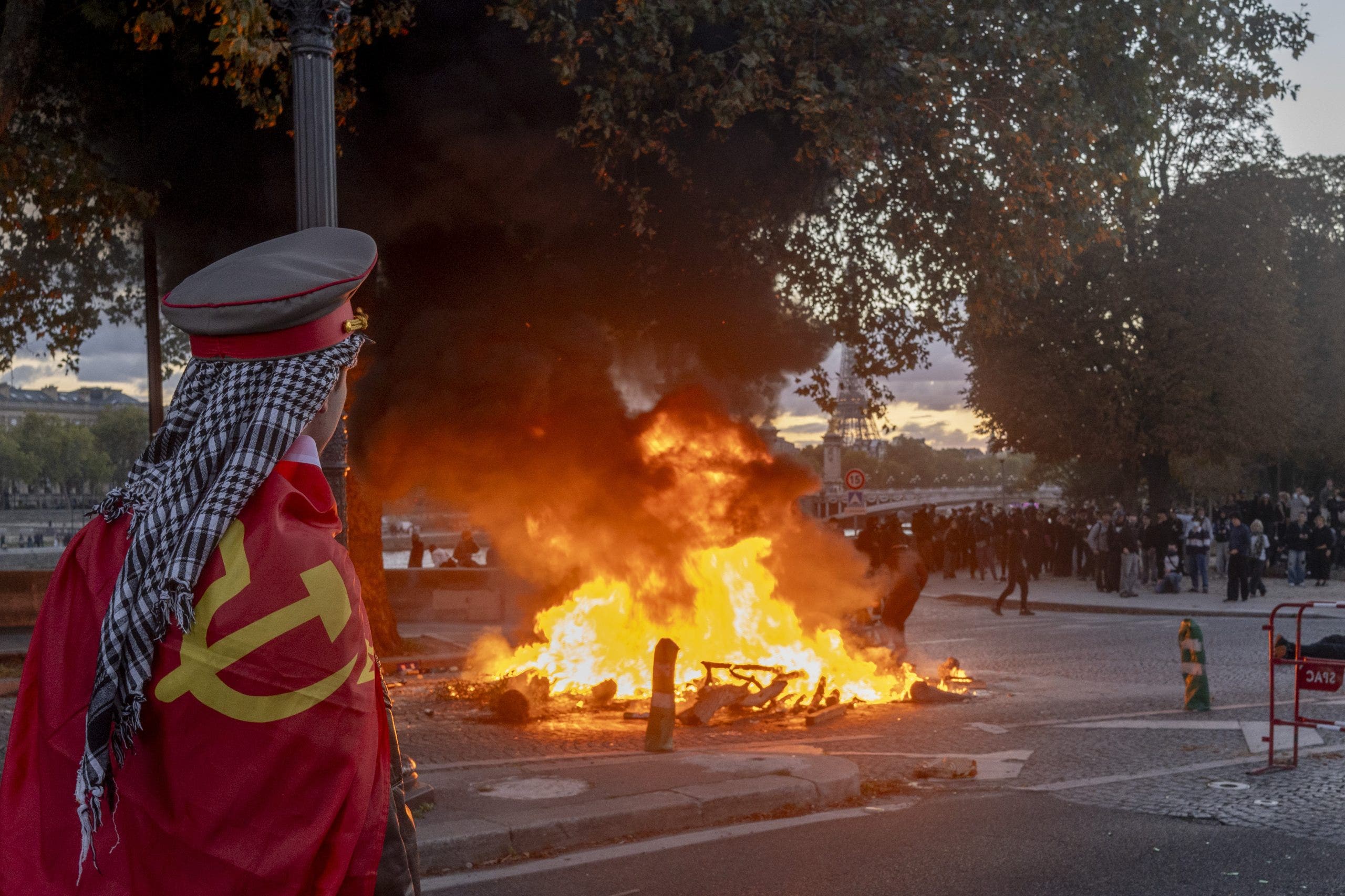
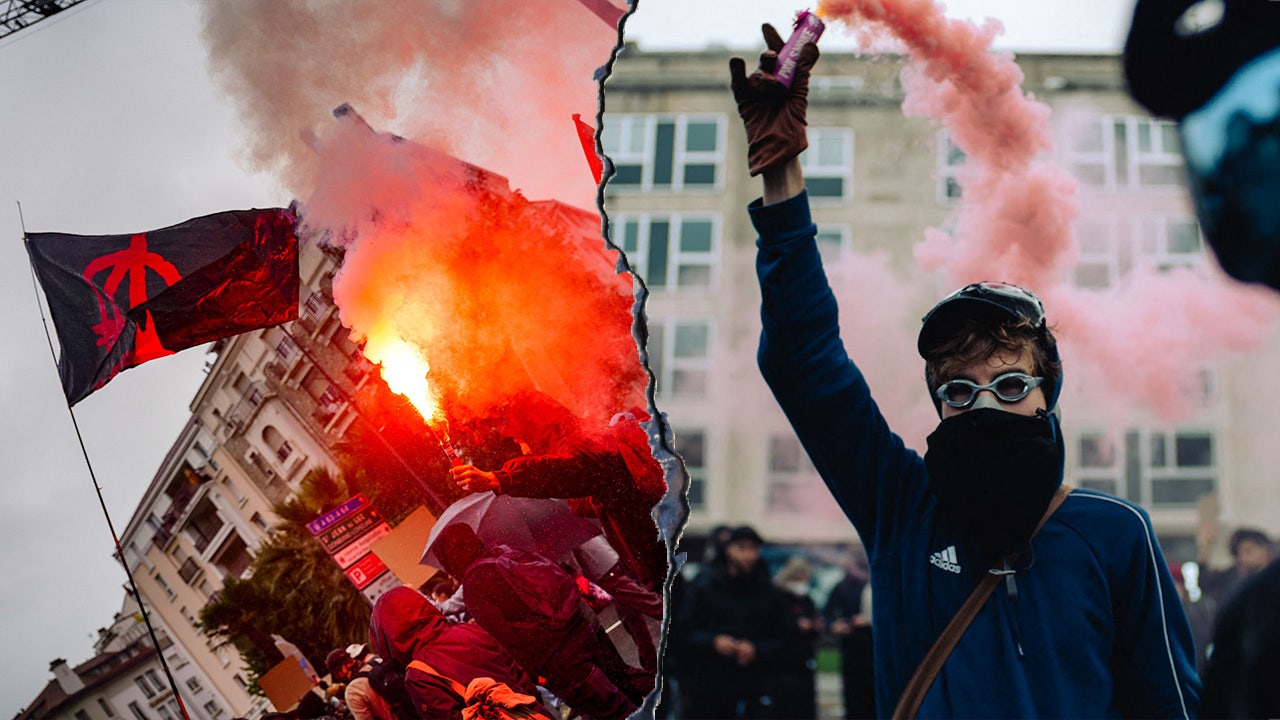
Images of masked protesters setting fire to public property and looting stores have circulated widely. Some protesters carried flags from countries like Algeria, Palestine, and Morocco, which has led to increased scrutiny of France’s immigration policies. Right-wing politicians have used these images to argue that large-scale immigration leads to social collapse.
Johnson and other Republican figures have framed the situation as a battle for the preservation of American values. They argue that if Democrats take control, the U.S. could face open borders and an influx of immigrants who threaten the country’s way of life. This rhetoric has been echoed by figures like Rep. Brandon Gill, who has linked the French unrest to progressive policies.
The comparison between France and the U.S. is not new, but it has gained renewed attention as the midterms approach. The events in France have become a political tool, used to shape narratives about immigration, governance, and the future of the country.
Political Rhetoric and the Performance of Fear
Political figures in the U.S. have turned the events in France into a cautionary tale, using them to frame the upcoming midterms as a critical moment for the country. The language used by figures like Mike Johnson is not new, but it has been repeated with increasing frequency as the election draws near.
The comparison between French riots and American politics is a familiar pattern. It relies on the idea that what happens abroad is a reflection of what could happen at home, especially when it comes to issues like immigration and governance. This kind of rhetoric is designed to create urgency and fear, often without providing concrete evidence.
Despite the lack of direct connection between the two situations, the narrative persists. It is a performance of political concern, one that plays to the fears of a specific audience. The repetition of this message is as much about maintaining a political identity as it is about addressing real issues.
The use of images from France—burning buildings, looted stores, and masked protesters—has become a visual shorthand for chaos. These images are not analyzed in depth but are used to support a pre-existing argument. The focus is on the spectacle rather than the underlying causes.
Political figures have turned the events in France into a tool for shaping public opinion. The message is clear: if Democrats win, the U.S. could face similar unrest. This is not just a warning, but a performance of fear, one that is repeated and reinforced through media and rhetoric.
The Ritual of Political Warnings
Political warnings about foreign unrest are not new. They are part of a ritual that plays out during election cycles, where events in other countries are used to shape narratives about domestic issues. This ritual is not about understanding the complexities of other nations, but about reinforcing a specific political message.
The events in France have been used to highlight concerns about immigration, governance, and social order. These concerns are not unique to the U.S., but they are framed in a way that makes them seem urgent and immediate. The message is clear: the future of the country depends on the outcome of the midterms.
The repetition of this message is a form of political performance. It is not about providing solutions, but about creating a sense of urgency. The language used is designed to provoke fear, not to offer clarity. The focus is on the threat, not the reality.
Political figures have turned the events in France into a cautionary tale, one that is used to shape public opinion. The message is not about the specific issues in France, but about the broader implications for the U.S. This is a performance of political concern, one that is repeated with increasing frequency as the election approaches.
The use of foreign unrest as a political tool is a familiar pattern. It is not about understanding the situation in France, but about using it to shape the narrative in the U.S. This is not a new strategy, but it is one that is used with increasing frequency in the current political climate.
The Performance of Fear and the Politics of Comparison
The comparison between France and the U.S. is not about understanding the situation in France, but about using it to shape the political narrative at home. This is a performance of fear, one that is designed to influence public opinion and reinforce a specific political message.
Political figures have framed the events in France as a warning, suggesting that if Democrats win the midterms, the U.S. could face similar unrest. This message is not based on a deep analysis of the situation in France, but on a selective interpretation that serves a political purpose.
The use of images from France—burning buildings, looted stores, and masked protesters—has become a visual shorthand for chaos. These images are not analyzed in depth, but are used to support a pre-existing argument. The focus is on the spectacle rather than the underlying causes.
The repetition of this message is a form of political performance. It is not about providing solutions, but about creating a sense of urgency. The language used is designed to provoke fear, not to offer clarity. The focus is on the threat, not the reality.
Political figures have turned the events in France into a tool for shaping public opinion. The message is clear: if Democrats win, the U.S. could face similar unrest. This is not just a warning, but a performance of fear, one that is repeated and reinforced through media and rhetoric.
The Ritual of Political Warnings and the Politics of Fear
Political warnings about foreign unrest are not new. They are part of a ritual that plays out during election cycles, where events in other countries are used to shape narratives about domestic issues. This ritual is not about understanding the complexities of other nations, but about reinforcing a specific political message.
The events in France have been used to highlight concerns about immigration, governance, and social order. These concerns are not unique to the U.S., but they are framed in a way that makes them seem urgent and immediate. The message is clear: the future of the country depends on the outcome of the midterms.
The repetition of this message is a form of political performance. It is not about providing solutions, but about creating a sense of urgency. The language used is designed to provoke fear, not to offer clarity. The focus is on the threat, not the reality.
Political figures have turned the events in France into a cautionary tale, one that is used to shape public opinion. The message is not about the specific issues in France, but about the broader implications for the U.S. This is not a new strategy, but it is one that is used with increasing frequency in the current political climate.
The use of foreign unrest as a political tool is a familiar pattern. It is not about understanding the situation in France, but about using it to shape the narrative in the U.S. This is not a new strategy, but it is one that is used with increasing frequency in the current political climate.