Source: Fortune.com
Summary
Since the rise of ChatGPT in 2022, concerns about an AI bubble have persisted, with Wall Street repeatedly questioning if the boom is nearing its end. Despite multiple red flags, including AI chipmaker Nvidia’s market cap milestones, AI hyperscalers’ debt, and the DeepSeek shock, earnings and stock prices have continued to rise. Recently, CoreWeave’s stock drop and rising credit default swaps have sparked new worries. Analysts like Dan Greenhaus of Solus Alternative Asset Management argue that previous signs of weakness were overblown, and the AI sector’s fundamentals remain strong. However, rising interest rates and debt costs are putting pressure on riskier AI ventures. Gartner warned that AI data center owners may face significant write-downs by 2030, while Bank of America noted the AI investment cycle may end in disappointment despite technological progress.
Our Reading
The numbers tell one story.
Nvidia’s market cap milestones triggered bearish warnings.
CoreWeave’s stock and credit default swaps spiked.
Analysts say AI fundamentals are still strong.
Greenhaus says past warnings were overblown.
The AI bubble is still a topic of debate.
Author: Evan Null
AI Boom and Bust: A Recurring Pattern
The AI boom has been marked by a series of warnings that have failed to halt its momentum. Since the release of ChatGPT in late 2022, investors have repeatedly questioned whether the sector is in a bubble. Each time a new indicator emerges—such as Nvidia’s market cap reaching new heights or the DeepSeek shock in early 2025—concerns resurface. However, despite these warnings, AI-related stocks have continued to climb, setting new records. This pattern has led to skepticism about whether these concerns are genuine or simply part of the usual cycle of market speculation.
Debt and Capital Spending: A Growing Concern
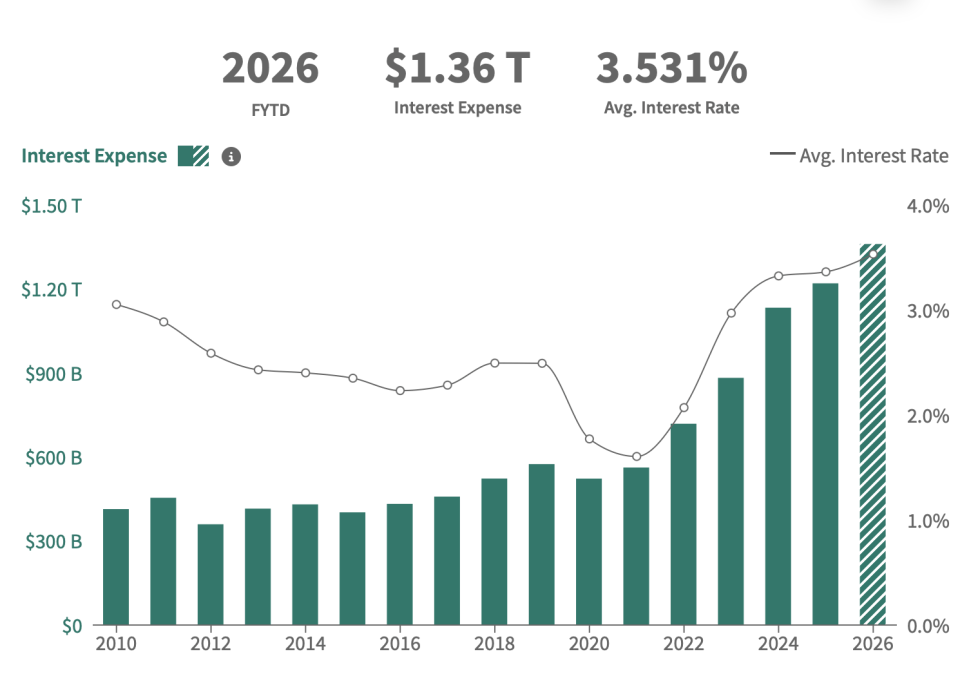
One of the key concerns surrounding the AI boom is the massive amount of debt being taken on by AI hyperscalers. These companies have been investing heavily in capital expenditures, raising questions about whether the returns will justify the costs. The recent struggles of CoreWeave, a neocloud computing firm, have only added to these concerns. Its stock has dropped, and credit default swaps have surged, signaling growing unease about the sustainability of AI-related debt. However, some analysts argue that these are just the usual signs of market volatility and not necessarily a sign of an impending bust.
Market Reactions and Analyst Perspectives
Analysts like Dan Greenhaus of Solus Alternative Asset Management have expressed skepticism about the idea that the AI boom is about to collapse. He points out that over the past three years, every sign of weakness has been interpreted as a potential end to the bull market, only for stocks to continue rising. Greenhaus believes that the current concerns about CoreWeave are no different from previous warnings and that the broader AI sector remains strong. However, he also acknowledges that rising interest rates and higher borrowing costs could eventually put pressure on the riskier parts of the AI ecosystem.
Investor Sentiment and the Risk of Overvaluation
Despite the concerns, many investors remain optimistic about the future of AI. Some see the recent selloff as a buying opportunity, believing that the long-term demand for AI will continue to grow. However, the challenge lies in whether the current revenue projections can support the massive spending that has already taken place. Gartner has warned that AI data center owners may need to generate over $8.5 trillion in revenue by 2030 to cover their costs, which is significantly higher than the projected $3.6 trillion in AI-related revenue. This gap highlights the risk of overvaluation in the sector.
The Classic Capital Cycle and AI’s Future
Bank of America has noted that the AI investment boom is following a classic capital cycle, which often ends in disappointment. While the underlying technology may live up to expectations, the financial returns can fall short due to overinvestment and increased competition. This pattern has been seen in other industries, and AI is no exception. With competition intensifying, particularly from Chinese open-weight models, and business spending on AI starting to dip, the sector may face challenges in maintaining its current pace of growth. Analysts warn that the current optimism may not be enough to sustain the high valuations seen in the market today.