Source: Fortune
Summary
Revathi Advaithi, CEO of Flex, warned that U.S. infrastructure is unprepared for the rise of AI, particularly the power grid. She emphasized that without upgrades, even advanced AI technologies will fail. Advaithi noted that building a reliable power grid takes decades, while AI development moves quickly. A 2025 study predicts data centers could consume 11.8% of U.S. electricity by 2030. She criticized the slow pace of energy innovation and regulatory delays. Advaithi said the U.S. risks a power deficit that could hinder AI progress.
Our Reading
The numbers tell one story.
Advaithi says AI needs power, but the grid is outdated.
She blames slow innovation and regulation for the gap.
Energy hasn’t changed since Edison’s time, she says.
The real problem isn’t AI—it’s the grid.
Author: Evan Null
AI and the Grid
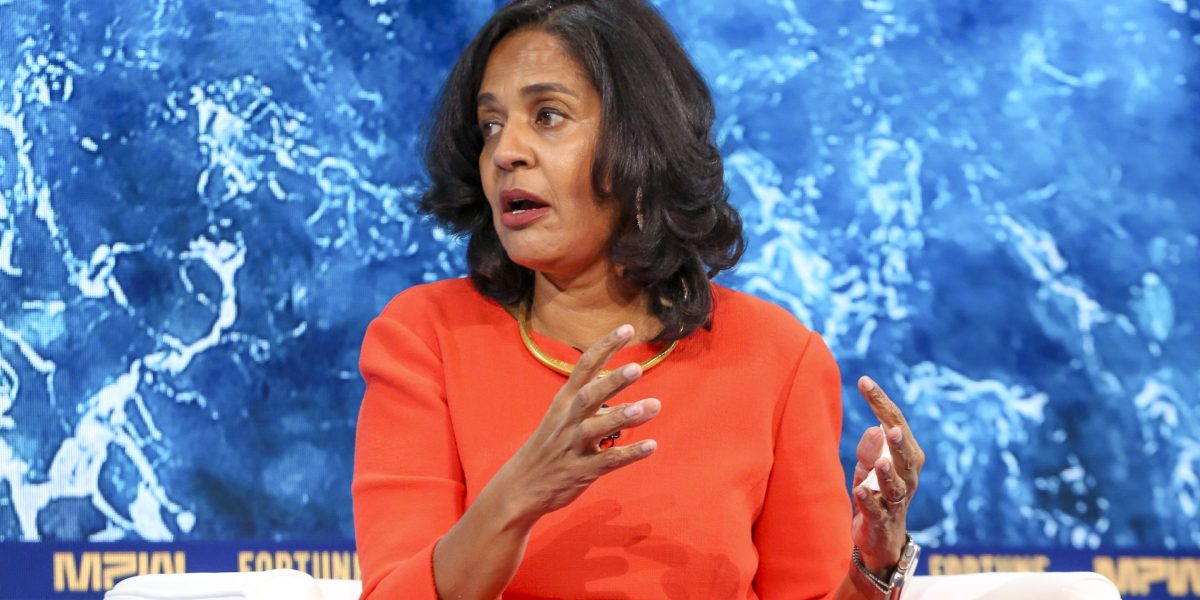
Revathi Advaithi, CEO of Flex, is warning that AI’s growth could be stifled by the U.S. power grid’s inability to keep up. She spoke at Fortune’s Most Powerful Women Summit, where she stressed that energy infrastructure is a critical bottleneck. Advaithi said the grid is not ready for the demands of AI, which requires massive amounts of electricity. She pointed to the 2025 Berkeley study, which estimates data centers could consume 11.8% of U.S. electricity by 2030. Advaithi argues that without significant upgrades, the U.S. will face a power deficit that could slow AI development.
Slow Innovation and Regulation
Advaithi said that while AI development is fast, power grid innovation is slow. She said it takes decades to build a reliable grid, while AI chips can be developed in five years. She criticized the slow pace of energy innovation and the lengthy approval processes for new power technologies. Advaithi said data centers are not moving quickly enough to adopt new innovations. She warned that without faster progress, the U.S. will struggle to support the growing energy needs of AI.
The Edison Era Mentality
Advaithi compared the current state of the power grid to the era of Thomas Edison, saying that energy innovation hasn’t changed much since then. She argued that the grid is outdated and in need of major upgrades. Advaithi said that the U.S. is far behind in power infrastructure and that it will take a long time to catch up. She emphasized that the grid is not just a technical issue but a societal one, as it affects people’s daily lives.
Regulatory and Safety Concerns
Advaithi said that energy innovation is hindered by safety and regulatory issues. She noted that there are “tremendous amounts” of approval processes for new power technology. Advaithi said that the slow pace of regulation is a major obstacle to progress. She warned that without faster approvals, the U.S. will not be able to support the energy demands of AI. She also stressed that power systems are too critical to be rushed, as they impact people’s lives.
The Risk of a Power Deficit
Advaithi warned that the U.S. is at risk of a power deficit that could hinder AI progress. She said that without upgrades to transmission lines and distribution systems, the country will be operating in a deficit. Advaithi said that the current grid is not equipped to handle the growing energy needs of AI. She urged faster action to modernize the power infrastructure, saying that the U.S. cannot afford to fall behind in the AI race. Her message is clear: AI is not the problem—infrastructure is.