
Aloe Vera Compound May Help Manage Alzheimer’s
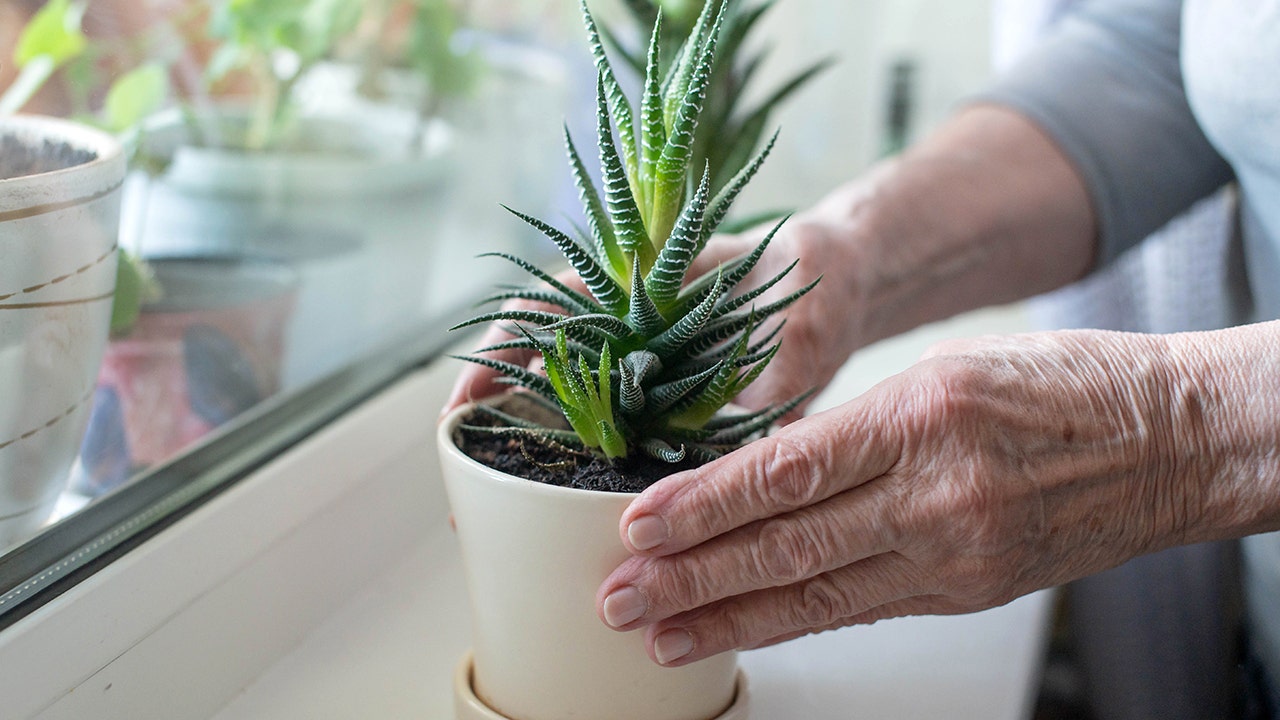
Source: Fox News
Summary
A recent study published in Current Pharmaceutical Analysis suggests that a compound found in aloe vera, Beta sitosterol, may have potential in managing Alzheimer’s disease by inhibiting enzymes that break down the chemical messenger acetylcholine. The researchers used computer simulations to study the process and predict how molecules behave inside the body. The compound was shown to be well-absorbed by the body and unlikely to be toxic at therapeutic levels. However, the study is still in its early stages and further testing in lab experiments and clinical trials will be needed to confirm the efficacy of such a drug.
Our Reading
The advice sounds familiar. Research on Alzheimer’s disease has been ongoing for years, and various studies have explored different approaches to managing the condition. This latest study on aloe vera is just one example of the many potential treatments being investigated. The use of computer simulations to study the behavior of molecules is a common practice in medical research. The fact that the compound Beta sitosterol was shown to be well-absorbed by the body and unlikely to be toxic at therapeutic levels is a promising finding, but it’s essential to note that the study is still in its early stages. Further testing will be needed to confirm the efficacy of such a drug. The Alzheimer’s Association emphasizes that there are many treatments in various stages of development, and those with concerns about cognitive symptoms should talk to a doctor.
The search for a cure for Alzheimer’s disease continues, and it’s not uncommon for new studies to emerge with promising findings. However, it’s essential to approach these findings with caution and recognize that the journey from lab experiments to clinical trials and eventually to a marketable drug is long and complex.
Author: Evan Null
